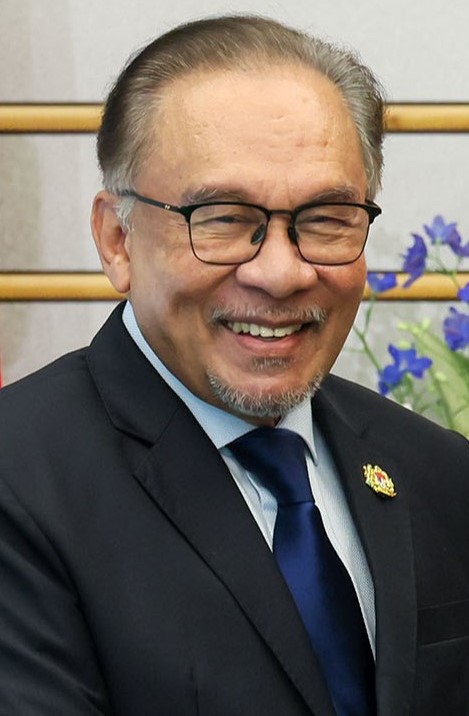
Umno executive secretary Datuk Mohd Sumali Reduan will make his electoral debut in Benut, having been chosen by the Johor Barisan Nasional as its representative for the state constituency in the forthcoming election.
The appointment marks an entry into electoral politics for Reduan, whose previous experience has been concentrated within party administrative structures. His selection underscores Umno's strategy of leveraging experienced internal operatives to strengthen its position in crucial constituencies across Johor, Malaysia's most populous swing state in recent electoral cycles.
Benut, situated in the Johor electoral landscape, represents a significant battleground for the ruling coalition. The state has emerged as increasingly competitive, with Pakatan Harapan strengthening its appeal particularly among urban and younger voters over the past two election cycles. Umno's decision to field an established party figure suggests recognition of the seat's importance and the need to deploy seasoned organisational talent.
Sumali Reduan's background in executive administration at party headquarters indicates his familiarity with campaign machinery and grassroots coordination networks. Such internal experience, while valuable for campaign organisation, does not necessarily guarantee electoral success in an environment where voters increasingly prioritise local issues and direct engagement with candidates regardless of party machinery.
The Johor Barisan Nasional coalition continues to adjust its candidate slate across the state's constituencies, balancing incumbency retention, factional considerations within Umno, and strategic calculations about winnable seats. Each candidacy selection reflects internal negotiations and assessments of local political dynamics that may not align with external public perception of seat competitiveness.
For Benut residents, Reduan's candidacy presents an opportunity to evaluate a representative without prior electoral record. First-time candidates can offer fresh perspectives and commitment to grassroots engagement, though they lack the established networks and constituent service record that incumbent candidates may leverage. Voters will assess whether his party credentials and administrative experience translate effectively to constituency-level representation.
The broader context of Johor politics remains fluid, with economic concerns, education policy, and infrastructure development dominating local discourse. Umno's reliance on established party figures rather than local personalities potentially risks disconnection from ground-level concerns, particularly in constituencies experiencing rapid demographic change or urban expansion.
This candidacy announcement forms part of the wider Barisan Nasional electoral machinery activation ahead of the state election. The coalition's performance in Johor carries significance beyond the state itself, as results typically influence perceptions about broader coalition viability nationally and may shape dynamics for future general elections.
Sumali Reduan's entry into electoral politics through the Benut constituency reflects Umno's ongoing process of regenerating its candidate base while maintaining institutional continuity. Whether his administrative expertise and party experience will prove sufficient to retain or capture the seat depends significantly on campaign effectiveness, local issue engagement, and the broader electoral environment during polling period.