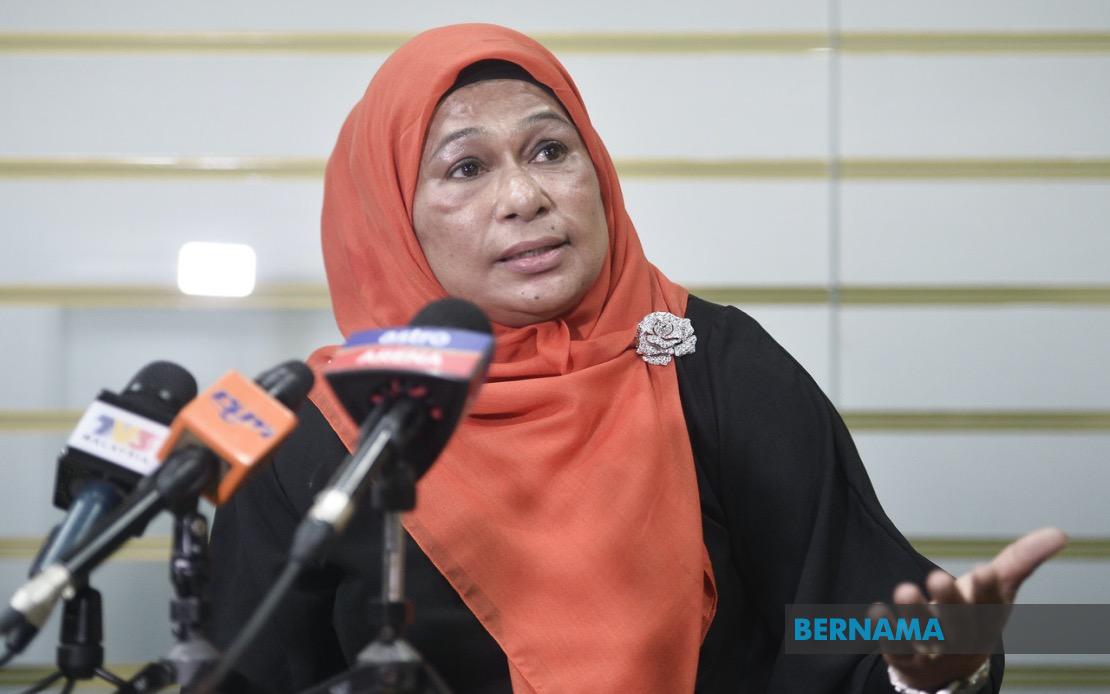
Universiti Malaysia Terengganu has emerged successful in a competitive international funding round, securing RM3.9 million to undertake an ambitious mangrove restoration initiative spanning three years. The award represents a significant investment in environmental conservation research within Malaysia, with funding channelled through the Global Centre on Biodiversity for Climate, a body supported by the United Kingdom's Department for Environment, Food and Rural Affairs. The research team comprises Associate Prof Dr Behara Satyanarayana, based at the university's Institute of Oceanography and Environment, and Dr Giovanna Wolswijk from the Faculty of Marine Science and Environment.
The restoration project, formally titled REVIVE: Just Restoration and Equitable Value Chains for Inclusive, Viable Mangrove Ecosystems: The Case of Malaysia, will commence in July 2026 and run through June 2029. This timeframe allows for comprehensive baseline assessments, implementation of restoration techniques, and longitudinal monitoring of outcomes. The geographic scope encompasses critical mangrove zones across three Malaysian states: the Matang Mangrove Forest Reserve in Perak, the Sungai Acheh and Sungai Chenaam estuaries in Penang, and the Setiu Wetlands in Terengganu. These locations represent diverse mangrove ecosystems with varying ecological characteristics and community dependencies, providing an ideal testing ground for developing scalable restoration models.
Mangrove forests occupy a unique position within coastal environments, functioning simultaneously as ecological treasures and economic lifelines. Beyond their visual appeal, these resilient ecosystems deliver multifaceted environmental services that extend far beyond their immediate geographic footprint. They serve as critical barriers against coastal erosion and storm surge, particularly vital given Malaysia's exposure to seasonal monsoons and the increasing threats posed by climate change-related sea level rise. Additionally, mangroves act as exceptional carbon sinks, sequestering carbon in their soils and biomass—what marine scientists term blue carbon—thereby contributing meaningfully to climate change mitigation efforts at both national and global scales.
The economic dimension of mangrove conservation presents equally compelling arguments for intervention. Thousands of Malaysians, predominantly from lower-income coastal communities, depend directly or indirectly on mangrove-based livelihoods. These range from artisanal fishing and aquaculture operations to honey production, charcoal manufacturing, and traditional medicine harvesting. However, many of these communities exist within fragile economic structures characterised by exploitative value chains, limited market access, and vulnerability to environmental degradation. The research project explicitly targets this intersection between ecological restoration and economic justice, recognising that sustainable conservation requires alignment with community prosperity.
The scientific framework underpinning this initiative addresses multiple layers of mangrove ecosystem dynamics. Researchers will conduct comprehensive blue carbon mapping to quantify carbon sequestration potential and identify priority restoration zones where carbon benefits would be maximised. Parallel ecosystem health assessments will establish baseline conditions across the selected sites, measuring biodiversity, water quality, sediment dynamics, and other biophysical parameters. The team will then pilot and evaluate specific habitat restoration measures, such as replanting initiatives, hydrological restoration, and invasive species management. Simultaneously, they will investigate persistent ecological challenges including mangrove degradation patterns, sand deposition processes that alter coastal morphology, and the sustainability trajectory of mangrove-dependent industries.
A distinguishing feature of this research architecture is its foundational emphasis on community participation and co-production of knowledge. Rather than positioning local stakeholders as passive beneficiaries of top-down restoration efforts, the project design mandates active community involvement throughout all implementation phases. This approach recognises that indigenous and local knowledge systems often contain valuable insights about mangrove ecology and sustainable resource management practices developed across generations. Conversely, sustained conservation outcomes typically depend on community buy-in and stewardship, making genuine partnership not merely ethically preferable but pragmatically essential.
The restoration model emerging from this research carries implications extending well beyond the immediate project sites. Malaysia's mangrove coverage has declined significantly over recent decades, driven by aquaculture conversion, urban development, and agricultural expansion. Similar pressures affect mangrove ecosystems throughout Southeast Asia, where the region houses approximately one-third of global mangrove forests. Development of a replicable restoration framework incorporating both ecological and socioeconomic dimensions could provide valuable guidance for neighbouring nations and international conservation initiatives. The emphasis on equitable value chains addresses a persistent gap in conservation practice, where ecosystem restoration has sometimes proceeded without tangible economic benefits accruing to dependent communities.
From a policy perspective, this research addresses growing recognition within Malaysian government circles that environmental conservation and economic development need not constitute opposing imperatives. The funding award signals international confidence in Malaysian research capacity and suggests growing donor interest in climate-related projects within the region. For Universiti Malaysia Terengganu specifically, the grant validates institutional strengths in marine science and positions the university as a credible research partner for major international initiatives. This recognition can facilitate future collaboration opportunities and strengthen Malaysia's positioning within global environmental research networks.
The three-year implementation window presents both opportunities and challenges. The timeframe allows sufficient duration for meaningful ecosystem recovery and community engagement processes to mature, yet remains bounded enough to maintain research momentum and donor accountability. Researchers must balance comprehensive scientific investigation with practical restoration activities, ensuring that field-based work generates transferable insights rather than remaining site-specific exercises. Documentation of methodologies, outcomes, and lessons learned will be critical for maximising the project's broader impact beyond the three designated geographic areas.
Looking ahead, successful completion of this initiative could catalyse expanded mangrove conservation efforts within Malaysia and the broader Southeast Asian region. The integration of restoration ecology, blue carbon science, community development, and value chain analysis into a unified framework addresses multiple sustainability dimensions simultaneously. For coastal communities currently managing the difficult balance between environmental stewardship and economic survival, the research offers potential pathways toward development models that strengthen rather than compromise ecological integrity. The RM3.9 million investment thus represents not merely a research expenditure but a strategic commitment to developing conservation approaches suited to Malaysia's particular ecological and socioeconomic contexts.

