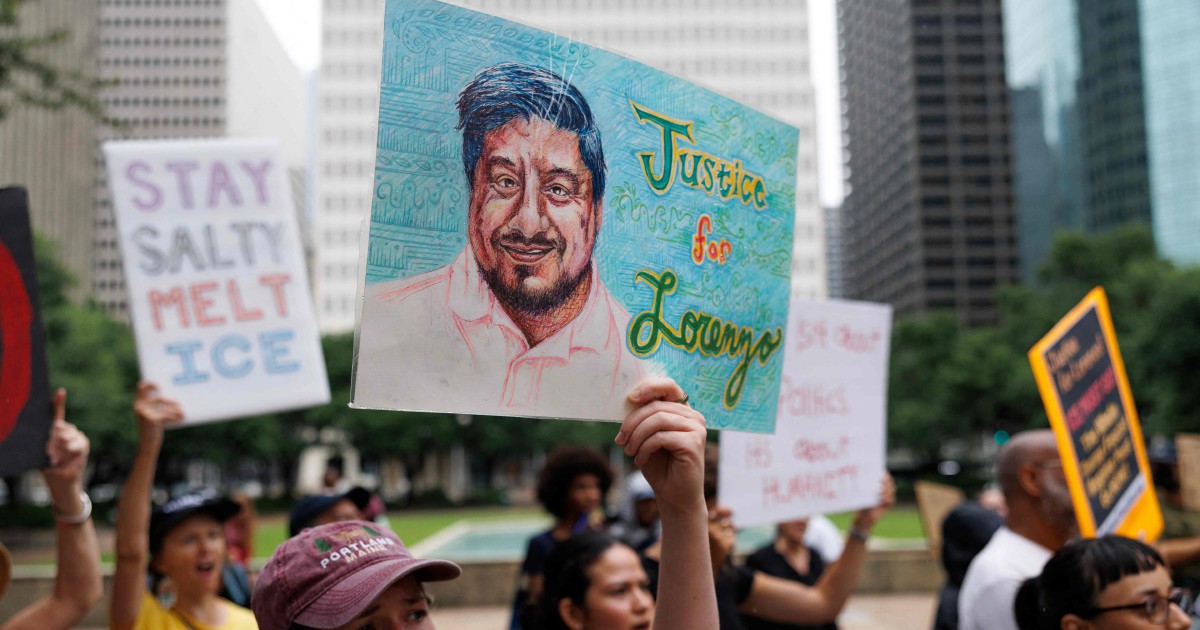
A panel of United Nations human rights specialists has called for rigorous, independent investigations into reports that security forces or government agencies disrupted demonstrations organised to highlight Mexico's ongoing crisis of enforced disappearances during the recent football World Cup. The experts' intervention, made public on Saturday, underscores growing international concern about restrictions on freedom of assembly and expression in Mexico, a country where thousands remain missing under disputed circumstances.
The timing of these alleged incidents—coinciding with Mexico's hosting of major international sporting events—raises concerns about authorities prioritising the nation's global image over protecting citizens' fundamental rights to protest and petition their government. According to observers on the ground, several demonstrations drawing attention to missing persons were either prevented from proceeding as planned or subjected to what witnesses characterised as intimidating police presence. Such accounts have prompted UN specialists in human rights to demand clarity on what actually transpired and whether governmental actors were responsible.
Mexico's disappearances represent one of the Western Hemisphere's most pressing humanitarian emergencies. Thousands of individuals—estimates vary, but government records acknowledge over 100,000 cases—have vanished under circumstances that frequently implicate organised crime, corrupt officials, or a combination of both. Families of the disappeared have become increasingly vocal in recent years, organising searches in remote areas and demanding governmental accountability. These movements constitute essential expressions of democratic dissent and grief, yet activists report facing obstacles from state agents.
The UN experts' position carries symbolic weight, though enforcement mechanisms remain limited. Their calls for investigation represent a formal rebuke of alleged misconduct and add diplomatic pressure on Mexican authorities to demonstrate commitment to upholding international human rights standards. The intervention also signals to Mexican civil society organisations that their concerns resonate beyond national borders, potentially encouraging continued activism despite perceived risks.
For Southeast Asian observers, Mexico's situation offers instructive parallels and contrasts. While enforced disappearances remain concerns in certain regional contexts, the scale of Mexico's crisis exceeds documented cases in most ASEAN nations. However, the broader pattern—marginalisation of activists seeking accountability for state actions, restrictions during major international events, security force interference with lawful assembly—mirrors challenges that human rights groups have documented across various countries. The UN's responsiveness to Mexican activists' complaints suggests international mechanisms might similarly be engaged when comparable situations arise elsewhere.
Mexico's government has previously defended its record on disappearances, pointing to investigative commissions established to locate missing persons and prosecute perpetrators. Officials have acknowledged the gravity of the problem while attributing many cases to criminal violence rather than state action. However, civil society organisations and international monitors argue that governmental negligence, complicity, or inadequate protection of citizens remain substantial contributing factors. The alleged interference with World Cup-era protests suggests, to critics, insufficient official commitment to enabling rather than obstructing accountability mechanisms.
The World Cup's presence in Mexico during a period of heightened activist visibility probably amplified tensions. International sporting events attract global media attention, making them opportune moments for civil society to amplify messages about domestic crises. Governments hosting such events often prioritise security and controlled messaging, sometimes at the expense of space for dissent. The UN experts' intervention specifically noted this dynamic, emphasising that international obligations to protect freedom of assembly apply regardless of competing governmental interests in presenting a particular national image.
For Malaysian readers, the situation illustrates how authoritarian impulses to control narratives during major international occasions can conflict with foundational democratic freedoms. Malaysia itself has hosted major events and continues to balance governance, security, and expression rights. The UN's position—that fundamental freedoms including assembly cannot be suspended even during high-profile international moments—reflects global consensus that transcends regional differences. This principle applies equally across countries at varying stages of democratic development.
The investigations demanded by UN experts would presumably examine whether security forces unlawfully prevented demonstrations, subjected protesters to disproportionate surveillance or intimidation, or made arbitrary arrests targeting activism. Findings might inform whether Mexico faces international sanctions or reputational consequences, though practical remedies remain limited. More importantly, the scrutiny encourages transparency and potentially deters future restrictions on assembly by subjecting government behaviour to external review.
Moving forward, the cases of the disappeared remain unresolved, and families continue seeking answers. The UN's advocacy for investigative access and freedom of protest creates, theoretically, more favourable conditions for activism and accountability efforts. However, implementation depends on Mexican authorities' willingness to respect international recommendations and on sustained international attention. Civil society organisations, both Mexican and international, will likely remain engaged in monitoring whether allegations of interference persist.
The episode ultimately demonstrates how major international events can become flashpoints where state restrictions on freedom clash with citizens' rights to seek justice. The UN's response affirms that such conflicts should be resolved in favour of protecting dissent, particularly when citizens advocate for the vulnerable and disappeared. This principle carries implications for how host countries approach major tournaments, summits, and sporting events globally, including those planned for Southeast Asia in coming years.

