The United Nations' highest-ranking diplomat has issued a stark warning to Iran and the United States, demanding an immediate cessation of military activities in the volatile Persian Gulf region. Addressing the escalating cycle of confrontation during remarks made in Istanbul on Sunday, UN Secretary-General Antonio Guterres articulated deep concern over the deteriorating security environment that has characterised recent weeks, calling on both nations to abandon the path of military action in favour of sustained diplomatic engagement.
Guterres' intervention comes as the Gulf region faces a heightened risk of broader conflict, with multiple layers of military provocation complicating efforts to restore stability. His spokesperson Stephane Dujarric outlined the specific incidents driving the Secretary-General's alarm, citing Iranian attacks targeting commercial shipping in the Strait of Hormuz, retaliatory strikes by the United States against Iranian positions, and Iranian military operations directed at objectives in neighbouring countries throughout the region.
The UN chief's position reflects the organisation's deep anxiety about the trajectory of Iran-US relations, which have deteriorated markedly despite international hopes for diplomatic resolution. By characterising the situation as one demanding "maximum restraint" from all parties, Guterres sought to appeal to both Tehran and Washington to step back from the brink of further military engagement. His call represents the United Nations' traditional role as mediator and voice for international stability during periods of rising geopolitical tension.
The Secretary-General made particular emphasis on the catastrophic spillover effects that full-scale conflict could unleash across the international system. Beyond the immediate humanitarian toll on populations living in the Gulf and surrounding regions, a return to sustained hostilities would inflict severe damage on global economic structures and undermine the international security architecture that has, however imperfectly, managed to prevent broader wars. This economic dimension carries particular significance for Malaysia and Southeast Asia, both as trading nations dependent on stable energy supplies and maritime commerce.
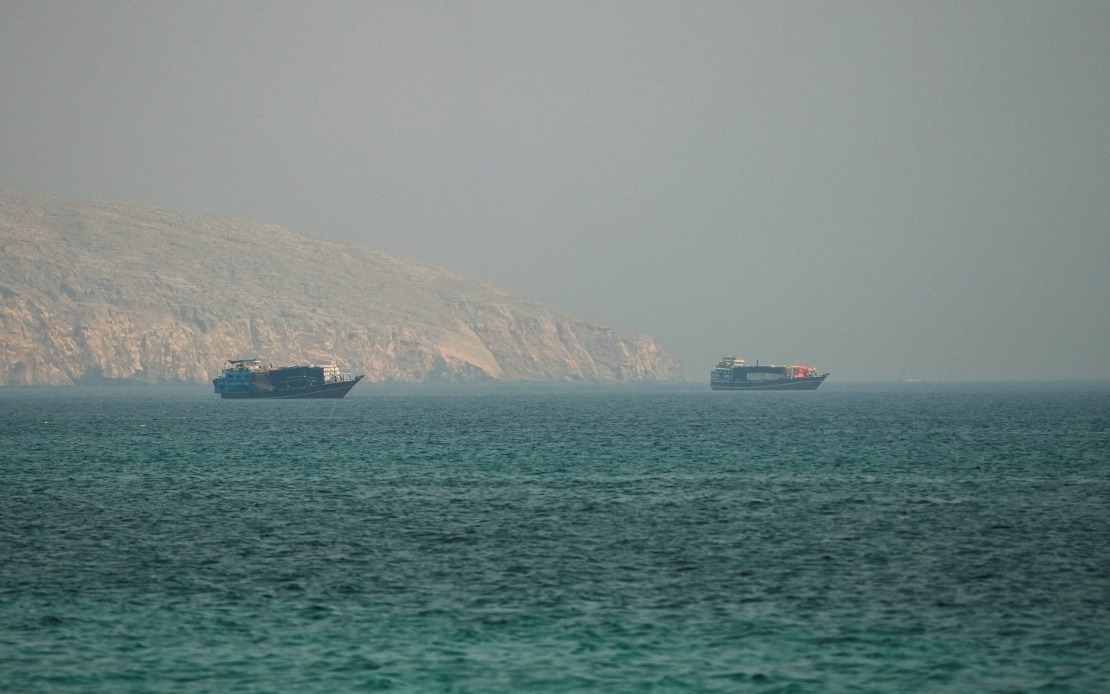
The Strait of Hormuz occupies outsized importance in global shipping and energy markets, serving as the conduit through which approximately one-third of the world's seaborne oil transits annually. Any disruption to navigation through this critical waterway reverberates across global fuel prices and supply chains, affecting economies from Asia to Europe. Guterres accordingly stressed the imperative to maintain unrestricted freedom of passage through these waters, recognising that economic vulnerability to regional conflict extends far beyond the Gulf's immediate periphery.
For Malaysian policymakers and business leaders, the stakes in this Iran-US standoff carry practical implications. The region's instability threatens the maritime security underpinning Southeast Asian trade flows and directly impacts energy costs for the region's manufacturing and transportation sectors. The ongoing confrontation creates uncertainty that ripples through global markets, affecting commodity prices, shipping insurance premiums, and investment confidence in regional economies dependent on international commerce.
Guterres' call for negotiations reflects the UN's assessment that military escalation has reached a point where diplomatic off-ramps remain viable, though narrowing. The Secretary-General essentially argued that both capitals retain the capacity to reverse course, provided political will materialises on each side to pursue dialogue over confrontation. His framing implicitly acknowledges that military measures by either party, however tactically justified in respective national security frameworks, compound mutual insecurity and create incentives for further escalation.
The diplomatic appeal carries particular weight given the UN's institutional mandate to prevent conflicts and resolve disputes through peaceful means. By issuing this warning personally rather than allowing it to filter through bureaucratic channels, Guterres signalled the severity with which the organisation views the situation. This direct intervention also positions the UN as available for mediation should either party signal openness to facilitated dialogue.
The practical challenge facing both Iran and the United States involves finding negotiating positions that address core security concerns on each side while allowing both to claim vindication of their stated objectives. Previous multilateral diplomatic frameworks, including the now-strained Joint Comprehensive Plan of Action, demonstrate that structured negotiations can yield agreements acceptable to multiple stakeholders despite significant initial divergences. Whether current circumstances permit revival of such mechanisms remains uncertain, but the absence of diplomatic progress virtually guarantees continued military manoeuvring and risk of unintended escalation.
For the broader international community, including Southeast Asian nations navigating between great-power competition, the Gulf crisis exemplifies the vulnerability of rules-based systems to bilateral disputes that military logic appears to favour. The region's dependence on energy imports and maritime commerce means that any sustained Iranian-American conflict directly affects Asian prosperity and stability, creating compelling reasons for countries throughout Southeast Asia and beyond to support intensive international mediation efforts.
Guterres' message ultimately reflects a conviction that the current trajectory, if unchecked, leads toward outcomes satisfying no party and damaging all stakeholders. By appealing simultaneously to both Iran and the United States for restraint and negotiation, the Secretary-General positioned the UN as voice for the broader international interest in regional stability and global economic continuity. Whether this appeal gains traction with decision-makers in Tehran and Washington will significantly influence whether the Gulf region experiences further militarisation or a return toward diplomatic resolution of underlying disputes.

