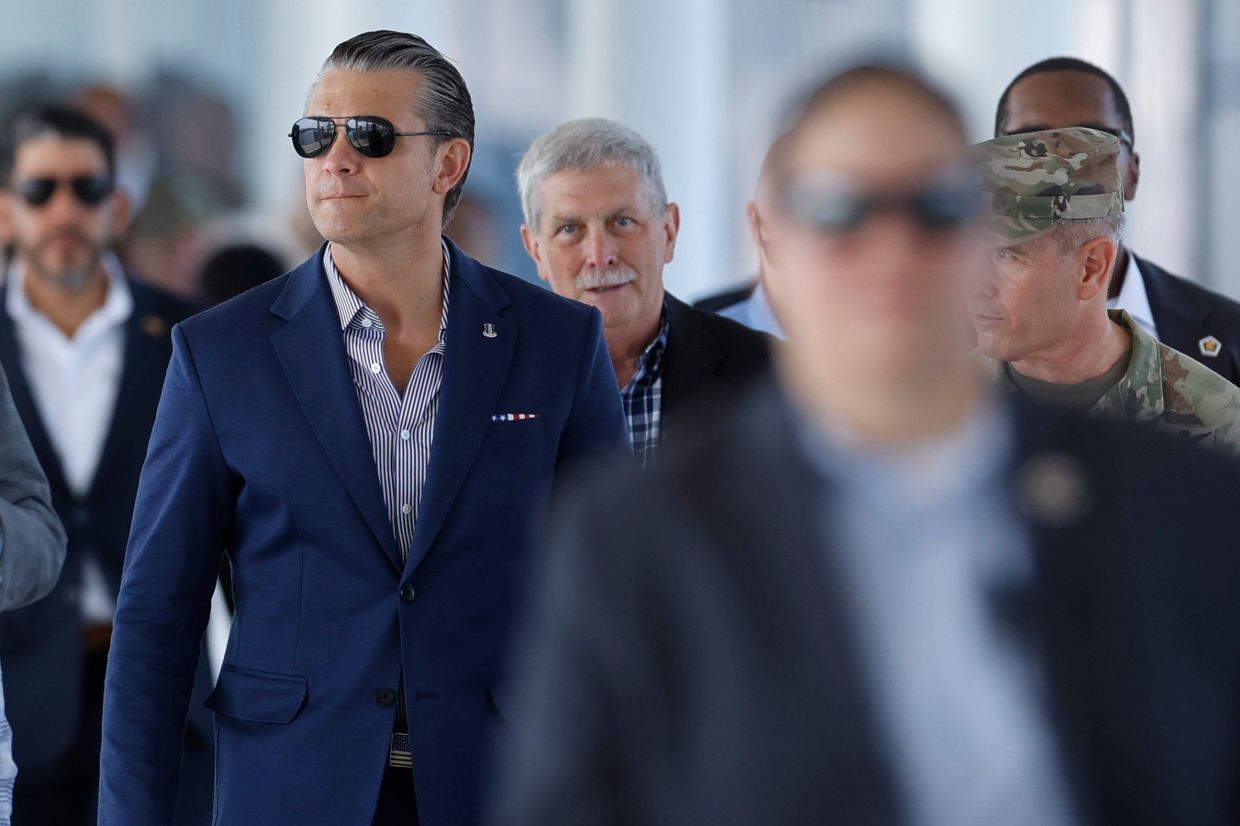
Mounting uncertainty surrounding US Defence Secretary Pete Hegseth's political survival threatens to disrupt a carefully constructed improvement in military relations between Washington and Beijing, according to senior officials and China experts familiar with the delicate engagement. Anonymous sources with knowledge of Pentagon dynamics indicated that Hegseth stands precariously close to losing his position, citing an intractable standoff over Iran policy alongside persistent negative media coverage that has weakened his standing within the administration. The timing could hardly be more sensitive, coming as the two superpowers work to stabilise defence interactions that had deteriorated significantly under previous administrations.
The thaw in US-China military ties represents a remarkable shift from recent years of escalating tensions and strategic competition. One defence official described the current state of relations as the strongest in over a decade, a characterisation that reflects genuine progress in military-to-military contacts occurring at virtually every organisational level since Trump began his second term. This improvement emerged following the President's May visit to Beijing, where conversations between Trump and President Xi Jinping centred on building what both leaders termed a constructive relationship with implications extending into the defence establishment. Weeks after that summit, Hegseth himself characterised the military relationship as having reached levels not seen "in many years", underscoring his own investment in maintaining the improving trajectory.
Recent diplomatic activities illustrate the substance behind these characterisations. A significant meeting occurred last month in Washington between senior US officials and Chinese Vice-Minister for Foreign Affairs Ma Zhaoxu, representing the kind of senior-level engagement that typically signals genuine commitment to dialogue. Alvaro Smith, serving as deputy assistant defence secretary for China, Taiwan and Mongolia, publicly stated that under Hegseth's stewardship, the Pentagon was "actively repairing a once-broken military-to-military channel and making clear, steady progress." These comments, released through official Pentagon channels, reflected not merely diplomatic pleasantries but substantive work on rebuilding communication infrastructure that had atrophied during years of strategic rivalry.
The implications of Hegseth's possible departure extend beyond simple leadership transition. Zhao Minghao, professor at Fudan University's Institute of International Studies, suggested that Trump might require a high-profile resignation to deflect responsibility for ongoing complications with Iran policy, a possibility that gains plausibility when viewed against the historical pattern of cabinet reshuffles preceding US midterm elections. Zhao specifically highlighted Hegseth's previous encounters with his Chinese counterpart Defence Minister Dong Jun, including significant meetings held in Malaysia and during the Beijing visit, noting that such personal relationships represent essential elements of institutional continuity. Any replacement would require establishing rapport anew, consuming valuable time and creating potential for misunderstandings during a period when both nations have prioritised military stability.
Yet the potential disruption may prove less severe than initial concerns suggest. US sources indicated that Hegseth's exit would not necessarily derail the developing military relationship, particularly if his successor maintains similar strategic orientation. Discussion has emerged regarding Colby, an official involved in last month's Washington meeting with Ma and who has earned evident respect from Chinese counterparts. Chinese officials appeared particularly impressed by Colby's stated position that Taiwan does not constitute a vital existential interest for the United States, a formulation that, while consistent with longstanding American policy, suggested willingness to prioritise broader stability considerations.
The Taiwan question remains perhaps the most sensitive element in US-China relations, with Beijing maintaining its claim to the self-ruled island while never renouncing potential use of force to achieve reunification. The United States maintains its peculiar diplomatic position of not recognising Taiwan as independent while simultaneously being legally obligated to supply defensive weapons and remaining opposed to any forceful takeover attempt. This delicate balance requires careful management and sustained military-to-military communication to prevent miscalculation. Some sources suggested that military-to-military engagement would likely continue largely uninterrupted unless Hegseth's replacement represented a decided China hawk orientation—a scenario that, given Trump's stated preference for constructive relations, appears less probable.
The broader strategic context for current US-China military engagement reflects Trump and Xi's agreement to build relations grounded in what both characterised as "strategic stability." This formulation carries particular significance for defence establishments, implying not merely diplomatic niceties but practical commitments to maintaining working channels and dialogue even amid underlying competition. Working-level military talks have resumed, a development Zhao attributed partly to this foundational agreement and partly to growing recognition that such exchanges serve mutual interests. The anticipated visit by Xi to Washington in coming months, representing his first state visit since 2015, will likely feature military-to-military relations prominently on the bilateral agenda, with both sides apparently committed to demonstrating tangible progress.
If Colby maintains presence at the Pentagon in a senior capacity, Zhao suggested that continuity in military exchanges would persist, allowing momentum to build toward Xi's Washington visit. The professor emphasised that military engagement operates according to its own institutional logic and requires sustained engagement at multiple working levels to remain functional. Even amid broader political turbulence, these established channels provide some insulation against sudden shifts in policy direction. The Chinese side has apparently invested significant diplomatic capital in current improved relations and appears motivated to preserve them through potential American leadership changes.
For Southeast Asian observers and policymakers, the implications warrant close attention. Military stability between the two powers directly affects regional security, with implications for freedom of navigation, bilateral relationships, and the architecture of regional engagement. Malaysia and neighbouring states benefit from periods when Washington and Beijing prioritise communication over confrontation, reducing pressures on regional actors to choose sides or navigate heightened strategic tension. The uncertain future of Pentagon leadership thus represents more than an internal American political matter; it carries consequences for the regional balance and the institutional relationships that undergird contemporary Southeast Asian security architecture. How the coming weeks unfold regarding Hegseth's tenure will signal whether current improvements in US-China military relations rest on sufficiently solid institutional foundations to withstand leadership transitions, or whether progress remains contingent on specific personalities and remains vulnerable to political disruption.

