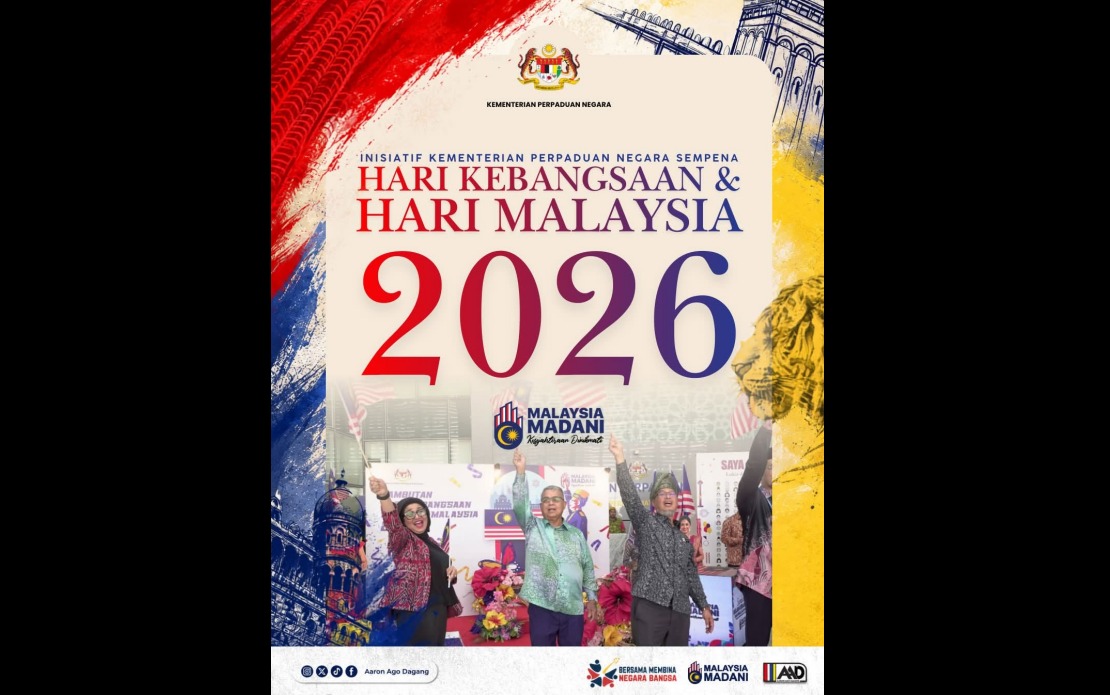
The National Unity Ministry has announced an ambitious slate of 11 programmes designed to mark the 2026 National Day and Malaysia Day celebrations through events centred on nationhood, heritage and historical remembrance. Minister Datuk Aaron Ago Dagang unveiled the initiative in a statement from Putrajaya, emphasising the government's commitment to using these occasions as platforms for deepening national pride and reinforcing bonds across Malaysia's multicultural population.
The breadth of the planned activities reflects a deliberate strategy to engage citizens across multiple dimensions of national identity. Beyond traditional flag-raising ceremonies and parades that typically accompany these dates, the ministry is curating experiences designed to educate younger generations about Malaysia's journey to independence while celebrating the nation's present-day achievements. This approach acknowledges that patriotism and social cohesion require more than symbolic gestures; they demand active participation and emotional investment from the public.
Among the cornerstone initiatives is the 2026 National Unity Integration Movement, which will serve as an overarching framework connecting the various programmes. This is complemented by Malaysia's Merdeka Children Celebration, a dedicated event targeting young Malaysians who will inherit the responsibility of preserving national unity. The inclusion of child-focused programming suggests the ministry recognises that cultivating patriotic sentiment must begin early, embedding values of national pride and intercommunal respect in formative years.
Historical remembrance forms another pillar of the strategy. An Exhibition on Independence will examine the circumstances and personalities that shaped Malaysia's path to sovereignty, while a dedicated programme honouring Tun Abdul Razak acknowledges the founding father's pivotal role in establishing the nation. These initiatives serve dual purposes: they commemorate figures and events central to Malaysia's narrative, and they provide teachable moments about the constitutional frameworks, particularly the Rukun Negara, that underpin the nation's social contract.
The Pesta Bola Merdeka Exhibition demonstrates the ministry's recognition that national identity is not purely formal or academic. Sports carry deep cultural significance across Southeast Asia, and by incorporating this element, the ministry taps into grassroots enthusiasm and national pride centred on athletic achievement. Similarly, the Night at the Museum programme attempts to make historical learning more accessible and engaging, transforming museums from quiet repositories into dynamic spaces where visitors can encounter their heritage in immersive settings.
The Rukun Negara Oratory Competition represents an innovative element designed to encourage articulate advocacy for national principles among Malaysia's youth. Public speaking competitions have long served as platforms for developing critical thinking and persuasive communication; by anchoring this competition specifically around the Rukun Negara—the five principles of belief in God, loyalty to the King, upholding the Constitution, rule of law, and good conduct and morality—the ministry creates an incentive for young Malaysians to deeply engage with the philosophical foundations of their nation.
Minister Ago Dagang's framing of these initiatives emphasises their alignment with broader nation-building ambitions. He articulated that the programmes aim to strengthen national identity, foster a sense of belonging, and cultivate genuine affection for Malaysia, while simultaneously celebrating the nation's ethnic, religious, cultural and geographical diversity. This is a delicate balance; the messaging must convince citizens that patriotism and pluralism reinforce rather than contradict one another.
For Malaysian readers, these announcements carry particular relevance given ongoing conversations about national unity. The country has periodically experienced tensions around identity, belonging and representation. By launching these initiatives well in advance of 2026, the ministry signals that strengthening unity is not a reactive response to immediate crises but a sustained strategic priority requiring long-term planning and resource commitment. The scale and variety of offerings suggest an institutional recognition that different demographic groups require different entry points to engage with national narratives.
The regional context matters as well. Across Southeast Asia, national governments increasingly recognise that maintaining social cohesion in diverse societies demands intentional programming and public investment. Malaysia's approach—combining educational, cultural, sporting and competitive elements—offers a model that other nations with similar demographic compositions might study. The success or challenges encountered during these 2026 celebrations could shape how policymakers throughout the region approach nation-building in the years ahead.
The National Unity Ministry's commitment to providing further information through its social media channels reflects contemporary communication strategies. By leveraging digital platforms rather than relying solely on traditional government announcements, the ministry demonstrates awareness that engaging younger citizens requires meeting them in spaces where they already congregate online. This distributional strategy suggests the programmes are designed with inclusivity and accessibility as core principles.
Implementation will prove crucial. Announcements of initiatives, no matter how well-intentioned, succeed only when backed by adequate funding, skilled execution and genuine community buy-in. The ministry will need to ensure that these programmes reach beyond urban centres and engaged demographics to touch Malaysians across geographical regions and socioeconomic backgrounds. The degree to which these 11 initiatives connect with ordinary citizens' lives and aspirations will ultimately determine whether they contribute meaningfully to the ministry's stated objectives of unity, patriotism and national pride. The months ahead will reveal whether the framework translates from ministry planning documents into tangible experiences that resonate with the Malaysian public.

