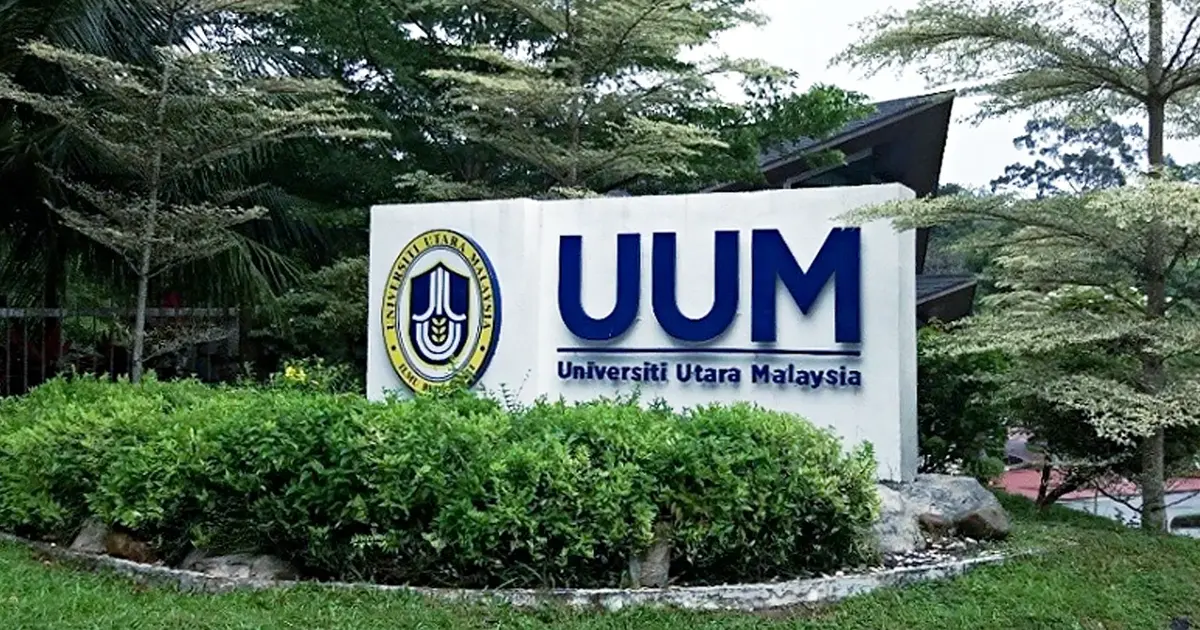
Universiti Utara Malaysia has emerged victorious in a significant property dispute, securing RM2.47 million in damages from a court judgment concerning the renovation and operational management of a commercial mall. The High Court's decision represents a substantial affirmation of the university's contractual position and management prerogatives over the contested asset, while simultaneously rejecting the defendant company's ambitious RM7.7 million counterclaim that sought to challenge the legitimacy of the institution's takeover.
The ruling provides important clarity on contractual obligations in Malaysia's commercial property sector, particularly regarding the standards expected of operators responsible for facility maintenance and management. The court's reasoning established that the university had acted squarely within its contractual rights when it assumed operational control of the property, effectively resolving lingering questions about the legality and propriety of the transition in management authority. This determination carries implications for how similar disputes between institutional landlords and property operators may be adjudicated in future litigation.
The damages awarded to Universiti Utara Malaysia reflect the financial impact of the renovation deficiencies and management shortcomings that characterised the defendant company's tenure. Rather than accepting the company's argument that it should be compensated for the transition, the court determined that the institution itself had suffered compensable losses stemming from inadequate upkeep and operational failures during the period in question. This outcome suggests the judge found the company's performance fell substantially short of contractual expectations and caused demonstrable harm.
For the university, the judgment vindicates its decision to take direct control of the mall's operations, a move that might have been contested or challenged through litigation by the previous operator. The dismissal of the counterclaim signals that the court found no merit to arguments that the university had breached agreements or acted improperly in assuming management authority. This reinforces institutional confidence in similar property management decisions going forward and provides a legal foundation for continued oversight.
The broader significance of this case extends beyond the immediate parties involved. In Malaysia's higher education sector, where universities increasingly manage auxiliary enterprises and commercial properties to generate revenue and support their missions, the ruling offers reassurance that courts will respect institutional prerogatives when contractual grounds support operational changes. Educational institutions managing student housing, cafeterias, bookstores, and retail properties will view this judgment as supportive of their ability to enforce standards and restructure arrangements when operators underperform.
For the property and facilities management industry, the decision underscores the importance of meeting renovation schedules and maintenance standards established in commercial contracts. Companies operating properties under management agreements cannot rely on counterclaims or disputes to deflect accountability for substandard performance. The judgment sends a clear message that facility operators bear genuine risk if they fail to meet contractual obligations, and institutional clients have recourse through the courts to recover damages resulting from negligent or inadequate management.
The RM2.47 million award, while substantial, represents a negotiated or calculated assessment of the actual losses suffered rather than a punitive measure, suggesting the court applied a measured approach to damages quantification. This measured stance may reflect the complexity of evaluating renovation defects and management failures in financial terms, or it may indicate that while the university's claims were valid, the full extent of damages sought exceeded what the evidence could support. Either interpretation suggests a carefully reasoned judgment rather than an arbitrary award.
Universiti Utara Malaysia's position in the academic landscape—as a major research and teaching institution with significant property holdings—means this judgment extends beyond a single commercial dispute. The university manages facilities, accommodations, and services that support thousands of students and staff members. The successful assertion of its contractual and management rights strengthens its ability to maintain standards across its entire portfolio of auxiliary services and commercial operations, ultimately benefiting the institution's core academic mission.
The dismissal of the RM7.7 million counterclaim deserves particular attention, as it demonstrates that the defendant company's attempt to frame itself as the aggrieved party found no traction with the court. Rather than viewing the management transition as wrongful or contractually problematic, the judge appears to have regarded it as a legitimate exercise of rights available to the property owner. This categorical rejection of the counterclaim—rather than a partial allowance—suggests the court found the company's position fundamentally unmeritorious.
The implications for similar disputes pending in Malaysian commercial courts are considerable. Property owners and institutional clients seeking to recover damages from underperforming operators now have a precedent suggesting that courts will examine actual contractual compliance and hold operators accountable for demonstrable losses. Conversely, operators facing similar challenges should recognise that counterclaims alleging wrongful removal from property management contracts face a steep evidentiary burden unless the underlying contractual transition can be shown to be genuinely unauthorised or procedurally improper.
Looking forward, this judgment may encourage universities and other institutional property owners across Malaysia and the region to be more assertive in enforcing standards and replacing underperforming operators. The legal risk of such action—once a deterrent—has been diminished by the court's clear affirmation that contractual rights of takeover are enforceable and that aggrieved operators cannot easily obtain compensation through counterclaims.
For Universiti Utara Malaysia specifically, the RM2.47 million recovery provides tangible financial vindication of its management decisions and resources to address the very deficiencies that prompted the litigation. As the institution continues to develop its commercial property portfolio and auxiliary enterprises, this judgment serves as both a shield against operator resistance and a foundation for more rigorous standards across all managed facilities.