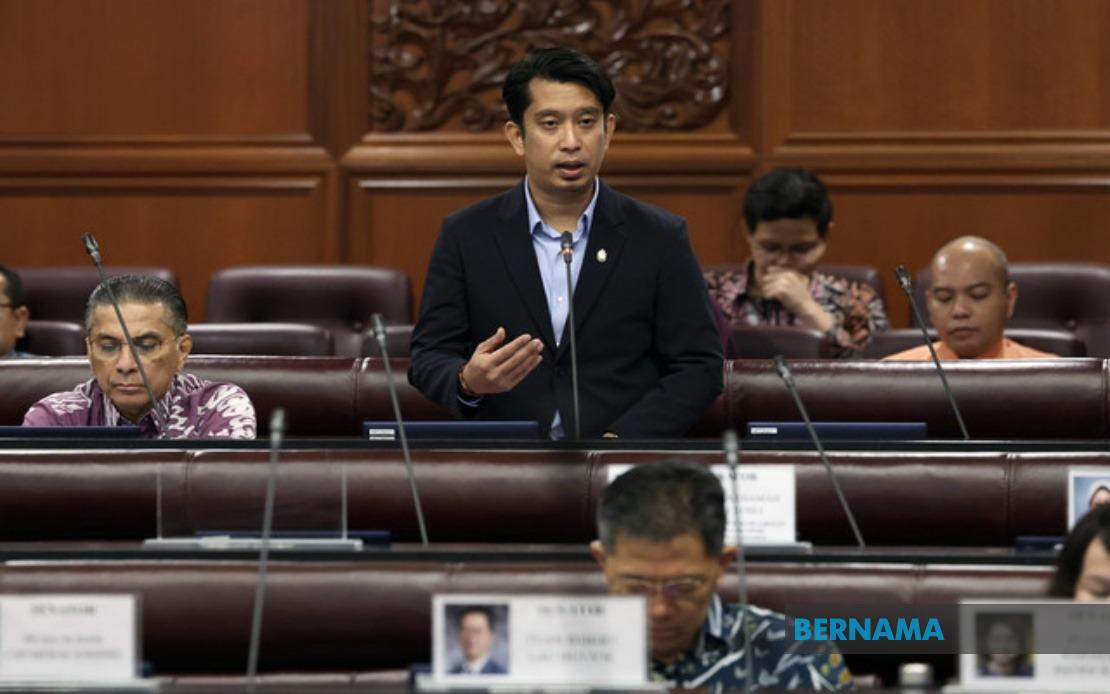
Malaysian universities have been given clear authority to terminate student internship placements and bring trainees back if safety hazards emerge, according to Deputy Higher Education Minister Adam Adli Abd Halim. Speaking during a question-and-answer session in the Dewan Negara on August 4, he outlined the regulatory framework allowing institutions to act swiftly when either their own assessments or student complaints signal danger. This affirmation comes amid heightened scrutiny of workplace safety standards following a tragedy that claimed the life of a Universiti Putra Malaysia (UPM) student during industrial training at Saujana 1 water tower in Kuala Selangor on June 16.
The statement reflects an evolving policy approach to student welfare during mandatory work-experience components of degree programmes across Malaysia's higher education sector. Adam Adli acknowledged the gravity of industrial training accidents, emphasising that the ministry remains committed to strengthening oversight mechanisms and reporting protocols. His remarks suggest a pivot toward more proactive intervention, contrasting with past approaches that may have been more reactive in nature. The ministerial response addresses broader concerns within university circles and among parents about whether existing safeguards adequately protect young workers who often lack workplace experience and may hesitate to report hazardous conditions.
Central to the enhanced framework is a requirement that universities conduct rigorous preliminary evaluations of host organisations before confirming student placements. These assessments must encompass an employer's safety track record, historical incident reports, and general industry standing. For sectors classified as high-risk, Adam Adli specified that placements will only proceed with companies demonstrating compliance with all relevant safety regulations and possessing documented, functional safety management systems. This tiered approach recognises that different industries present vastly different hazard profiles, from manufacturing and construction to hospitality and retail, and that one-size-fits-all standards would be inappropriate.
Students entering high-risk training environments must now complete accredited safety courses or acquire pertinent certifications prior to commencing their placements. This prerequisite training serves both practical and legal purposes: it equips trainees with foundational knowledge of hazard recognition and mitigation, while simultaneously establishing a documented record that the student received formal instruction. Such certification also shifts some responsibility toward the learner, creating accountability structures that extend beyond the university and employer relationship. The requirement aligns with international best practices and international labour standards concerning the protection of young workers.
Before entering any workplace, students are now required to participate in comprehensive briefing sessions and preparatory modules addressing workplace safety culture and protocols. These preparatory activities must cover workplace safety and health fundamentals, risk management principles, proper use of personal protective equipment, emergency response procedures, and established channels for reporting incidents or near-misses. By standardising this induction content across universities, the ministry aims to create a consistent baseline of knowledge among all student trainees, reducing the likelihood that gaps in understanding contribute to accidents. The briefing also serves an important documentation function, creating evidence that students were informed of hazards and reporting mechanisms.
Throughout the internship period itself, universities are tasked with maintaining dual oversight through both academic supervisors based on campus and industry-based mentors working at the host organisation. These supervisors conduct monitoring through physical visits to the worksite, virtual check-ins, systematic review of student progress reports, and ongoing communication with the trainee. This dual-supervision model theoretically ensures that safety concerns cannot be easily overlooked or concealed, as issues flagged by either supervisor trigger institutional response. The frequency and intensity of such monitoring likely varies depending on the risk profile of the workplace and the complexity of assigned tasks, though the minimum standards remain unspecified in the deputy minister's public statement.
Comprehensive insurance coverage represents another layer of protection within the reformed system. All students undertaking industrial training fall under the University Group Insurance Scheme, which provides financial protection should trainees suffer accidents or other adverse incidents during their placements. This insurance coverage addresses both immediate medical expenses and potential long-term disability or compensation claims. For families already contending with the emotional trauma of a workplace injury, such coverage eliminates the additional burden of navigating healthcare costs, though it cannot substitute for prevention of accidents in the first place.
The policy pronouncement emerges from genuine tragedy and escalating public concern about student safety. The death of the UPM student performing maintenance at a water tower facility highlights how industrial training, while educationally valuable, exposes young people to real occupational hazards. Water treatment facilities, electrical systems, and confined spaces rank among the most dangerous work environments, yet many universities operate relationships with such employers to provide authentic industrial experience. The challenge lies in balancing this pedagogical imperative against duty of care. Adam Adli's response indicates that Malaysian higher education leadership recognises this tension and is attempting to address it through enhanced governance rather than abandonment of work-integrated learning.
For Malaysian students and families, these measures represent a meaningful tightening of accountability and safety standards, though implementation quality will ultimately determine their effectiveness. Universities must now invest resources in conducting thorough employer vetting, arranging safety training, coordinating supervision, and establishing responsive escalation protocols. This creates administrative burdens that less-resourced institutions may struggle to manage uniformly. Regional universities and those serving lower-income student populations may face particular challenges in expanding their capacity for rigorous placement oversight, potentially creating unequal protection across Malaysia's diverse higher education landscape.
The broader Southeast Asian context adds urgency to these reforms. Across the region, industrial training programmes have expanded dramatically as economies emphasise skills-based employment pathways and work-integrated learning models. However, rapid expansion has often outpaced the development of protective regulatory frameworks, leaving student trainees vulnerable to exploitation and hazardous conditions. Malaysia's formalisation of withdrawal authority and enhanced safety requirements could establish a regional benchmark that influences policy in neighbouring countries grappling with similar challenges of balancing economic opportunity with worker protection.
Looking forward, the effectiveness of these reforms depends critically on enforcement mechanisms and institutional capacity. Universities must develop clear, transparent procedures for assessing employer safety compliance, communicating safety concerns, and executing timely withdrawal decisions without penalising students academically. Students themselves need accessible pathways to report hazards without fear of retaliation or academic consequences. Regular auditing of university compliance with the new requirements, independent verification of employer safety conditions, and transparent reporting of incidents will be essential to prevent these policies from becoming merely symbolic gestures.
The deputy minister's statement, while reassuring in its commitment to enhanced student protection, leaves several practical questions unanswered. How will universities identify and assess safety risks when employers may resist transparency about past incidents? What happens to a student's academic progress when a placement is terminated mid-semester? Will universities face liability if they fail to identify genuine hazards? These implementation details will determine whether the reformed framework meaningfully protects Malaysia's student population or merely creates an appearance of oversight while structural vulnerabilities persist.

