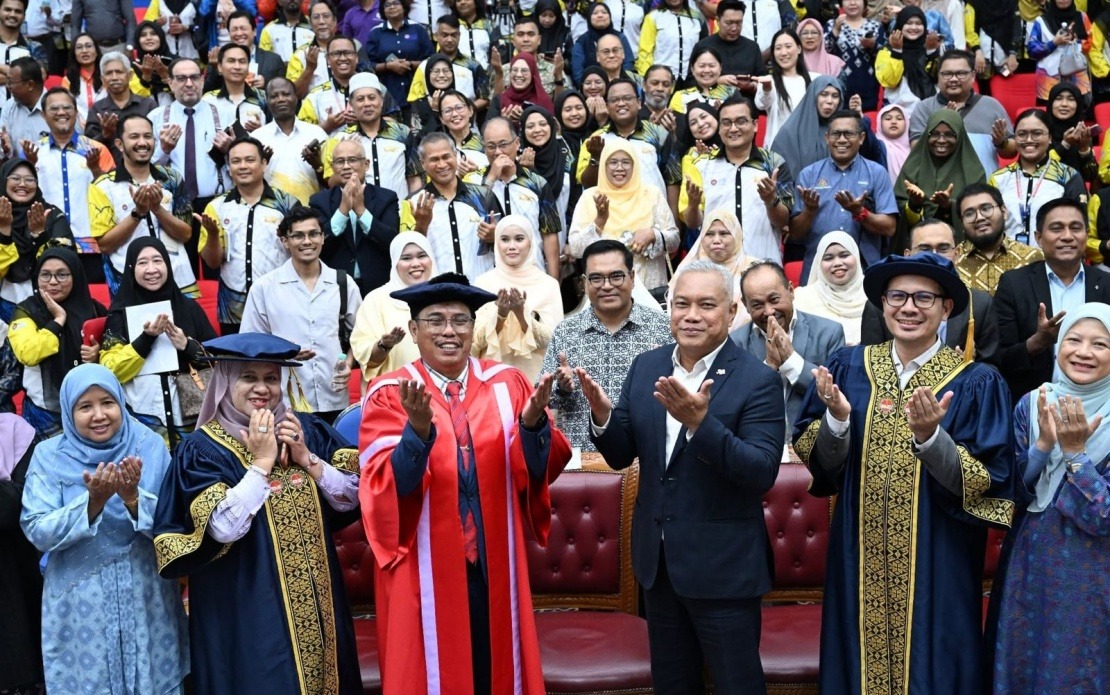
Universiti Pendidikan Sultan Idris (UPSI) is in preliminary discussions with private healthcare providers about establishing a specialist hospital facility in Tanjong Malim, reflecting the institution's ambitions to transform its surrounding area into a comprehensive knowledge city with world-class amenities. The vice-chancellor, Prof Datuk Dr Md Amin Md Taff, outlined the university's strategic intent during remarks at the Budiman Lecture Series held at the Main Auditorium, Sultan Abdul Jalil Shah UPSI Campus, signalling that healthcare infrastructure development has become a priority as the institution seeks to position itself competitively in the global higher education landscape.
The proposed facility would serve a dual purpose: addressing the immediate healthcare needs of UPSI's growing international student population and providing quality medical services to faculty and staff members. As Malaysian universities increasingly attract overseas students, ensuring access to reliable specialist healthcare has emerged as a competitive advantage. Many international prospective students factor healthcare quality into their decision to study abroad, making this initiative strategically important for UPSI's enrolment targets and institutional reputation, particularly in attracting students from Southeast Asia and beyond.
UPSI is currently evaluating several operational models for the hospital, including potential partnerships with established private healthcare chains and independent specialist operators. The university is exploring whether the facility would operate on campus grounds or in close proximity to the Tanjong Malim area. This flexibility in approach suggests that UPSI recognises the complexity of establishing a specialist hospital and is taking time to identify the most sustainable business structure that aligns with both university governance principles and private sector healthcare delivery standards.
The broader context of this initiative reflects how Malaysia's higher education institutions are evolving beyond purely academic roles. Universities are increasingly expected to provide comprehensive campus ecosystems that rival international competitors. For UPSI specifically, this development positions the university to retain and attract talent, as faculty members considering long-term commitments weigh quality-of-life factors including healthcare access. The proposal also addresses gaps in Perak's healthcare infrastructure, particularly specialist services in areas surrounding Tanjong Malim.
Beyond healthcare, UPSI's vision extends to establishing retirement facilities and a retirees' community within the Tanjong Malim area. This longer-term aspiration aims to create a self-sustaining ecosystem where retired university employees can maintain connections to campus life while accessing dedicated senior care facilities. Such initiatives reflect global trends in higher education where universities develop intergenerational communities that serve current stakeholders across their entire life trajectories. For Malaysia, this model could demonstrate how institutions contribute to addressing demographic challenges associated with an ageing population.
The Tanjong Malim area itself stands to benefit substantially from these developments. The combined effect of healthcare and retirement facilities, alongside existing educational infrastructure, could position the location as a preferred destination for knowledge workers and their families. This aligns with national aspirations to develop secondary education and research hubs outside the Klang Valley, potentially reducing concentration of services in Kuala Lumpur and Selangor while generating economic activity in Perak.
From a healthcare policy perspective, UPSI's initiative highlights how private sector partnerships with public institutions can expand specialist medical capacity in underserved regions. Malaysia's healthcare system has historically concentrated advanced specialist services in major urban centres, creating accessibility challenges for populations in smaller cities and surrounding areas. A private specialist hospital operating in partnership with a major university could help distribute specialist care more equitably across the country while maintaining sustainability through university-generated patient demand.
The timing of this exploration is significant given Malaysia's post-pandemic focus on strengthening healthcare infrastructure. As the country emerges from disruptions caused by COVID-19, policymakers and institutions are reassessing healthcare readiness and capacity. Universities, as major employers with substantial resident populations, represent logical anchors for healthcare development. UPSI's initiative may inspire similar ventures at other Malaysian universities, creating a network of institution-linked specialist facilities that complement the public healthcare system.
Implementing such a hospital will require navigating complex regulatory approvals from the Ministry of Health Malaysia and potentially other state and federal authorities. UPSI will need to demonstrate how private healthcare provision aligns with national health policy objectives and how the facility would integrate with existing public health services in Perak. These discussions may take considerable time but are essential for establishing legitimacy and securing necessary operating permits.
The financial sustainability of the venture remains an open question. A specialist hospital requires significant capital investment and ongoing operational expenditure that university-generated demand alone may struggle to support initially. UPSI's openness to exploring different business models suggests the institution recognises this reality and is seeking partners capable of managing financial risks while maintaining service quality standards that reflect the university's reputation.
For international students already studying at UPSI, improved healthcare facilities represent a tangible quality-of-life enhancement. Many international students express concerns about healthcare access and quality, and a dedicated specialist hospital addressing their needs could reduce anxiety and improve retention rates. This directly impacts UPSI's ability to sustain international recruitment programmes and generate the foreign currency revenue these students represent.
The hospital initiative also demonstrates UPSI's commitment to stakeholder welfare beyond minimum compliance standards. By contemplating both healthcare and retirement facilities, the university signals that it values long-term relationships with employees and students, enhancing institutional culture and attractiveness to prospective academics evaluating job opportunities. This human-centred approach to campus development distinguishes progressive universities from those offering purely transactional academic services.
Looking ahead, the success of UPSI's exploration will depend on securing private partners with genuine commitment to operating in secondary cities, securing regulatory approvals, and developing financial models that prove viable long-term. If successful, the Tanjong Malim facility could become a template for how Malaysian universities develop comprehensive institutional ecosystems that serve their communities while strengthening regional economic development.

