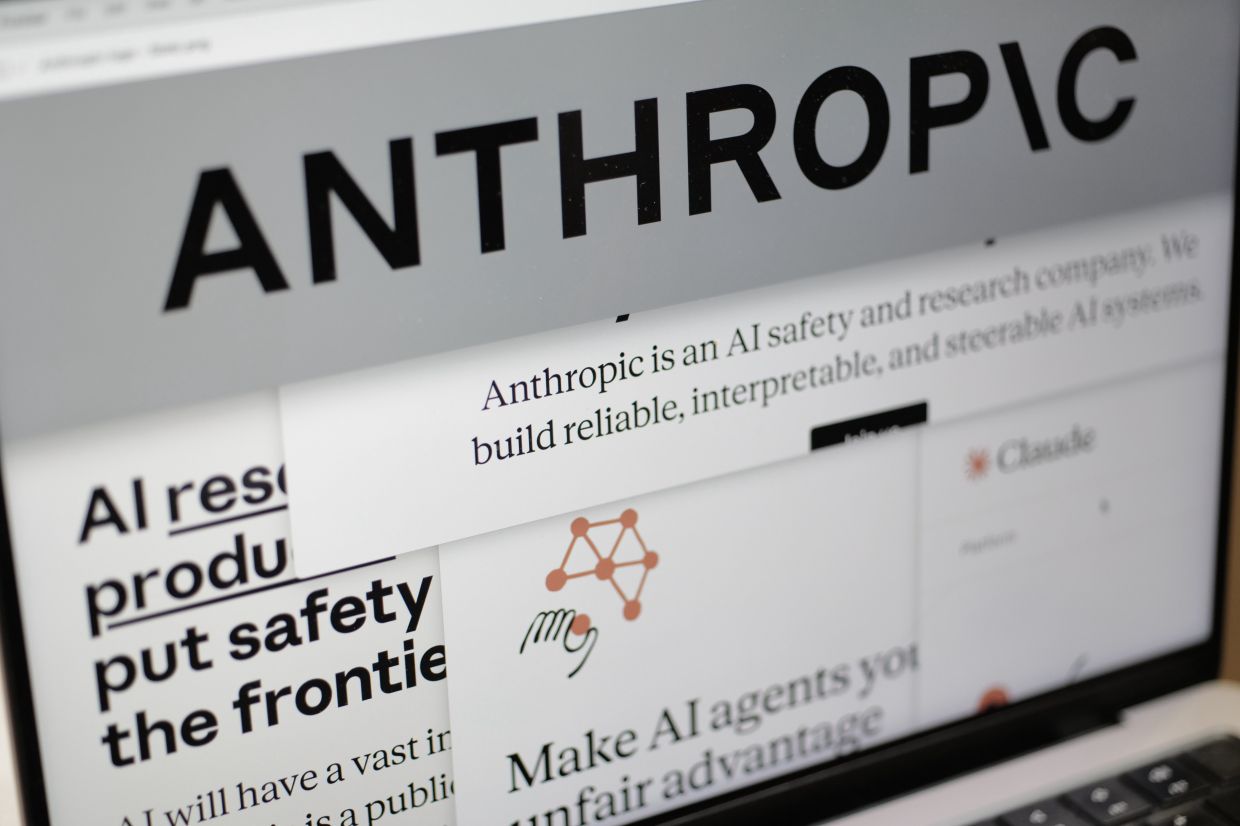
Legion, a US-based litigation technology company, has initiated legal action against the American government following Anthropic's decision to block access to its most sophisticated artificial intelligence models for foreign nationals. The lawsuit, submitted in federal court in Washington on June 23, challenges an export control directive that requires Claude and Mythos developer Anthropic to restrict distribution of its Fable 5 and Mythos 5 models. Legion's complaint highlights a growing tension between national security concerns and the operational realities of companies operating in an increasingly globalised technology sector.
The dispute emerged swiftly after Anthropic implemented the restrictions in response to pressure from the Trump administration. Legion asserts that the sudden unavailability of Fable 5, which the company describes as integral to its product development strategy, has created circumstances that threaten its viability. The company notes that some of its software development personnel are Canadian nationals based in Canada, making them unable to access tools that Anthropic now reserves for American citizens working within US borders. This classification has effectively severed Legion's connection to technology that it had previously relied upon for core operations.
The core complaint reveals the precarious position of companies caught between regulatory mandates and competitive pressures in the rapidly evolving artificial intelligence landscape. Legion characterises the disruption as "immediate, irreparable and existential," arguing that the pace of AI development is unforgiving enough that any competitive disadvantage accrued during the model access suspension cannot be recovered even after restrictions are lifted. The company emphasises that in a field where technological capabilities change dramatically within weeks, losing access to the latest generation of tools creates a cumulative disadvantage that extended use of older models cannot remedy. This argument underscores a fundamental challenge facing policymakers: balancing security objectives against the operational fluidity that modern technology companies require.
Commerce Secretary Howard Lutnick had previously communicated to Anthropic Chief Executive Officer Dario Amodei that the company needed government authorisation before distributing Fable 5 and Mythos 5 models internationally or to foreign nationals regardless of their location. This sweeping restriction reflects the Biden-Trump administrations' increasingly stringent approach to artificial intelligence technology exports, motivated by concerns that advanced AI capabilities could enhance the capabilities of strategic competitors or pose national security risks if misused. The policy represents a significant shift in how the US government approaches commercial AI development, placing restrictions that extend beyond traditional export controls.
Anthhropic's official response has been notably conciliatory. A company spokesperson indicated gratitude toward the administration for "working to resolve the situation as fast as possible" and reaffirmed commitment to collaborating with government authorities on protecting critical infrastructure while ensuring American technological leadership in AI. This measured tone suggests Anthropic views the restrictions as temporary or negotiable rather than permanent policy, and the company appears unwilling to openly challenge the administration's authority. The statement implies ongoing discussions between Anthropic and government officials regarding implementation details and possible exemptions or modifications.
The Commerce Department and White House had not provided immediate commentary on Legion's lawsuit at the time of reporting. Their silence may reflect either preliminary assessment of the legal merits or a deliberate strategy to avoid escalating the dispute publicly. The lack of rapid response also suggests that while export controls on AI represent clear policy direction, the specific mechanisms for implementation and enforcement remain subject to internal deliberation. This ambiguity creates uncertainty for companies seeking to understand exactly how restrictions will be applied in complex scenarios involving multinational teams or distributed workforces.
Legion's legal challenge carries implications extending beyond its immediate circumstances. The case tests whether export control authority, traditionally applied to physical goods and manufacturing capabilities, can be extended to cloud-based software access without constitutional or administrative law constraints. If successful, the lawsuit could establish important precedents regarding the limits of executive power to restrict commercial relationships, particularly when restrictions affect foreign nationals not engaged in activities typically associated with export violations. Conversely, if courts defer to executive authority on national security grounds, the decision would signal broad acceptance of AI-specific export controls as an emerging category of regulatory power.
For Malaysian and Southeast Asian technology companies, this dispute carries cautionary implications. The US government's willingness to retroactively restrict access to previously available tools, particularly when foreign nationals or internationally distributed teams are involved, suggests that companies in the region should anticipate potential access limitations. Malaysian software developers and AI-focused companies that have integrated advanced American AI models into their workflow face uncertainty about future access. The situation creates incentives for companies to either seek domestic or regional alternatives to American models, invest in developing proprietary capabilities, or restrict employment of foreign nationals in sensitive technical roles.
The broader context of this dispute reflects fundamental disagreements about how AI development should be governed in an interconnected global economy. Supporters of robust export controls argue that advanced AI represents a strategic asset comparable to military technology, justifying restrictions comparable to those on defence equipment. Critics contend that such controls are economically counterproductive, encourage brain drain, disadvantage American companies competing globally, and are difficult to enforce in the age of cloud computing and distributed work. Legion's lawsuit forces courts to grapple with these competing perspectives while determining whether existing legal frameworks can accommodate AI-specific regulation.
The precedent emerging from this case will influence how companies globally structure their operations and talent acquisition. If courts side with Legion, it could signal that export controls on cloud-based AI models face legal challenges. If courts uphold government authority, it would validate a new category of technology restrictions with far-reaching implications for companies operating across borders. For Anthropic itself, the outcome affects both its relationships with customers and its positioning within government policy discussions. The company's careful neutrality in public statements suggests awareness that the dispute will be resolved through legal processes rather than market forces, requiring navigation of political as well as commercial considerations.
The underlying question extends beyond Legion's specific circumstances: whether advanced AI capabilities can be effectively treated as exportable goods subject to government licensing in an era when those capabilities increasingly reside in cloud services accessed by distributed international teams. This tension between treating AI as strategic infrastructure requiring protection and treating it as a commercial service accessible on open markets will likely define AI policy disputes throughout the coming years. Legion's challenge represents an early legal test of how American courts will resolve these conflicts when they reach the judiciary.

