A United States federal judge has granted final approval to a landmark settlement addressing copyright violations committed by artificial intelligence developer Anthropic, which trained its Claude chatbot on thousands of pirated books. The ruling, delivered by District Judge Araceli Martínez-Olguín on July 20, represents a watershed moment in the intersection of intellectual property rights and generative AI development, with implications that extend far beyond Silicon Valley into global technology markets where Southeast Asian developers and creators operate.
The settlement covers more than 482,000 books that were acquired through illicit channels and used in machine-learning systems without author or publisher consent. The magnitude of the agreement underscores mounting legal and commercial pressures facing AI companies that have relied on vast quantities of copyrighted material to build their language models. For Malaysian writers, publishers, and content creators increasingly concerned about protecting their intellectual property in the digital age, this decision signals that courts are taking copyright infringement seriously even when conducted at massive industrial scales.
The participation rate in the settlement demonstrates substantial acceptance from the creative community. Approximately 91 per cent of authors and publishers eligible to claim compensation under the agreement have registered their claims and stand to receive direct payments. This high uptake suggests that the settlement provides what Judge Martínez-Olguín characterized as "meaningful relief" to affected rights holders, validating their grievances and establishing a precedent that creative work cannot be freely appropriated for commercial purposes without negotiation and compensation.
The legal journey toward this resolution has been complex and revealing about the current state of AI regulation. US District Judge William Alsup, who issued preliminary approval last September before his retirement, delivered a mixed ruling that created breathing room for some aspects of AI development while drawing clear boundaries around others. Specifically, Alsup determined that training artificial intelligence systems on copyrighted books could constitute fair use under American copyright doctrine—a finding that would normally shield technology companies from liability. However, the judge simultaneously concluded that Anthropic's method of acquiring the training data through pirate websites represented independent wrongdoing that violated copyright protections.
This distinction between permissible use of copyrighted material for machine learning and impermissible acquisition methods has become central to how courts are beginning to evaluate AI copyright disputes. The ruling essentially permits developers to train models on protected works if they obtain those works through legitimate channels—whether through licensing agreements, permission from publishers, or reliance on materials already in the public domain. But it definitively prohibits the practice of sourcing training data from unauthorized digital libraries and theft-based repositories, which had become an industry standard practice during the initial gold-rush phase of generative AI development.
Anthropics' response to the settlement reflects the company's effort to position itself as compliant with evolving legal expectations. Deputy general counsel Aparna Sridhar issued a statement emphasizing that "training AI on books is fair use under copyright law," drawing selectively on Judge Alsup's earlier ruling to suggest broader legal validation than the judgment actually provided. Sridhar also noted satisfaction with the settlement's participation rate and indicated the company's eagerness to conclude the matter, language suggesting that prolonged legal uncertainty creates business complications despite any ultimate vindication. The company's measured tone suggests recognition that multiple similar lawsuits from major publishers and author organizations remain active in various American courts.
The settlement ranks among the largest known copyright recovery actions in legal history, according to plaintiff attorney Justin Nelson, who emphasized the unprecedented scale of compensation being directed back to creative professionals. This characterization carries weight for developing markets in Southeast Asia, where creative industries are expanding but where enforcement of intellectual property rights has historically lagged behind developed economies. The American precedent may embolden creators and publishers in Malaysia and the region to pursue similar legal action against technology companies that have similarly harvested local content without authorization.
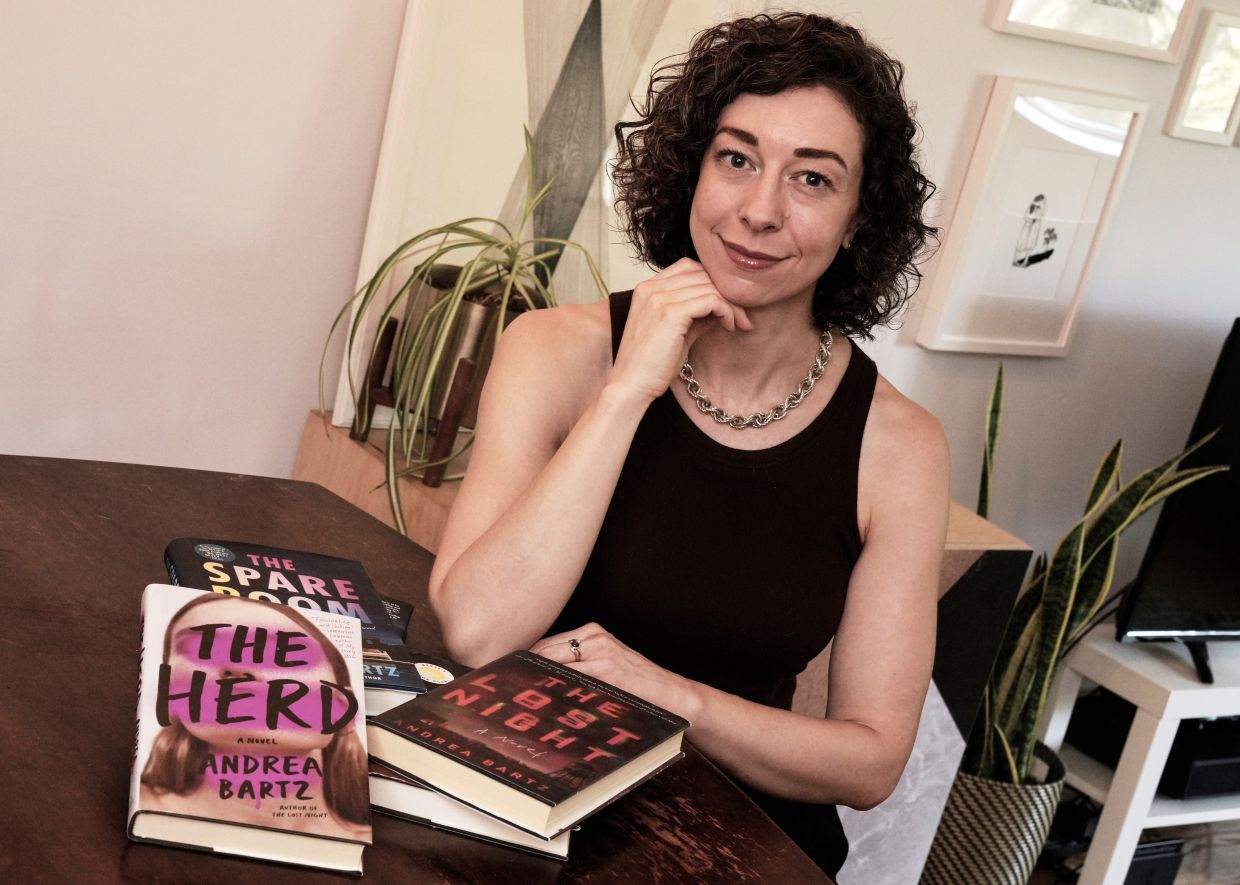
The case was initiated in 2024 by bestselling thriller novelist Andrea Bartz alongside two co-plaintiffs, positioning established professional authors at the forefront of resistance to unauthorized AI training practices. The involvement of commercially successful writers with platforms and resources to pursue litigation demonstrates that the copyright conflicts arising from generative AI are not marginal disputes but central concerns for mainstream publishing and literary communities. This timing is significant because it suggests that AI copyright litigation has entered a new phase, moving beyond theoretical discussions about fair use doctrine toward concrete financial accountability for technology companies.
The settlement's significance for Malaysian stakeholders extends beyond direct compensation mechanisms. It establishes legal precedent that technology developers cannot rely on acquisition of pirated content as a cost-cutting measure in building commercial systems. This principle carries particular importance for a region where digital piracy has historically been endemic and where local creative industries have suffered from inadequate protection. As Malaysian authors, journalists, musicians, and other content creators become increasingly aware of international legal standards protecting creative work, settlements like this one provide concrete evidence that courts will enforce those protections even against well-capitalized technology firms.
Looking forward, the settlement represents only one resolution within a much larger legal landscape. Dozens of additional copyright lawsuits involving AI developers remain active in American courts, with major publishers and author organizations pursuing claims against multiple technology companies. These ongoing cases will likely test whether the principles established in the Anthropic settlement can be consistently applied across the industry or whether different judges might reach different conclusions about what constitutes permissible AI training practices. For Malaysian stakeholders monitoring these developments, the outcomes of these pending cases will shape the legal environment in which their own creative work is either protected or exploited by artificial intelligence systems.
The July 20 approval also reflects judicial recognition that settlements offer practical advantages over prolonged litigation that could delay compensation for years while appeals wind through court systems. This pragmatic approach may accelerate resolution of other pending AI copyright disputes, potentially creating momentum toward industry-wide licensing standards and compensation frameworks. Should such frameworks emerge, they could establish models that Malaysian publishers and creators might reference when negotiating their own relationships with technology companies developing generative AI systems.

