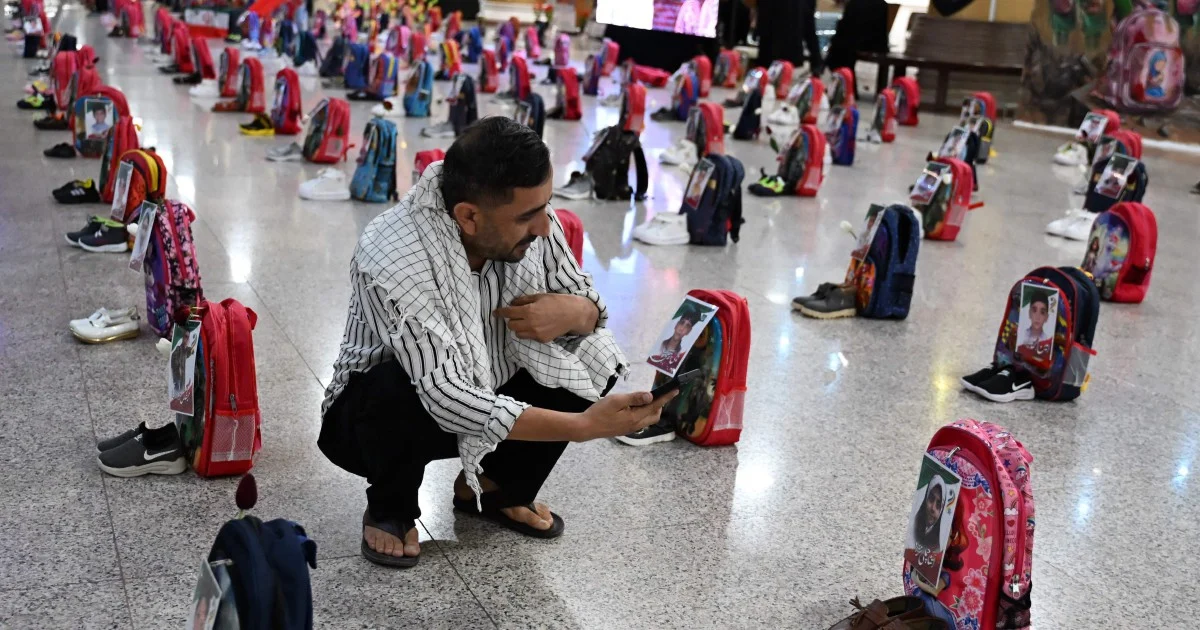
A group of Democratic senators, spearheaded by Kirsten Gillibrand, has pressed the Trump administration to publicly share the results of a military investigation examining a February 28 airstrike targeting a girls' educational facility in Iran. The lawmakers issued their demand on Monday, setting a one-week deadline for the Pentagon to make the probe's conclusions available.
The incident in question occurred when United States military forces struck what officials described as a strategic target, but which coincided with the location of an all-girls school. The strike sparked immediate international concern regarding potential civilian casualties and the circumstances surrounding the military decision-making process. Questions have persisted about whether proper precautions were taken to distinguish between military and civilian infrastructure, an obligation under international humanitarian law that governs armed conflict.
The Democratic senators' intervention reflects broader Congressional scrutiny of military operations in the Middle East and the Trump administration's approach to Iran policy. Gillibrand and her colleagues have signalled that transparency on this matter is essential for maintaining public trust in military operations and ensuring accountability within the defence establishment. Their insistence on a swift disclosure suggests they believe the Pentagon has already compiled sufficient findings to warrant immediate release.
The timing of this demand carries political significance in Washington, where oversight of military and foreign policy decisions remains a contentious issue between Democratic and Republican lawmakers. Gillibrand, a prominent voice on defence and military ethics within the Senate Democratic caucus, has consistently advocated for rigorous investigation into civilian harm allegations. Her leadership on this matter underscores Democratic priorities regarding military accountability and transparency in operations affecting civilian populations.
For regional observers, particularly in Southeast Asia, this episode highlights the complex geopolitical dynamics between major powers and how military actions far from home shores can trigger ripple effects across international relations and law. Malaysia and other ASEAN nations have long advocated for strict adherence to international humanitarian principles and the protection of civilians during armed conflicts, irrespective of which major power is involved.
The investigation itself represents standard Pentagon protocol when civilian infrastructure may have been affected by military operations. The US military maintains internal review mechanisms designed to evaluate whether target identification processes were followed correctly and whether necessary precautions were taken to minimise civilian harm. However, the public disclosure of such findings is often contested, with security concerns and operational sensitivities sometimes cited as reasons for limited transparency.
The one-week deadline imposed by the senators suggests they anticipate completion of the probe and view further delays as unnecessary. The legislative pressure indicates that the investigation has likely reached substantive conclusions, though the Pentagon may face competing pressures from security officials concerned about revealing operational details. The balance between transparency and national security considerations remains a perpetual tension in American governance, especially regarding military matters.
From an international law perspective, civilian protection in armed conflict represents a fundamental principle enshrined in the Geneva Conventions and customary international humanitarian law. Allegations of strikes on civilian facilities trigger obligations for affected parties to conduct credible investigations and share findings with relevant international bodies. The Congressional demand reflects these broader commitments, though enforcement mechanisms remain weak at the international level.
The incident also reflects ongoing tensions in US-Iran relations, a relationship that has significantly influenced Middle Eastern stability and geopolitical calculations across Asia. Military escalations between the two countries carry implications for global energy markets, maritime security in the Persian Gulf, and the broader international order. Southeast Asian economies, heavily dependent on stable energy supplies and open sea lanes, have indirect stakes in preventing spiralling tensions between Washington and Tehran.
Senator Gillibrand's coalition likely encompasses colleagues who have consistently questioned military operations in Muslim-majority regions and advocated for enhanced civilian protection standards. This legislative pressure, if sustained, could establish precedents for demanding greater transparency regarding Pentagon investigations into allegations of civilian harm. Success in compelling disclosure here might embolden similar demands regarding other military operations in contested regions.
The Pentagon's response to this Congressional demand will be closely watched by military accountability advocates, international human rights organisations, and diplomatic observers globally. A transparent disclosure of findings could either validate the military's target identification procedures or raise troubling questions about decision-making processes. Either outcome carries implications for how future military operations are planned and overseen within the defence establishment.
Ultimately, this episode underscores enduring tensions between military operational security and democratic accountability. In the United States, civilian control of the military remains a foundational principle, with Congress serving as the primary check on executive military authority. When elected representatives demand transparency regarding military actions that potentially harm civilians, they invoke this constitutional responsibility, even when such demands complicate the Pentagon's work.

