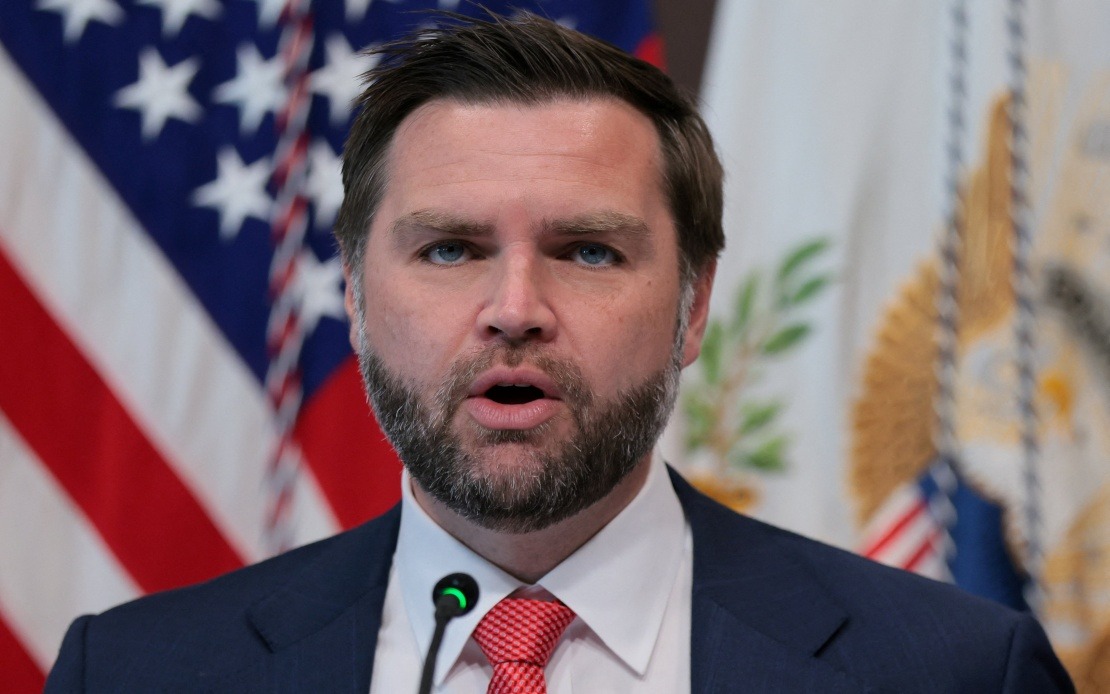
The United States is pressing Iran to maintain petroleum and natural gas flows through the Strait of Hormuz at levels that prevailed before recent regional hostilities, according to remarks made by Vice President JD Vance this weekend. Speaking from Istanbul, Vance outlined Washington's expectations for Iranian conduct in one of the world's most critical maritime chokepoints, emphasising that American officials will judge Tehran's sincerity through observable actions rather than diplomatic assurances alone. The comments underscore broader American concerns about energy security and regional stability in the Persian Gulf, an area that supplies roughly one-third of the world's seaborne crude oil.
Iran has conveyed to US officials its intention to permit uninterrupted hydrocarbon flows through the strategically vital waterway, Vance indicated, though Washington maintains a cautious stance toward these declarations. The vice president invoked the Cold War-era verification principle, noting that American policy prioritises substantive conduct over rhetoric when assessing Iranian compliance. This measured scepticism reflects longstanding tensions between the two nations and past disputes over maritime access and sanctions enforcement in Gulf waters.
Among the specific commitments Washington seeks is an Iranian pledge to refrain from imposing transit fees on vessels navigating the strait. Vance noted that Tehran has formally denied harbouring such plans, yet the US intends to monitor whether Iranian actions align with these stated positions. The question of toll collection carries particular significance for global commerce, as disruptions to shipping through the 21-mile corridor would reverberate across international energy markets and affect economies worldwide, including those in Southeast Asia heavily dependent on Gulf petroleum imports.
The removal of sea mines placed by Iran at the outset of the conflict has emerged as a pressing technical challenge requiring international coordination. Vance acknowledged that Iran deployed substantial quantities of these weapons in the waterway, creating hazardous conditions for commercial navigation. Establishing secure shipping corridors through demining operations and implementing formal traffic management protocols now rank among the central negotiating points between Washington and Tehran. Regional partners, particularly Oman, have participated in discussions aimed at protecting maritime commerce while addressing legitimate security concerns.
Washington additionally demands that Iran commit to abstaining from direct attacks on merchant vessels and cargo ships transiting the strait. This expectation reflects heightened concerns about potential escalation scenarios in which Iranian forces might deliberately target commercial shipping as leverage against American interests or regional rivals. Such an undertaking would represent a meaningful concession on Iran's part, effectively constraining its ability to weaponise maritime commerce disruption as a coercive instrument in future disputes.
Vance characterised the current Iranian leadership as economically pressured and motivated to conclude regional conflict, suggesting that Tehran's vulnerabilities create diplomatic opportunities for Washington. The vice president indicated that American negotiators believe Iran possesses sufficient internal incentives to accept terms that would restore normal energy trade flows. This assessment presumes that continued economic hardship and military setbacks will ultimately push Tehran toward accommodation with American demands for predictable, unrestricted petroleum transit.
The broader American strategy incorporates multiple pressure points beyond the immediate maritime security issues. Vance enumerated significant military and nuclear achievements by US forces and policies, claiming that Washington has substantially degraded Iran's nuclear weapons programme, conventional military capabilities, and unconventional asymmetric warfare potential. These claims frame the current moment as one where Iran faces severely diminished coercive capacity and must therefore accept American terms for regional stability and normalisation.
However, the vice president also signalled conditional openness to longer-term relations with Iran, provided Tehran adopts what Washington deems necessary structural changes to its strategic posture. Vance presented this as a genuine opportunity for Iranian leadership to fundamentally reorient foreign policy, though he acknowledged the possibility that Tehran might reject such overtures. The implicit message suggests that Washington will continue applying maximal pressure if Iran declines to make what American officials consider meaningful concessions.
Energy pricing and American domestic interests feature prominently in Vance's framing of US objectives. The vice president explicitly connected successful negotiations over Gulf oil supplies to lower energy costs for American consumers, connecting foreign policy achievement to household economic benefits. This rationale resonates with the Trump administration's emphasis on tangible domestic returns from international engagement and reflects broader energy independence ambitions that have shaped recent American Middle East policy.
For Malaysia and broader Southeast Asia, these developments carry significant implications regarding energy security and regional stability. The strait handles roughly one-third of global seaborne petroleum, and many ASEAN nations depend heavily on uninterrupted Gulf crude supplies. Any sustained disruption to traffic through this waterway would raise regional energy costs and potentially trigger economic slowdown across the region. Malaysian policymakers and businesses therefore have considerable stakes in whether American-Iranian negotiations succeed in stabilising maritime commerce and preventing further escalation.
The negotiations also reflect deeper American strategic competition with Iran for influence and control over critical Middle Eastern geography. Beyond immediate energy concerns, the US emphasis on secure shipping and freedom of navigation aligns with Washington's broader Indo-Pacific strategy emphasising open sea lanes and international law. How effectively American diplomacy manages Iran's conduct in the strait will influence broader perceptions of US reliability and capacity to shape regional outcomes in ways that affect peace and prosperity across Asia.
The path forward requires sustained coordination between Washington, Tehran, regional stakeholders like Oman, and international maritime authorities. Success would demonstrate that even adversaries can negotiate functional arrangements protecting shared interests in energy commerce and shipping security. Failure would risk renewed confrontation, maritime incidents, and global energy market disruptions with consequences extending far beyond the Gulf region to Southeast Asian economies dependent on stable, affordable petroleum flows.

