The United States Treasury Department has moved to tighten financial restrictions on entities it claims are connected to Iran's senior political and military establishment, citing a pattern of maritime aggression in one of the world's most critical shipping corridors. The Office of Foreign Assets Control issued designations on Friday that target both individuals purported to have close ties to Iran's ruling hierarchy and a network of informal financial institutions operating within the country.
At the centre of the enforcement action is Ali Ansari, whom American officials characterise as maintaining connections to Mojtaba Khamenei, the Supreme Leader's son, and broader structures within the Islamic Revolutionary Guard Corps. The designation mechanism used by OFAC—placement on the Specially Designated Nationals List—effectively freezes any assets within American jurisdiction and prohibits US persons and entities from conducting business with the named parties. This represents a standard but potent tool in Washington's broader strategy of applying economic pressure on Tehran's networks.
The sanctions sweep extends beyond individuals to encompass what Western intelligence agencies describe as the shadow financial system underpinning Iran's economy. Three exchange houses based in Tehran and Shiraz have been added to the blacklist: Mohammad Darbani and Partners Exchange, Mohsen Khandan and Partners Exchange, and Lavasani and Partners Exchange. These entities, structured as general partnerships under Iranian law, allegedly facilitate transfers of value that circumvent conventional banking channels and international oversight mechanisms. Such informal money transfer systems have become increasingly important to Iran as formal international banking relationships have contracted due to previous sanctions regimes.
The sanctions architecture also encompasses Smart Global Limited, a holding company domiciled in Saint Kitts and Nevis, a Caribbean jurisdiction that has become a location of choice for shell companies and offshore financial vehicles. American authorities assert this entity serves as a conduit through which Iranian interests channel funds internationally, providing an additional layer of obfuscation from sanctions enforcement. The structure exemplifies how targeted individuals attempt to maintain financial mobility despite restrictions through jurisdictional arbitrage and layered corporate ownership.
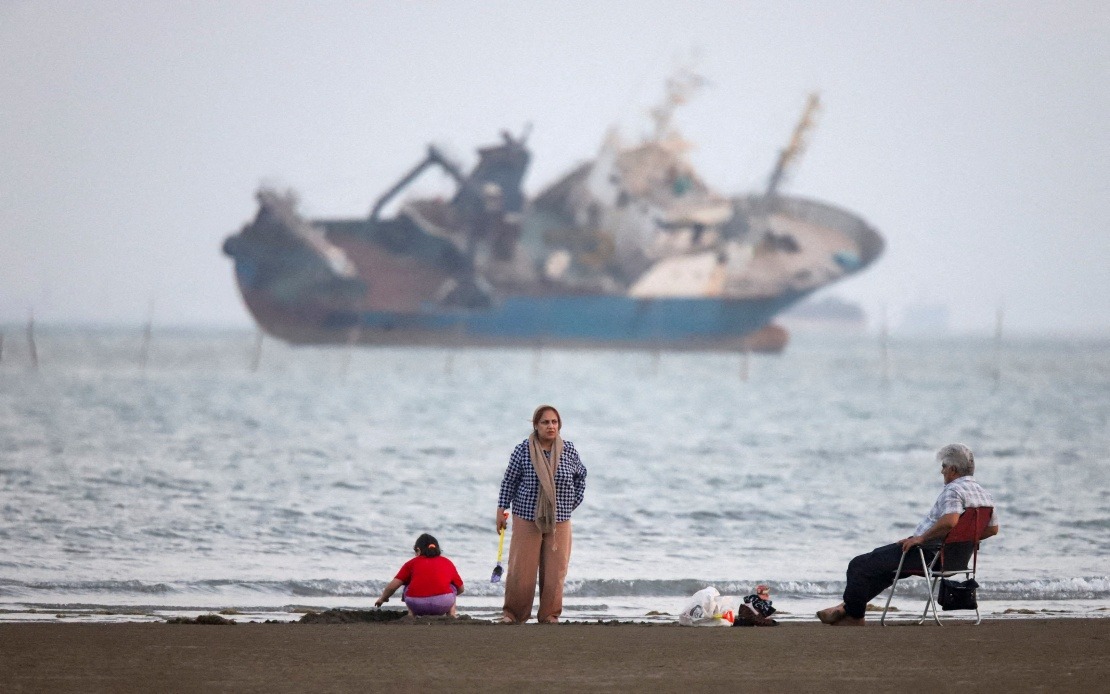
These designations arrive against a backdrop of escalating maritime tensions centred on the Strait of Hormuz, the narrow passage through which roughly one-third of global oil shipments transit. The recent attacks on three commercial vessels represent a significant escalation in what has been episodic maritime harassment, raising regional security concerns and threatening global energy supply chains. For Southeast Asian nations, particularly those dependent on Middle Eastern crude and with significant shipping interests passing through these waters, the deterioration in Hormuz security has direct economic implications through insurance premiums, potential supply disruption, and broader geopolitical instability.
Iran's Foreign Minister Seyed Abbas Araghchi has rejected the American action as inconsistent with broader diplomatic understandings, invoking what he characterises as violations of a memorandum of understanding and asserting Iran's own commitment to compliance with negotiated agreements. His statement suggests Tehran views the sanctions as part of a pattern of American bad faith, particularly relevant to discussions around the Joint Comprehensive Plan of Action, the nuclear agreement that Washington abandoned in 2018. The Iranian diplomatic response indicates that Tehran perceives no reciprocal commitment to constraint from the United States side, potentially setting conditions for further escalation.
The timing and nature of these sanctions reflect a deliberate American strategy of targeting Iran's financial infrastructure and access to international commerce. By designating exchange houses and individuals facilitating transactions, OFAC aims to increase the friction costs of Iranian economic activity and make it riskier for international financial institutions to engage with Iranian counterparties, even those not directly sanctioned. This indirect effect—sometimes termed secondary sanctions pressure—has proven more consequential to Iran's economy than direct designations alone.
For Malaysian policymakers and businesses, these developments carry several implications. Malaysia maintains significant trade relationships with Iran and hosts a substantial Iranian expatriate community. Any further deterioration in US-Iran relations increases the compliance burden on Malaysian financial institutions navigating sanctions requirements, as international banks face heightened scrutiny over transactions with Iranian entities. The Strait of Hormuz's strategic importance to Malaysian energy security and maritime commerce makes regional stability a vital national interest, even as Malaysia seeks to maintain pragmatic relationships across competing global powers.
The incident also underscores the vulnerability of critical maritime chokepoints to geopolitical conflict and the cascading effects such tensions produce across global supply chains and Southeast Asian economies. As great power competition intensifies, maritime security in strategic waters adjacent to Southeast Asia faces mounting pressure from state-sponsored actors and proxies, a reality that regional governments must increasingly incorporate into strategic planning and risk assessment frameworks.

