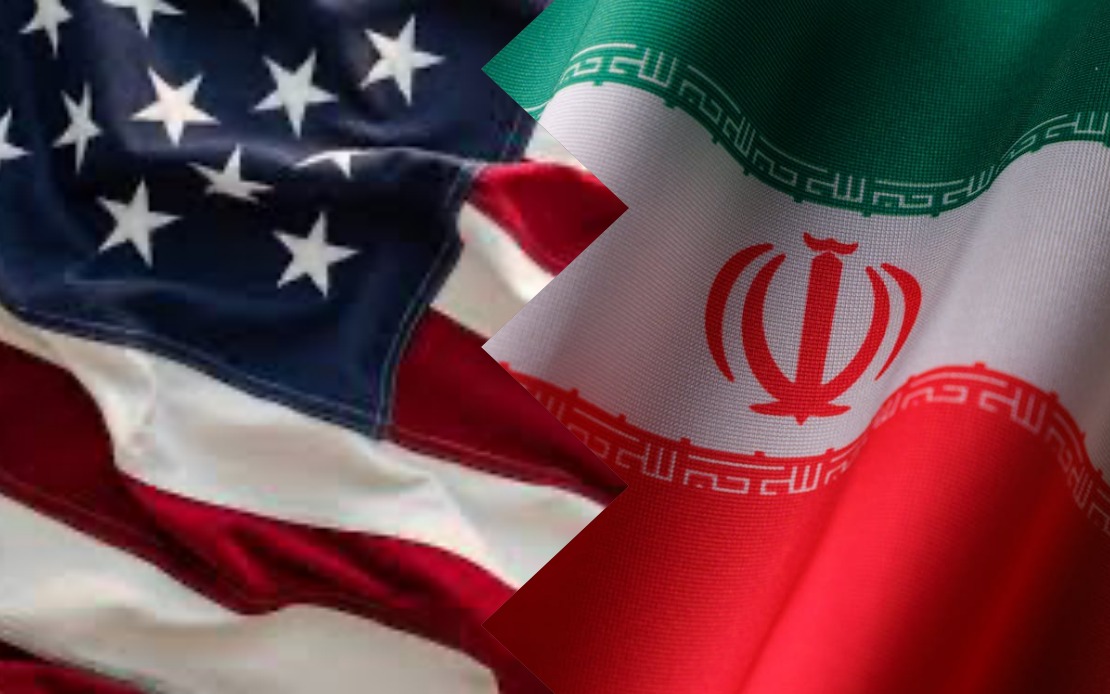
The United States military launched its second wave of offensive operations against Iran on Wednesday afternoon, according to statements from the Central Command (CENTCOM). The coordinated strikes, initiated at 3 p.m. Eastern Time, represent a significant escalation in the tense standoff between Washington and Tehran, which has intensified dramatically over recent weeks despite attempts at diplomatic resolution through intermediaries.
CENTCOM officials specified that the military operations were designed to neutralize Iranian military installations and systems that pose a direct threat to maritime traffic transiting the Strait of Hormuz, one of the world's most critical chokepoints for global energy supplies and international commerce. The targeting of these capabilities reflects American determination to maintain freedom of navigation through this vital waterway, which sees approximately one-third of globally traded oil passing through its waters daily. The emphasis on protecting commercial shipping lanes underscores the broader implications of Iranian military posturing for economies far beyond the Middle East, including those in Southeast Asia heavily dependent on stable energy imports and uninterrupted maritime trade.
President Donald Trump characterized the military operations as measures of accountability against Iranian actions, framing them within the context of broader American strategic interests in the region. Earlier on Wednesday, Trump issued a direct warning to Iran's leadership, suggesting that Tehran fully comprehends the administration's position and implicitly threatening further consequences if Iranian behavior does not change. His statement, delivered with characteristic directness, was designed to signal resolve while simultaneously providing a pathway for de-escalation should Tehran choose to modify its conduct.
The backdrop to these current strikes reveals a pattern of tit-for-tat military exchanges that have unfolded over recent days. This cycle of attack and counter-attack occurred despite the existence of a Pakistan-mediated agreement ostensibly designed to halt the cycle of violence that began in earnest with American and Israeli military operations targeting Iranian facilities in February. That earlier military campaign, which involved substantial Israeli airstrikes coordinated with American support, triggered the current sequence of Iranian responses and American counter-responses.
For regional observers and international stakeholders, the continuation of hostilities despite the Pakistan-brokered understanding raises serious questions about the viability of diplomatic solutions. Malaysia and other Southeast Asian nations, which maintain economic and diplomatic relationships with both the United States and Iran, face complications from this renewed military confrontation. The regional balance that these nations have carefully cultivated now confronts new stresses as the Middle Eastern conflict intensifies.
The strategic importance of the Strait of Hormuz cannot be overstated in the context of Asian economies. Disruptions to shipping through these waters would reverberate across supply chains throughout the region, affecting everything from energy prices to manufacturing timelines. Malaysian manufacturers, traders, and energy consumers thus have direct interests in the resolution of American-Iranian tensions, even though these nations lie geographically distant from the conflict zone.
The apparent failure of the Pakistan-mediated agreement to establish lasting peace suggests that underlying political objectives of both Washington and Tehran remain fundamentally incompatible. The February escalation initiated by American and Israeli action appears to have set in motion dynamics that diplomatic frameworks have proven insufficient to arrest. Both sides appear locked into patterns of action and reaction that feed upon themselves, each military move justifying the next response.
Trump's warnings to Iran represented an attempt at coercive diplomacy, signaling that further restraint from American forces depended upon Iranian behavioral modification. Whether Tehran interprets these warnings as credible threats or merely rhetorical posturing will likely determine the trajectory of near-term developments. Previous experience with American military rhetoric suggests that the administration remains prepared to follow words with actions if Iranian provocations continue.
The implications for Southeast Asian nations extend beyond immediate concerns about shipping and energy security. The renewed American-Iranian confrontation affects the broader geopolitical environment within which regional powers operate. The United States maintains security commitments to various regional allies, while China's expanding interests in the Middle East and its heavy dependence on energy imports through the Strait of Hormuz create additional layers of complexity. Malaysian policymakers must navigate these crosscurrents carefully, balancing economic relationships with security considerations and maintaining the regional stability upon which prosperity ultimately depends.
Looking forward, the trajectory of American-Iranian hostilities remains uncertain. The apparent ineffectiveness of Pakistan's mediation efforts suggests that resolution may require either a shift in fundamental strategic calculations by one or both sides, or perhaps the intervention of additional international actors capable of brokering arrangements that address the underlying political divisions. Until such developments occur, the region must prepare for the possibility of continued military escalation and the attendant risks to global commerce and stability.

