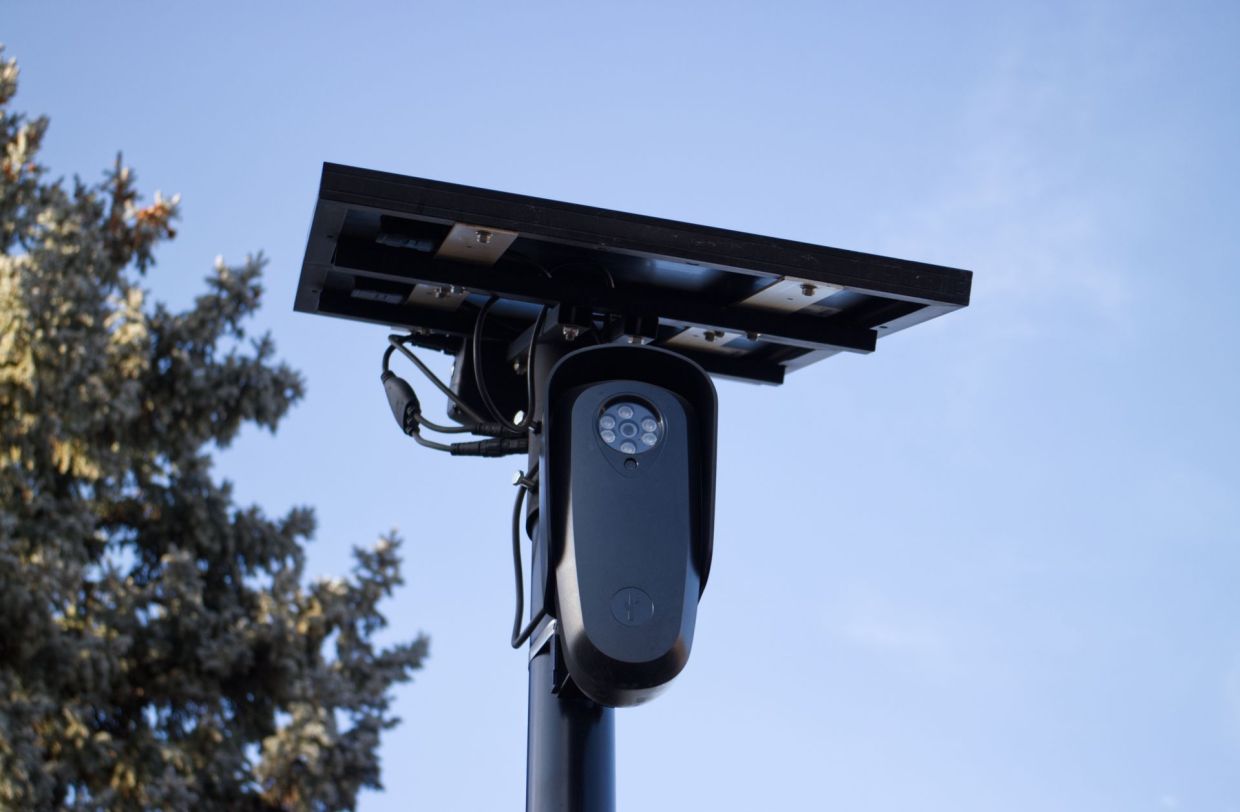
An unprecedented coalition of American citizens, spanning ideological divides from libertarian conservatives to progressive civil liberties advocates, has mobilized against Flock Safety's network of automated license plate recognition cameras. The movement, gaining traction across multiple states, represents a rare moment of bipartisan alignment on a surveillance technology issue in a deeply polarized nation. What began as scattered online activism has evolved into a sustained, organized resistance that has already forced more than 70 municipalities to abandon their contracts with the surveillance firm.
Flock cameras operate fundamentally differently from conventional closed-circuit surveillance systems. Rather than recording continuous video feeds, these devices capture still images of passing vehicles, extracting critical data including license plate numbers, vehicle make and model, colour, and visible features like bumper stickers. The collected information is transmitted to Flock's cloud infrastructure where it is retained for up to a month and made accessible to law enforcement agencies and authorized subscribers, sometimes across state jurisdictional boundaries. This networked architecture and extended data retention period has become the focal point of privacy concerns among critics who argue it enables unprecedented tracking capabilities.
For law enforcement agencies, the technology offers undeniable investigative advantages. Richmond, Virginia's police department, which adopted Flock in 2023, has demonstrated tangible results from the system. In a domestic homicide investigation in May, detectives rapidly identified a fleeing suspect by cross-referencing license plate data from multiple cameras, enabling officers in a neighbouring county to apprehend the individual. Police officials argue that the system represents a proportionate tool for solving crimes involving vehicles, suggesting that querying the database has become standard procedure for any investigation with a vehicular component. These documented successes have made the technology appealing to departments nationwide seeking to enhance investigative efficiency.
However, documented instances of systemic abuse have fuelled the opposition movement. A Washington Post investigation revealed that at least fifty law enforcement officers have faced accusations of misusing the Flock system, with the majority exploiting it to conduct unauthorized surveillance on romantic partners or former relationships. More egregiously, evidence emerged of officers using plate data to track women who obtained abortions in states where the procedure is prohibited, and in several instances, officers illegally transmitted surveillance information to immigration authorities. These revelations have transformed the debate from theoretical privacy concerns into evidence-based warnings about actual government overreach.
The activist response has ranged from peaceful civic engagement to direct action. A self-identified vigilante operating under the alias Nomark has become the movement's most visible figure, leveraging a substantial Instagram following of 500,000 to provide instructional content on disabling the cameras. Beginning nervously with his first camera destruction near Minneapolis, Nomark has reportedly disabled approximately thirty devices and claims to have overcome his initial apprehension about the illegality of his actions. While his methods are unquestionably unlawful, they have catalyzed broader awareness and inspired coordinated action by like-minded individuals across the country. The Facebook group DeFlock America has accumulated over 600,000 members, growing by thousands daily, indicating the scale of grassroots concern.
The movement's infrastructure reflects sophisticated organization beyond simple vandalism. Online communities have constructed crowdsourced databases mapping camera locations, developed techniques for obscuring camera lenses, and celebrated individuals arrested for destroying the equipment. This coordination suggests that opposition to Flock extends beyond a radical fringe element and represents genuine public concern about surveillance expansion. The American Civil Liberties Union has characterized the movement's growth as "stunning," noting that it represents an authentic grassroots phenomenon rather than an astroturf campaign.
What distinguishes this movement from typical political disputes is its unprecedented cross-ideological composition. Libertarian-leaning conservatives who typically distrust government overreach have aligned with progressive civil liberties organizations in opposing the technology. Prominent conservative figure Tucker Carlson, formerly of Fox News, has publicly characterized camera vandals as "decent, patriotic Americans" exercising legitimate self-defence against encroaching surveillance. This bipartisan convergence stands in sharp contrast to America's deeply fractured political landscape, suggesting that surveillance concerns touch a fundamental value shared across the political spectrum.
Municipal governments have responded to constituent pressure by terminating Flock contracts at an accelerating pace. From major metropolitan centres like Los Angeles to smaller Virginia towns, more than seventy cities have ended their associations with the company in recent months, according to ACLU documentation. This trend demonstrates that peaceful civic action—including direct engagement with city council members and mayors—can effectively constrain technology deployment when sufficient public demand materializes. The success of these efforts suggests a model for how communities might resist surveillance expansion through democratic channels.
The movement has particular relevance for Southeast Asian observers, including Malaysian stakeholders monitoring technology governance trends. As facial recognition and automated surveillance systems proliferate globally, the American experience illustrates both the appeal of such technologies to security-focused governments and the significant civil society mobilization required to constrain their deployment. The convergence of privacy advocates and civil liberties organizations has proven more effective than isolated criticism, suggesting that technology governance requires sustained, organized public engagement. Furthermore, the question of police abuse and governmental overreach remains pertinent across regions with varying institutional checks and balances.
Flock CEO Garrett Langley has responded to the movement defensively, characterizing opponents as "terrorists," an inflammatory characterization that has arguably intensified rather than diminished the resistance. This rhetorical escalation contrasts sharply with the measured approach adopted by some law enforcement officials who have acknowledged legitimate privacy concerns while defending the technology's crime-fighting utility. The CEO's adversarial posture may have inadvertently legitimized the movement by framing opposition as dissent against corporate surveillance rather than radical activism.
Christopher Newport University criminology professor Steven Keener has outlined accessible pathways for sustained civic opposition, emphasizing that residents retain meaningful mechanisms to influence municipal policy through regular channels. His framing of the issue as fundamentally within the province of democratic decision-making rather than technological inevitability has resonated with activists seeking to operate within institutional constraints. The demonstrated capacity of organized communities to redirect municipal policy decisions through conventional advocacy demonstrates that surveillance expansion is neither predetermined nor irreversible.
The Flock controversy emerges at a critical juncture in debates about surveillance technology governance globally. As governments and private security companies worldwide expand automated monitoring capabilities, the American movement against license plate readers exemplifies how public pressure can constrain technology deployment. The movement's success in compelling over seventy municipalities to reconsider their contracts suggests that determined civic mobilization, even in violation of law, can fundamentally alter the trajectory of surveillance expansion. Whether this represents a sustainable constraint on advancing surveillance capabilities or merely a temporary setback remains uncertain, but the movement has definitively established that widespread public resistance to surveillance technologies remains possible even in highly fragmented democracies.

