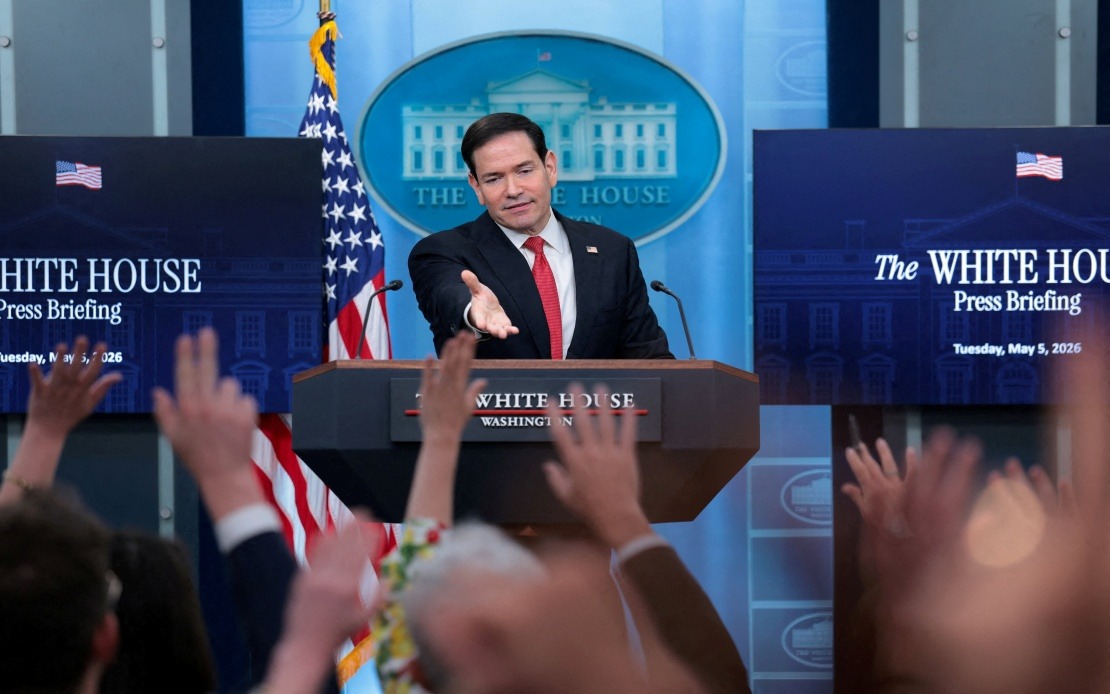
The United States remains prepared to pursue diplomatic channels with Iran, according to Secretary of State Marco Rubio, who made the statement during an ASEAN ministerial gathering in Manila this week. The remarks underscore the Biden administration's continued emphasis on engagement as a preferred pathway for managing US-Iran relations, even as tensions persist between the two nations. Rubio's comments at the regional forum reflect broader American foreign policy positioning in a complex geopolitical landscape where multiple stakeholders have vested interests in stability.
Rubio articulated a nuanced position that combines openness to negotiation with firmness about expectations. The US government, he explained, has consistently demonstrated its commitment to resolving international disputes through dialogue rather than confrontation. This commitment extends to the Iranian file, despite the substantial historical tensions and divergent interests that have characterised bilateral relations for decades. The Secretary of State's willingness to engage reflects a pragmatic recognition that sustainable solutions to complex geopolitical problems typically require sustained diplomatic effort.
Communication channels between Washington and Tehran remain partially active, according to Rubio's disclosure. The two capitals have been exchanging messages through both direct and indirect means, exploring the contours of potential discussions aimed at de-escalating current tensions. Such backchannel communications, while not uncommon in international relations, suggest that despite public rhetoric and mutual suspicion, serious figures in both governments recognise the necessity of maintaining contact to prevent misunderstandings from spiralling into crises.
However, Rubio injected a crucial caveat into his otherwise conciliatory remarks. The American position hinges fundamentally on Iranian sincerity and genuine commitment to substantive negotiations. From Washington's perspective, previous diplomatic initiatives have faltered because Tehran has allegedly failed to honour commitments made during negotiations. This pattern of perceived non-compliance shapes the current US approach, which demands credible evidence of Iranian intent before investing further diplomatic capital. Rubio's conditional framing reflects deep-rooted scepticism that must be overcome through Iranian actions, not merely words.
The Secretary of State articulated a clear quid pro quo arrangement governing US-Iran relations. Should Iran approach negotiations with genuine intention to reach binding agreements and subsequently honour those commitments, the United States would reciprocate with sustained diplomatic engagement and constructive negotiations. Conversely, if Iran continues what American officials characterise as performative diplomacy without substantive follow-through, Washington will pursue alternative measures to safeguard its national interests and those of its regional allies. This carrot-and-stick messaging is designed to incentivise Iranian compliance while establishing credible deterrence.
The consequences Rubio referenced extend beyond diplomatic consequences to encompass broader policy responses. Throughout his remarks, the Secretary of State alluded to unspecified measures the US would deploy if Iran fails to demonstrate genuine commitment to agreements. These measures could encompass intensified economic sanctions, military positioning adjustments, or support for partner nations viewed as threatened by Iranian actions. The implicit threat underscores that American willingness to negotiate coexists with capacity and resolve to impose costs on non-compliance.
Rubio's comments carry particular significance given the ASEAN forum context. Southeast Asian nations, including Malaysia, maintain complex relationships with both the United States and Iran. Many regional states have economic interests in maintaining relations with Iran while simultaneously depending on American security guarantees and market access. By reaffirming diplomatic openness in Manila, Rubio was also signalling to ASEAN members that the US remains committed to negotiated solutions rather than military escalation, which could destabilise the broader region and threaten commercial interests.
The historical backdrop to current US-Iran relations informs understanding of Rubio's cautious optimism. The Joint Comprehensive Plan of Action, negotiated in 2015 with international participation, collapsed when the Trump administration withdrew and reimposed sanctions. Subsequent efforts to revive that agreement have foundered over disagreements regarding scope, verification mechanisms, and broader regional security concerns. This history explains why American officials now emphasise the critical importance of verified compliance and binding arrangements that accommodate past grievances.
For Malaysian policymakers and regional stakeholders, Rubio's statements suggest that immediate military escalation between the US and Iran appears unlikely in the near term, though underlying tensions remain substantial. The diplomatic pathway, while narrow and demanding, remains viable. This assessment provides some reassurance for regional economies dependent on stable energy markets and uninterrupted maritime commerce through waters where US-Iran tensions could potentially manifest.
The challenge ahead involves bridging fundamental disagreements that have resisted resolution through multiple diplomatic rounds. Beyond nuclear issues, disputes encompass American concerns about Iranian regional activities, missile development programmes, and support for non-state actors. Iran's perspective emphasises national sovereignty, concerns about American encroachment, and historical grievances. Constructing agreements addressing these multifaceted issues requires creativity, mutual concessions, and leadership willing to take political risks in both capitals.
Rubio's emphasis on reciprocal seriousness effectively places the burden on Iran to signal genuine willingness to engage. American officials have consistently argued that previous Iranian governments failed to implement agreed commitments or negotiated in bad faith. Whether current Iranian leadership will respond differently remains to be seen. The coming weeks and months will reveal whether the diplomatic opening Rubio articulated translates into substantive negotiations or reverts to mutual recrimination and escalatory posturing.
Regional implications of US-Iran diplomatic progress extend across Southeast Asia, affecting everything from energy security to maritime safety to broader security alliance configurations. Malaysia and other ASEAN members have stakes in ensuring that great power competition does not destabilise the region or constrain economic opportunities. Rubio's reaffirmation of American commitment to negotiated solutions, provided Iran reciprocates, provides some foundation for regional optimism, though significant obstacles and deep-rooted mistrust continue to complicate the path forward.

