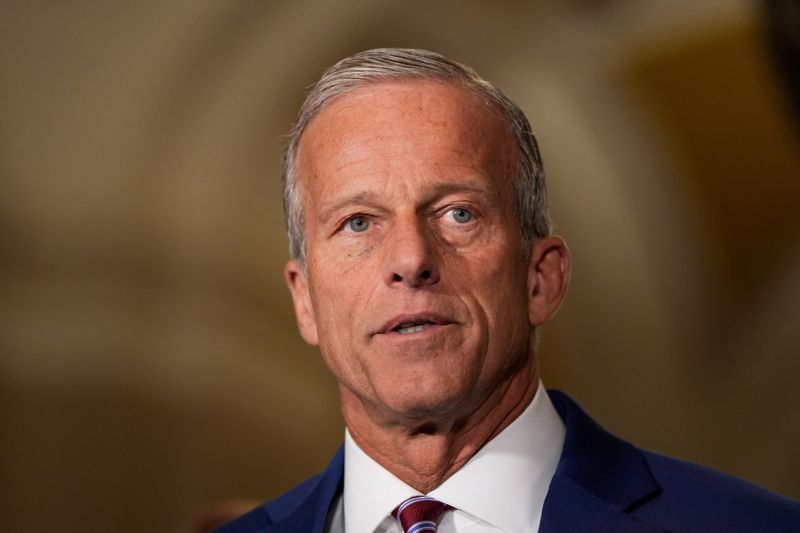
The United States Senate has taken a significant procedural step toward enacting comprehensive cryptocurrency legislation, marking a potential turning point in how the world's largest economy regulates digital assets. Senate Majority Leader John Thune filed a motion early on Saturday morning to schedule a key procedural vote on the Clarity Act when legislators return from their August recess in mid-September, according to filings with the U.S. Senate Press Gallery. This maneuver sets the stage for what could become a full floor vote on the bill, suggesting Republican leadership believes passage remains within reach despite considerable Democratic resistance.
The Clarity Act represents the crypto industry's first genuine opportunity to secure a comprehensive federal regulatory framework. Currently, the digital asset sector operates in a fragmented landscape where multiple regulators—including the Securities and Exchange Commission, Commodity Futures Trading Commission, and banking authorities—claim overlapping jurisdiction. The proposed legislation would definitively establish which digital tokens qualify as securities or commodities, clarifying the regulatory authority responsible for each category. This distinction carries enormous practical significance for cryptocurrency companies operating across borders and serving millions of retail and institutional investors.
For the bill to advance, Senate Republicans must secure at least 60 votes under chamber rules, meaning they cannot afford significant defections from their own ranks and must persuade a minimum of eight Democratic senators to support the measure. This threshold presents a genuine challenge, as Democrats have largely opposed the legislation and raised concerns about potential regulatory gaps. The arithmetic remains tight, and Republican leadership's decision to schedule the procedural vote suggests they believe they have identified sufficient Democratic support or that they can secure it through negotiations before mid-September.
The crypto industry has invested unprecedented resources in advancing this legislation. Industry actors and companies spent more than $119 million supporting candidates who favoured cryptocurrency-friendly policies during the 2024 election cycle, with the Clarity Act serving as a primary focus of their lobbying efforts. This substantial financial commitment underscores how much the sector values regulatory certainty. Companies argue that the current patchwork of regulations creates unnecessary compliance costs and legal ambiguity that discourages innovation and institutional adoption of cryptocurrencies in the United States.
The Trump administration has prioritized cryptocurrency reform as part of its broader policy agenda during the president's second term. The White House has actively lobbied Congress to pass the Clarity Act, viewing it as central to maintaining American competitiveness in digital finance. This executive branch enthusiasm represents a significant shift from the previous Biden administration's more cautious approach to cryptocurrency regulation. Trump's own substantial financial interests in the sector have clearly influenced his policy calculations—he reported more than $1.4 billion in income from his family's cryptocurrency ventures during the previous year.
For Malaysian readers and regional observers, the implications of this legislation extend beyond American borders. A comprehensive federal regulatory framework in the United States would establish standards that likely influence how other major economies approach cryptocurrency oversight. Southeast Asian nations, including Malaysia, continue to develop their own regulatory approaches to digital assets. The clarity provided by US legislation could serve as a template or negotiating point for regional standard-setting bodies. Additionally, if the Clarity Act passes, it would facilitate greater integration of American crypto companies into global markets, affecting competition and innovation across the region.
The passage of this bill would represent Trump's second major victory for the cryptocurrency sector during his administration. He previously signed legislation supporting stablecoins—cryptocurrencies pegged to the value of traditional currencies like the US dollar—into law last year. Stablecoins have emerged as critical infrastructure for cryptocurrency trading and could eventually facilitate broader adoption of digital payments. These successive legislative wins would position the United States as a more crypto-friendly jurisdiction than many international competitors, potentially attracting digital asset companies and talent to American shores.
Banking organizations have mounted significant opposition to the Clarity Act, particularly regarding provisions that could enable cryptocurrency companies to effectively compete for deposits by offering attractive yields on customer holdings of stablecoins. Banks view this prospect as a threat to their traditional deposit bases and have lobbied intensively to restrict such language in the final legislation. This conflict between the crypto industry and traditional financial institutions represents one of the most contentious aspects of the bill and may influence which Democrats are willing to support it.
Democrats have demanded stronger restrictions on government officials' cryptocurrency ventures, reflecting concerns about conflict of interest given Trump's substantial crypto holdings. These negotiations over ethical guardrails remain in flux as the bill moves through the chamber. How legislators resolve these governance concerns could set precedents for how future administrations manage conflicts between personal financial interests and policy-making responsibilities. The outcome may also influence public perception of cryptocurrency regulation and determine whether the final legislation enjoys broader legitimacy across the political spectrum.
The scheduling of the procedural vote represents a calculated decision by Republican leadership that the political moment favours advancing cryptocurrency regulation. With the August recess providing distance from the vote and mid-September offering a new legislative window, Senate leaders appear confident that intervening weeks will resolve outstanding disputes or allow for additional Democratic recruitment. Whether these calculations prove accurate will become clear when senators return from recess, but the legislative momentum has clearly shifted in favour of comprehensive cryptocurrency regulation.

