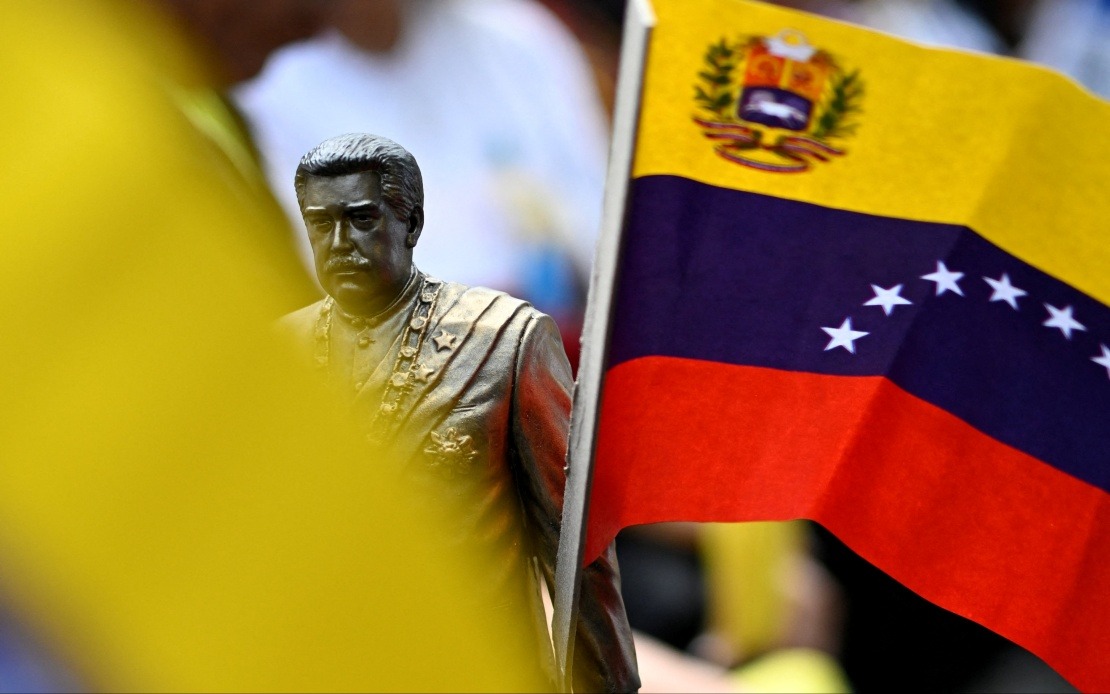
A United States federal judge has set June 1, 2027, as the trial date for Venezuelan President Nicolas Maduro and his wife Cilia Flores on charges of drug trafficking and firearms violations. The decision came during a brief hearing in Manhattan this week, marking the couple's third appearance before a New York court since their contentious seizure by American military personnel in January. Both defendants have entered not guilty pleas to all charges against them.
The case represents an extraordinary turn in US-Venezuela relations and has become a flashpoint for broader debates about international law and military intervention. Maduro's legal team, led by defence attorney Barry Pollack, has signalled their intention to mount a sovereign immunity challenge, arguing that a sitting head of state cannot be prosecuted in foreign courts. If successful, such a motion could potentially derail the entire case without reaching trial, eliminating the need for further litigation on the underlying criminal allegations.
The circumstances surrounding Maduro's detention have drawn fierce criticism from legal scholars, politicians, and civil society groups worldwide. On January 3, US military forces conducted what American authorities describe as a targeted operation in Caracas that resulted in Maduro and Flores being forcibly removed from Venezuela and transported to New York. Since their arrival, the pair has been held at the Metropolitan Detention Centre in Brooklyn, where they remain in custody pending trial. The scale of international condemnation that followed the initial raid surprised many observers, with governments, human rights organisations, and the United Nations expressing serious concerns about the legality and precedent of such military action against a sitting president.
For Malaysian readers and Southeast Asian policymakers, the case carries particular significance given the region's emphasis on national sovereignty and non-interference in internal affairs. The incident challenges fundamental principles enshrined in the ASEAN Charter and raises troubling questions about what constitutes legitimate international law enforcement versus unilateral military action. Several Southeast Asian nations, while maintaining official neutrality on Venezuelan politics, have privately expressed discomfort with the operational model employed by Washington, recognising potential implications for their own regional stability.
Protest activity outside the Manhattan courthouse underscores the depth of public concern about the case. Demonstrators gathered on the day of the latest hearing, with participants ranging from international solidarity activists to members of established anti-war organisations. Allison Gunderson, a protester from Minneapolis, characterised the proceedings as prosecution following an illegal kidnapping, a view echoed by Tom Burke of the Anti-War Action Network, who argued that the abduction, detention, and trial all violate established international law. These voices represent a growing movement questioning both the legality and moral authority of Washington's approach.
Criticism extends beyond street-level activism to established political analysis. Sara Flounders, a prominent US political commentator, noted that Wednesday marked the 200th day since Maduro's detention, positioning the case within a broader pattern of contested American interventions spanning multiple countries. Her remarks connected the Venezuelan situation to ongoing US operations and tensions involving Iran and Cuba, suggesting that observers view these incidents as part of a coherent strategic approach rather than isolated events. This framing resonates particularly strongly in the Global South, where historical memories of intervention remain acute.
The legal strategy employed by Maduro's defence team reflects the complexity of prosecuting sitting or former heads of state in US courts. Barry Pollack's emphasis on the sovereign immunity argument suggests that the defence believes international law provides stronger ground for dismissal than contesting the factual allegations themselves. Under established principles of customary international law, sitting heads of state generally enjoy immunity from criminal prosecution in foreign jurisdictions. The US courts will need to navigate whether this immunity extends to individuals allegedly engaged in criminal conduct, and whether it survives the extraordinary circumstances of military abduction.
The June 2027 trial date provides more than three years for both sides to prepare their cases, conduct discovery, and pursue preliminary motions. This extended timeline reflects the complexity of international criminal cases and the resources required for proper litigation. However, it also means the matter will remain a source of diplomatic tension between Washington and Caracas for years to come, potentially complicating broader US relations with Latin America and other regions sceptical of American unilateralism.
From a Malaysian and Southeast Asian perspective, the case illustrates the broader tension between different conceptions of international order. While the United States positions itself as enforcer of global rules against narcotics trafficking and weapons proliferation, critics argue that bypassing established diplomatic and international legal channels undermines the very institutional frameworks that smaller nations depend upon for protection. The incident demonstrates why countries in the region have historically advocated for strengthening multilateral institutions and international law rather than allowing powerful states to determine justice unilaterally.
The diplomatic fallout extends beyond Venezuela itself. Other nations with complex relationships with Washington, and particularly those with concerns about US military reach, are watching closely how US courts handle the sovereign immunity question. A ruling against Maduro could establish precedent affecting how international law applies to other leaders, while a ruling in his favour might represent a significant constraint on future American prosecutions of foreign officials. Either outcome will reverberate through international relations for years.
The broader implications of this case touch on questions that matter deeply to Malaysian policymakers and the ASEAN community. They concern the proper limits of military force, the role of international courts versus national courts, and whether powerful states should be permitted to unilaterally enforce their conception of justice across borders. As the case proceeds toward trial, these fundamental questions about global order and the rights of nations will remain at the centre of international discourse, making the June 2027 trial date far more significant than a routine criminal scheduling.

