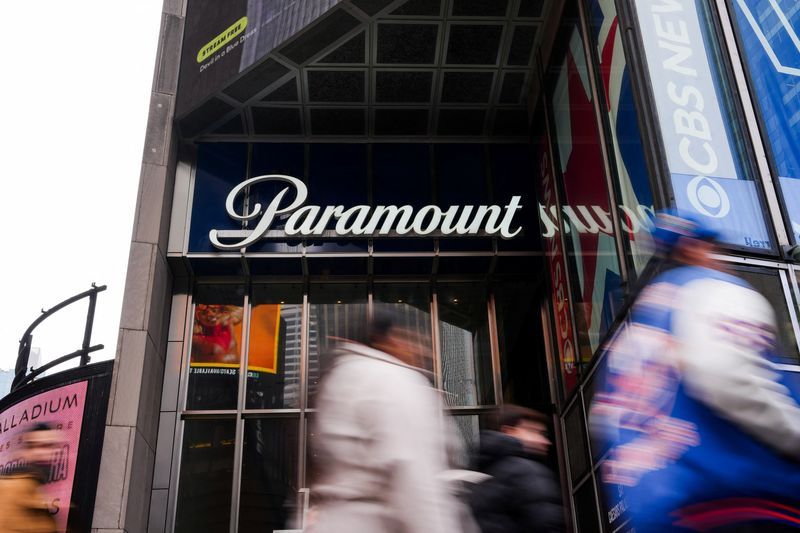
A coalition of twelve American states, led by California, has filed a lawsuit seeking to prevent the merger of two major entertainment giants—Paramount and Warner Bros Discovery—contending that the combination would fundamentally alter competitive dynamics in both theatrical exhibition and cable television distribution. The legal challenge, announced at a press conference in front of the iconic Hollywood sign, represents a significant regulatory obstacle for a transaction that would reshape the American media landscape by consolidating ownership of major film studios and television networks.
California Attorney General Rob Bonta articulated the core concern animating the state lawsuit: that consolidation among film distributors directly threatens the viability of independent and regional cinema operators who remain financially vulnerable following the pandemic's impact on moviegoing habits. The states argue that a merged entity controlling both Paramount and Warner Bros would possess sufficient market power to demand substantially larger cuts of box-office revenue from theater owners, forcing cinemas to compensate through higher ticket prices or deferred infrastructure investments. The complaint specifically warns that theaters would sacrifice quality-of-life amenities—upgraded seating, expanded food offerings, and premium screen formats—that have become essential competitive tools as the industry confronts sustained competition from streaming platforms.
The regulatory challenge stems from economic concentration concerns that extend across two distinct but interconnected markets. The merger would combine two of only five major American film distributors, creating an entity with approximately 27 percent market concentration in theatrical film distribution. Beyond cinemas, the same combined company would control a portfolio of major cable networks including CNN, TNT, Food Network, and HBO, similarly concentrated at above 27 percent in that segment. This dual dominance, the states contend, would eliminate competitive pressure that currently constrains these businesses' ability to demand unfavorable terms from downstream partners—theater operators and cable television providers alike.
The precedent looming largest in the states' litigation strategy involves the 2019 acquisition through which Walt Disney absorbed entertainment assets held by Fox. The complaint highlights a striking contraction in theatrical output following that consolidation: between 2015 and 2018, Disney and Fox combined distributed 112 wide-release films annually, a figure that dropped to merely 54 films across the 2022-2025 period. This trajectory suggests that consolidation among studios directly correlates with reduced production and distribution of theatrical content, potentially leaving theater operators with diminished inventory and therefore weakened negotiating positions regarding the terms under which they exhibit available films.
Theater owners themselves have mobilized around these regulatory concerns with notable coordination. Cinema United, the trade organization representing independent and regional theater chains, welcomed the state lawsuit as essential protection against further industry consolidation. The organization's leadership articulated how local cinema operators serve as cultural and economic anchors within communities nationwide, roles that become increasingly precarious as their bargaining power erodes relative to consolidated studios. Anonymous theater executives quoted in industry commentary expressed particular anxiety regarding the merged entity's capacity to command rental fees approaching 60 percent of box-office proceeds—substantially above the traditional 50-50 revenue split—precisely because a consolidated distributor would eliminate realistic alternatives for theater operators seeking to exhibit major commercial releases.
The financial pressure on exhibition has intensified as pandemic recovery remains incomplete. Box-office receipts across North America stood at $5.1 billion year-to-date in 2026, representing a 10.6 percent increase compared to the previous year but still trailing 2019 pre-pandemic levels by 16.3 percent. This structural deficit in attendance persists despite theatrical operators' aggressive capital investments in facility modernization—enhanced seating comfort, diversified concessions, expanded premium formats—designed to differentiate cinema experiences from streaming alternatives. The states contend that further consolidation would force theater operators to curtail precisely these investments, creating a vicious cycle wherein reduced quality erodes attendance further, accelerating closures among independent and regional operators.
Paramount's response to the litigation has emphasized potential harms to entertainment industry workers who have endured multiple years of employment disruption and technological displacement. The company, led by CEO David Ellison, has characterized the lawsuit as misrepresenting contemporary entertainment competition and applying antiquated antitrust doctrine to a fundamentally transformed industry. Paramount argues that delaying or blocking the transaction would impose cumulative costs on the broader entertainment ecosystem already stressed by streaming's competitive pressure and pandemic aftereffects. The company specifically warned that transaction delays would cost California thousands of entertainment sector jobs while yielding no consumer benefits.
The financial stakes of regulatory delay have grown substantial for Paramount itself. As part of the original merger agreement, Ellison committed to paying Warner Bros Discovery shareholders a quarterly "ticking fee" of 25 cents per share—approximately $650 million every three months—if the transaction fails to close before October. This escalating financial penalty structure creates compressed timelines and intensifies pressure on Paramount to navigate regulatory challenges while minimizing transaction costs, though it simultaneously provides states and opposing parties leverage for extracting concessions or extended negotiations.
The cable television dimension of the merger challenge introduces additional competitive concerns distinct from but complementary to theatrical exhibition worries. The combined entity would control an unparalleled portfolio of basic cable networks, eliminating competition between Paramount's and Warner Bros Discovery's respective channel lineups when negotiating carriage terms with multichannel video programming distributors—cable and satellite television providers that bring these networks into American households. The states argue that cable providers would possess "little choice" but to accept whatever carriage terms the consolidated distributor demands, ultimately resulting in higher cable television bills for American consumers lacking realistic alternatives among content providers.
Meanwhile, the complaint notably does not challenge Paramount's plans to integrate its Paramount+ streaming service with HBO Max, suggesting that regulators view streaming integration as analytically distinct from concerns about theatrical exhibition and linear cable distribution. This regulatory posture reflects evolving antitrust doctrine regarding streaming platforms, where competition remains more fragmented and barriers to entry potentially lower than in traditional theatrical and cable distribution channels. The distinction implies that state officials view the primary competitive harms arising from consolidated control over theatrical distribution leverage and cable network carriage power, rather than from streaming platform consolidation per se.
For Southeast Asian media observers, the litigation carries implications extending beyond American borders. Many of the same entertainment conglomerates operating in North America hold substantial market positions throughout Asian markets, including through theatrical distribution partnerships and cable television operations across regional markets. Regulatory outcomes in major American jurisdictions increasingly influence corporate behavior globally, particularly regarding content production decisions, pricing strategies, and distribution architecture. Should the American states prevail in blocking or substantially restructuring the Paramount-Warner Bros merger, the precedent would likely reverberate through regulatory frameworks in other major markets where similar consolidation trends have generated comparable competitive concerns.

