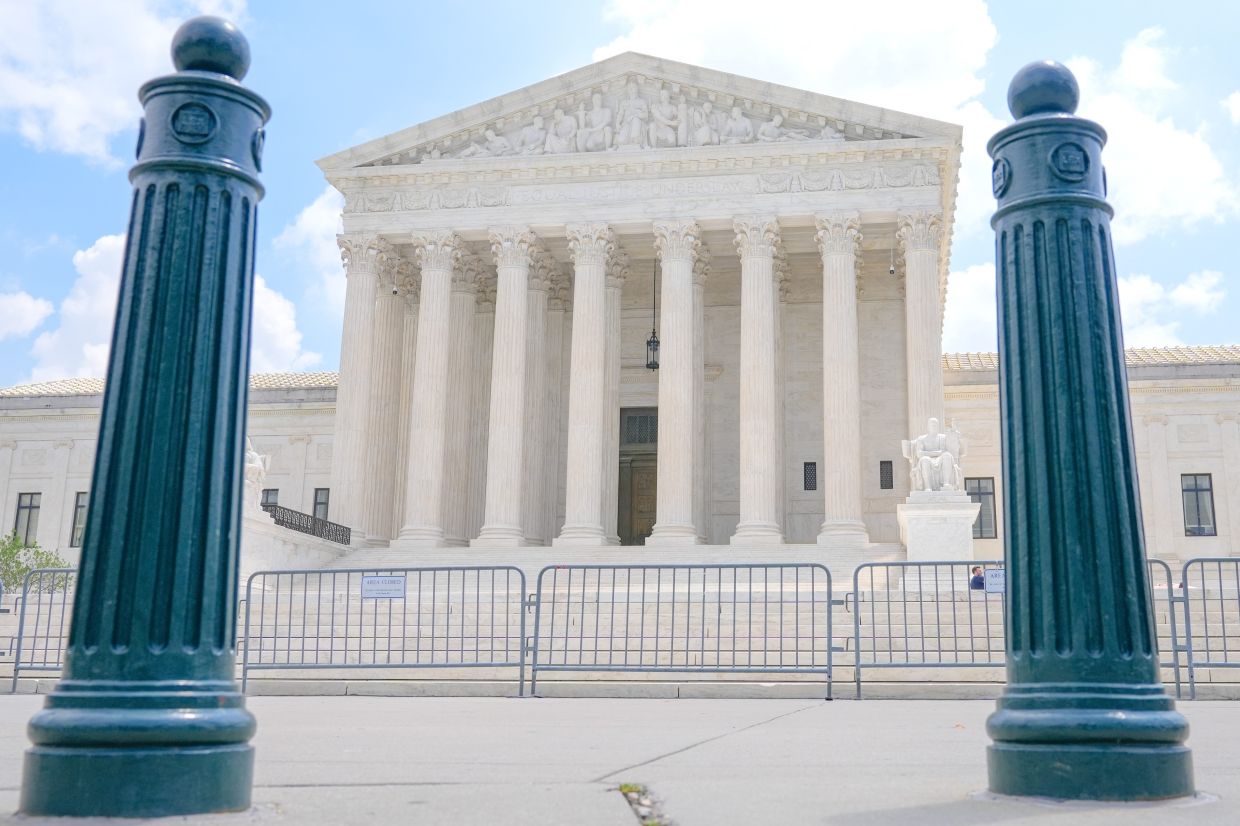
The United States Supreme Court has declined to intervene in a constitutional dispute over Texas's controversial age verification requirement for mobile application downloads, effectively allowing the state law to proceed unchallenged at the nation's highest judicial level. Justice Samuel Alito issued brief orders denying emergency petitions filed by opponents of the Texas App Store Accountability Act, who had sought to prevent the measure from taking effect by arguing it violates fundamental free speech protections. The rejection came after a federal appeals court had already signalled its support for the legislation, creating a significant legal victory for Texas and potentially opening the door for other states to pursue similar digital age-gating measures.
The Texas App Store Accountability Act represents an ambitious attempt by a state government to exert control over the digital marketplace and protect minors from potentially harmful online content. The law essentially mandates that app stores—whether operated by Apple, Google, or other platforms—implement age verification systems before allowing users to download applications. Proponents argue this gives parents and guardians greater oversight of what their children access on smartphones and tablets, addressing concerns about data privacy, inappropriate content exposure, and exploitative apps designed to target young users. The regulatory approach reflects growing state-level frustration with the tech industry's voluntary content moderation practices and perceived inadequacies in protecting child users.
Opponents of the Texas law, however, contend that it represents an unconstitutional intrusion on protected speech rights and creates practical barriers that restrict access to legitimate information for adults and older teenagers. The Computer & Communications Industry Association, a major technology sector lobbying group, joined Students Engaged in Advancing Texas in challenging the legislation through the courts. Their attorneys argued that the age verification requirement impermissibly limits access to constitutionally protected content, including news articles, educational materials, and other speech that adults have a right to access and that may benefit younger users seeking information on health, civics, or other important topics.
The legal arguments presented by the plaintiffs zeroed in on the tension between state authority to protect minors and individual constitutional rights to free speech and access to information. Their legal briefs emphasised that protecting First Amendment protections and parental autonomy—allowing families to make their own decisions about digital content rather than having government mandate restrictions—serve compelling public interests. This framing attempted to reposition parental rights advocates as defenders of freedom rather than opponents of child safety, highlighting the genuine philosophical divide underpinning the dispute. The argument essentially contends that heavy-handed government regulation of app distribution channels is a blunt instrument that sacrifices broader freedoms in the name of protecting children.
Texas Attorney General Ken Paxton's office mounted a vigorous defence of the legislation, emphasising the genuine risks that modern mobile applications pose to children and adolescents. State lawyers characterised the law not as speech restriction but as a reasonable protective measure, pointing to the multifaceted dangers inherent in unrestricted app access. They argued that children with unsupervised access to app stores can download software that exposes them to invasive data collection, sale of personal information to third parties, inappropriate or exploitative content, and privacy violations—often without parental knowledge or consent. This framing positioned the law as protecting children's welfare rather than restricting speech, focusing on the practical harms that unverified app access can produce.
The judicial pathway that brought this dispute before the Supreme Court illuminates the fractured nature of how American courts have approached digital regulation and child protection. A federal district court had previously ruled that the Texas law was unconstitutional, suspending its implementation on the grounds that it violated free speech protections. However, a three-judge panel from the Fifth Circuit Court of Appeals reversed that decision in June, determining that the law could take effect despite the constitutional concerns raised. This appellate reversal essentially validated the state's interest in protecting minors against the concerns about speech restriction, providing the legal foundation upon which the law now proceeds.
Justice Alito's terse refusal to grant emergency relief—communicated through bare one-sentence orders rather than detailed opinions—speaks volumes about the Supreme Court's apparent disinclination to engage deeply with the free speech arguments. The Court's silence on the merits left the appellate court's reasoning standing without scrutiny from the nation's highest bench. This procedural rejection does not necessarily reflect the Court's views on the constitutional questions involved, but it does signal that the justices did not view the plaintiffs' claims as sufficiently compelling to warrant emergency intervention. The refusal to intervene at this stage does not preclude future legal challenges to the law, but it does represent a setback for those seeking to block its implementation.
For Malaysia and the Southeast Asian region, the Texas law's survival carries important implications for understanding how democracies are approaching digital regulation and child safety. As regional governments increasingly contemplate their own digital governance frameworks, the American experience provides instructive lessons about the tensions between protecting minors and preserving open digital markets. Malaysia, like many developing economies, has grappled with balancing child protection objectives against the desire to maintain a competitive, vibrant technology sector. The Texas precedent demonstrates that some jurisdictions are willing to impose substantial regulatory burdens on digital platforms in pursuit of child safety goals, even in a constitutional system that theoretically provides strong free speech protections.
The broader context reveals a global trend toward stricter regulation of digital platforms and their access by young users. The European Union's Digital Services Act, various national approaches to social media regulation, and efforts to restrict content and verify user ages represent converging pressures on technology companies to implement stricter gatekeeping mechanisms. The Texas law fits within this international movement, though it approaches the issue through app store distribution rather than platform content moderation. For Malaysian policymakers and regulators considering their own digital governance priorities, the question becomes whether age verification and app store restrictions represent an effective, proportionate means of achieving child protection objectives without creating unintended consequences for legitimate content access and privacy.
The Computer & Communications Industry Association and similar tech advocacy groups will likely continue pursuing legal challenges to state-level age verification laws through alternative channels. However, the Supreme Court's refusal to intervene suggests that the constitutional pathway to blocking such measures may be considerably narrower than tech companies and digital rights advocates hoped. State legislatures observing the Texas law's legal survival may feel emboldened to pursue similar measures, potentially creating a patchwork of different age verification requirements across the United States. This fragmentation could prove costly for technology companies operating nationally, possibly creating pressure for federal standardisation or leading platforms to adopt verification systems exceeding any single state's requirements.
The long-term implications of allowing state-level digital age restrictions to proceed without Supreme Court scrutiny remain uncertain, but they likely will extend beyond Texas. If other states successfully enact comparable laws without federal constitutional blockage, the cumulative effect could fundamentally reshape how digital platforms operate in America and globally. Companies with multinational operations frequently adopt practices exceeding the strictest jurisdictional requirements, meaning that American age verification standards could influence digital access patterns worldwide. For users and developers across Southeast Asia, American regulatory developments carry weight in shaping the global digital ecosystem and setting expectations for platform behaviour and content governance.

