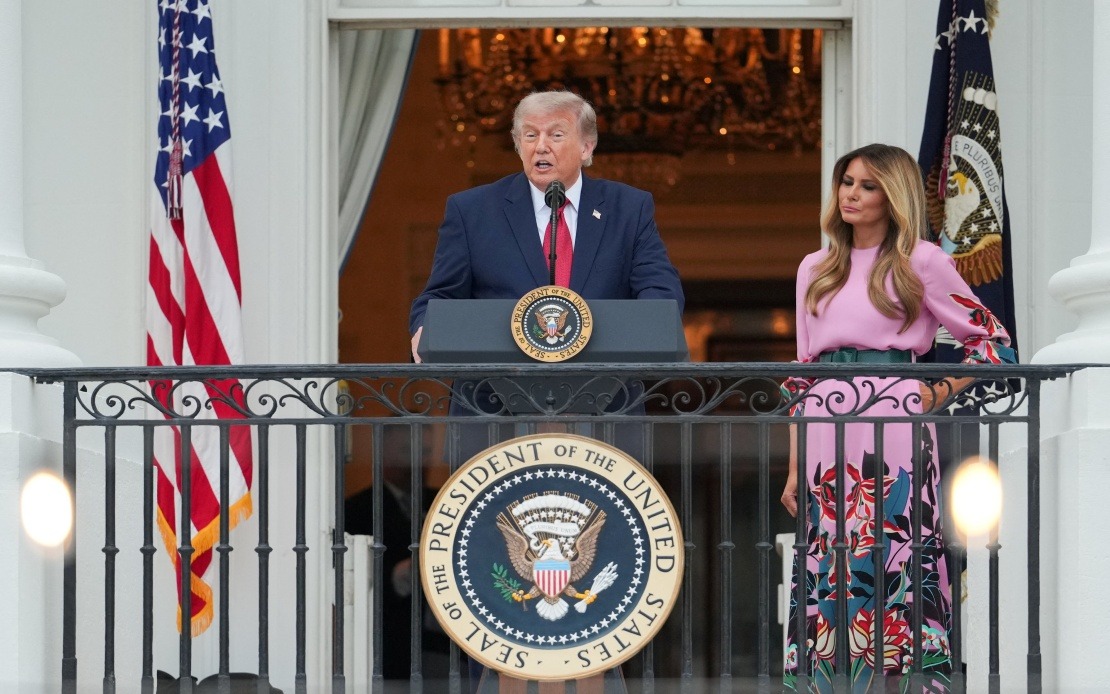
The United States Supreme Court has intervened to permit work on President Donald Trump's proposed ballroom at the White House to resume following a lower court's earlier suspension order. Chief Justice John Roberts issued the temporary suspension of the halt on Friday, effectively allowing construction crews to continue their activities on the presidential grounds. The emergency order will remain active until the Supreme Court makes a final determination on the substantive legal questions surrounding the project.
The ballroom has been the subject of protracted litigation spanning several years, with the anticipated expenditure reaching into the hundreds of millions of dollars. An appellate panel had recently concluded that Trump lacked the authority to proceed without Congressional authorisation, and instructed all work to cease pending further resolution. This ruling prompted the administration to seek emergency relief from the nation's highest court, which Chief Justice Roberts granted through the temporary reprieve.
Preservation advocates and heritage conservation groups have mounted sustained legal challenges to the initiative, arguing that it represents an inappropriate use of resources and threatens the historical integrity of the White House complex. Their primary objections centre on three interconnected concerns: the extraordinary financial commitment involved, the substantial physical footprint of the proposed structure, and the procedural irregularity with which the project was advanced without meaningful public or Congressional consultation. These groups view the ballroom as emblematic of broader concerns about executive overreach and the protection of America's most iconic building.
The administration has consistently defended the project by framing it primarily as a security imperative rather than a luxury amenity. Officials contend that the new facility addresses critical vulnerabilities in the current infrastructure, particularly regarding the nation's capacity to host large-scale diplomatic events while maintaining rigorous protective measures. Trump himself emphasised these security credentials last month, describing the structure as incorporating multiple layers of defence technology. He stated that the completed ballroom would be "bulletproof, drone-proof, missile-proof in many cases" while simultaneously meeting aesthetic standards befitting the presidential residence.
Construction commenced in 2025 on land previously occupied by the White House's East Wing, a historically significant portion of the complex. The planned extension encompasses several thousand square metres of additional space, substantially increasing the capacity for state banquets and ceremonial functions. Current facilities at the residence are comparatively limited in their ability to accommodate simultaneous large diplomatic gatherings, a constraint that the administration argues hampers America's diplomatic flexibility and symbolic presentation.
The legal pathway to this moment has been circuitous, involving multiple court challenges at different levels of the judicial hierarchy. Each time previous obstacles appeared to halt the project entirely, the administration has pursued emergency appeals to higher authorities. The latest Supreme Court intervention suggests the full court will need to engage with fundamental constitutional questions regarding executive authority, Congressional oversight responsibilities, and the balance of power in decisions affecting federal property. The case thus transcends the immediate ballroom dispute to implicate broader principles of governance.
For Malaysian and regional observers, this dispute offers instructive parallels regarding institutional tensions between executive ambition and constitutional checks. Like many democratic systems in Asia and the Pacific, the United States maintains structural mechanisms designed to prevent any single branch of government from exercising unchecked power. The ballroom controversy demonstrates how these safeguards operate in practice, even when pressed by a sitting president commanding substantial political capital. The fact that lower courts were willing to challenge executive action, and that independent judicial review continues, underscores the resilience of American institutional restraints.
The security rationale advanced by the administration reflects genuine vulnerabilities in presidential facilities that have become increasingly apparent in an era of evolving threats. However, critics contend that security concerns can become justifications for expansive projects that might face greater scrutiny if evaluated primarily on their actual necessity. This tension between legitimate protective requirements and the risk of excessive executive discretion resonates across democratic systems grappling with security demands in the contemporary environment.
As the full Supreme Court deliberates the case, it must ultimately determine whether Trump possessed sufficient independent authority to initiate such an ambitious project, or whether institutional design requires Congressional participation in such consequential decisions affecting presidential operations and federal resources. The court's final judgment will establish precedent applicable to future executive initiatives involving major expenditures and physical modifications to federally controlled properties. Until then, construction workers will continue their activities on the White House grounds, the temporary reprieve leaving all parties poised for the ultimate resolution.

