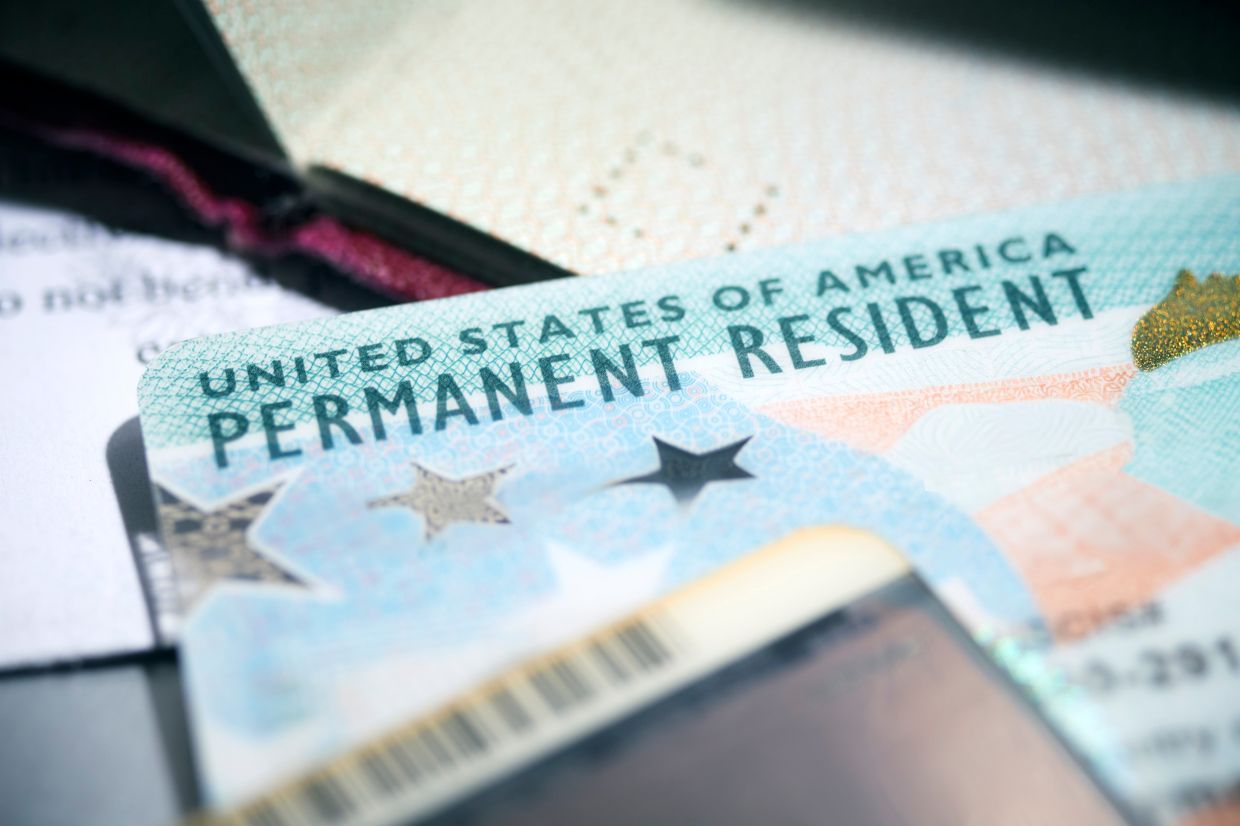
American diplomatic missions across the globe have temporarily halted immigrant visa interviews while staff undergo training in applying a stricter interpretation of the "public charge" doctrine—a legal concept designed to exclude applicants deemed likely to become dependent on government assistance. This administrative pause ripples across continents, affecting hundreds of thousands of visa hopefuls who have already navigated years of bureaucratic processes and invested significant resources in their immigration dreams. The timing is particularly contentious, arriving just days after a federal court invalidated a separate 75-country travel restriction programme that operated on identical philosophical grounds, raising questions about the coherence and legality of the administration's broader immigration framework.
The underlying factors used to evaluate whether someone might become a public charge are themselves unremarkable: age, health, family obligations, financial reserves, educational attainment, professional credentials and employment prospects. Immigration authorities have long weighed these variables against applicant profiles. What distinguishes the current iteration is the explicit directive for consular officers to deploy these criteria far more stringently, with authority to demand public charge bonds—financial guarantees—in borderline cases. This represents a meaningful escalation in administrative practice rather than a change in statutory law, which explains why proponents frame it as clarification while critics view it as a de facto restriction on legal immigration pathways.
Sarah Pierce, a policy director at the Washington-based Third Way think tank and former analyst at the US Citizenship and Immigration Services, characterises the rollout as deliberately disruptive. The Trump administration, she suggests, selected the most operationally chaotic method available for implementing this policy shift. Charles Kuck, an Atlanta-based immigration counsel who has represented over 100 international students in litigation against immigration authorities, reports that training materials explicitly instruct officers on denial strategies under public charge rules. For family-sponsored immigration—historically the primary avenue through which legal permanent residence was granted—the implications are severe. Applicants seeking to bring spouses, parents, or adult children will encounter substantially elevated evidentiary burdens and far greater skepticism from adjudicators.
Preliminary evidence suggests that diversity visa lottery winners face similar intensified scrutiny. These applicants, selected through the annual immigration diversity programme designed to promote geographic and demographic heterogeneity in the American legal immigration system, must receive their visas by September 30 of the fiscal year in which they are selected, creating an artificial deadline that amplifies the disruption caused by indefinite interview postponements. For these individuals, administrative delay functions almost as substantive rejection, since visa allocations expire if unused within the fiscal year. The interview cancellations do not automatically invalidate previously approved petitions or reset priority dates, providing some technical reassurance, though the psychological and financial toll on affected families should not be underestimated.
The practical damage stems from the uncertainty itself. Individuals have sold homes, booked international flights, completed medical examinations, arranged employment start dates, and made life-altering decisions predicated on interview schedules. The State Department has offered no timeline for when normal operations might resume, leaving applicants suspended in bureaucratic limbo. Pierce emphasises that while approved petitions technically remain valid, "the real harm is delay"—a phenomenon that cascades through the lives of extended families spread across multiple continents, creating financial exposure and emotional distress that extends far beyond the visa system itself.
Critically, this freeze applies exclusively to green card interviews conducted abroad. The policy does not directly affect H-1B specialty worker visas, student visas, or tourist documentation, though Kuck notes that public charge analysis could theoretically extend to non-immigrant categories. Presently, however, implementation appears confined to immigrant visa holders seeking permanent residence. Nevertheless, workers already selected for H-1B lottery purposes face their own uncertainties. A proposed fee increase to $103,000 remains under regulatory consideration, and a revamped lottery system awaits implementation, creating multiple layers of potential disruption for skilled professionals whose visas are not yet stamped.
The vulnerability profile is clear: those requiring consular stamps abroad represent the most exposed population. Historically, a properly completed I-864 affidavit of support—a legally binding commitment by a sponsor to ensure an immigrant does not become a public charge—sufficed to overcome public charge concerns in family cases absent unusually significant red flags. Under the new framework, that assurance carries diminished weight. Pierce warns that while aggressive implementation may not constitute a formal legal ban, it risks "functioning like one for certain populations," particularly families with modest means, older applicants, or those with significant health conditions requiring ongoing medical intervention.
The statutory ambiguity surrounding public charge determinations creates operational risk. Kuck emphasises that the statute provides minimal guidance on how officers should weigh these factors, permitting substantial discretion and inconsistency. This vacuum invites what he terms "mischief"—arbitrary decision-making, disparate treatment, and enforcement patterns that vary dramatically by embassy and individual officer. The State Department's insistence on "comprehensive and consistent" application offers thin protection against these outcomes, particularly given that training materials allegedly emphasize denial strategies rather than balanced assessment approaches.
For applicants whose interviews were cancelled, the strategic response depends heavily on individual circumstances. Those without US lawful status should remain in their home countries until interviews resume, avoiding the risks of attempting secondary entry. Individuals already holding work visas that permit re-entry and maintain employment should similarly remain stateside unless travel is unavoidable. Applicants with any form of lawful US status face heightened exposure if they depart for consular visa processing: approval of an underlying petition provides no guarantee that a consular officer will grant the requested visa, and returning to the United States without valid entry documentation becomes problematic under the administration's enforcement priorities.
The enforcement landscape has fundamentally shifted. This administration has substantially amplified immigration enforcement intensity and aggressiveness across asylum, undocumented, and visa overstay contexts. This ambient enforcement pressure means that bureaucratic errors carry substantially higher consequences than they might have under previous administrations. Workers and family members currently in the United States should preserve comprehensive documentation of their legal status, including valid identification documents, I-94 arrival records, employment verification letters, and pay stubs. Those lacking lawful status—including individuals on unlawful 240-day extensions after H-1B authorizations expire, or those with only pending green card or asylum applications—must avoid international travel entirely, as re-entry becomes legally and practically impossible.
New arrivals under this administration face degraded conditions. The fixed maximum period of stay has contracted from open-ended authorization to a defined duration generally not exceeding four years, with the grace period for departure reduced from 60 days to 30 days. These changes affect L-1 intra-company transferees, O-1 individuals with extraordinary ability, and other non-immigrant categories, further constraining the flexibility that international workers and visitors historically enjoyed. For Malaysian readers, these American policy shifts carry direct relevance: Malaysian professionals, families seeking reunification, and diversity visa applicants navigating these systems will encounter substantially more rigorous scrutiny, longer delays, and diminished prospects of approval than in recent years. The narrowing of pathways to American permanent residence reflects broader restrictionist immigration philosophy that will likely characterize US policy for the foreseeable future.

