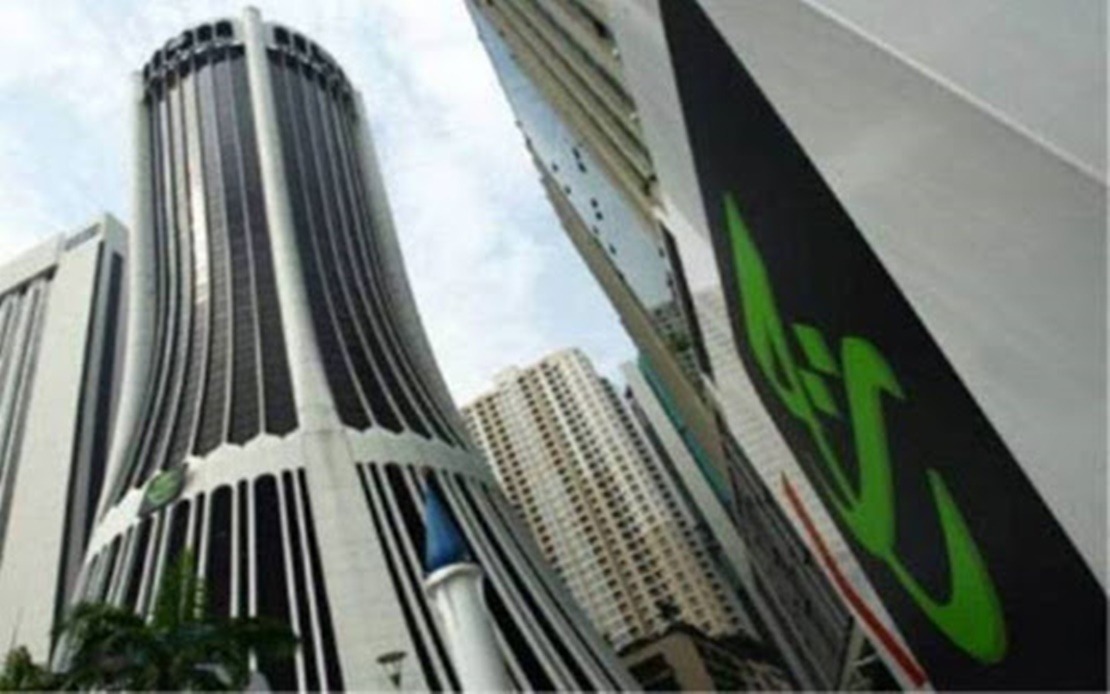
The Royal Commission of Inquiry's examination of Tabung Haji's operations between 2014 and 2020 has exposed a troubling pattern in how the Islamic pilgrimage fund valued its substantial property portfolio. Of the RM4.6 billion in total property asset valuations for 2017, just RM556 million—roughly 12 percent—was substantiated by independent professional valuers' reports. The remaining RM4.044 billion relied entirely on internal management estimates, a practice that experts warn undermines the institution's financial credibility and creates avenues for misleading depositors about the fund's true financial health.
This valuation methodology introduces a fundamental conflict of interest into Tabung Haji's financial reporting. When management personnel are responsible for estimating the value of assets that directly determine their institution's apparent profitability and distribution capacity, they operate under inherent pressure to present optimistic valuations. Prof Emeritus Dr Barjoyai Bardai of Malaysia University of Science and Technology emphasized that whilst this does not conclusively demonstrate intentional manipulation occurred, the absence of independent professional verification removes critical safeguards that exist precisely to counterbalance such organizational incentives. The distinction matters profoundly: management estimates lack the institutional distance and professional accountability that professional valuers bring to their assessments.
The practical consequences of inflated asset valuations extend directly to depositors' pocketbooks through hibah distributions. If Tabung Haji's property portfolio is valued higher than what those assets could realistically be sold for in actual market transactions, the institution's Realisable Asset Value—the figure used to calculate dividend distributions—becomes artificially elevated. Depositors then receive hibah payments predicated on overstated asset positions, essentially consuming accumulated reserves that should theoretically remain intact to preserve the fund's long-term sustainability. This creates a vicious cycle where unsustainable distributions gradually erode the institution's capital base, potentially placing future distributions at risk and compromising the financial security that depositors depend upon.
Dr Barjoyai's recommendations center on establishing robust governance frameworks that would substantially reduce opportunities for valuation distortions. He advocates for high-value properties to undergo regular independent professional valuations employing standardized methodologies grounded in verifiable market evidence rather than subjective internal assessments. More fundamentally, he proposes that RAV calculations themselves be subjected to clear regulatory standards, comprehensive independent audit verification, and oversight by a specialized committee of investment professionals and qualified accountants. These layered review mechanisms would create institutional checks against the concentration of valuation authority in management hands.
Prof Dr Ahmed Razman Abdul Latiff from Putra Business School extends this analysis by examining the governance responsibilities of those charged with overseeing Tabung Haji's operations. Board directors and audit committee members bear fiduciary duties to scrutinize management assumptions rigorously and ensure substantial supporting documentation exists before accepting figures with material financial implications. When dealing with estimates that directly influence hibah distributions affecting millions of depositors, the standard of scrutiny should scale proportionally to the stakes involved. Yet the RCI findings suggest this heightened oversight did not occur consistently, raising questions about whether governance bodies performed their oversight functions adequately.
A particularly troubling aspect involves the PricewaterhouseCoopers audit observations documented in the RCI report, which noted that RAV calculations diverged fundamentally from figures reported in Tabung Haji's own audited financial statements. Rather than using the asset and liability values disclosed to the public through official financial reporting, management instead employed the inflated RAV figures to justify hibah distributions. This disconnect between internal valuation methodologies and publicly reported financial positions suggests a systematic approach to calculation that prioritized distribution capacity over transparent financial reporting. When the same organization maintains two separate sets of asset valuations—one for public disclosure and another for distribution decisions—reasonable observers question whether either set accurately reflects economic reality.
The RM2.294 billion attribution to TH Plantations Berhad within the broader RAV calculation further illustrates how management estimates can cascade through interconnected valuations, amplifying distortions. When subsidiary or affiliate company values themselves depend on subjective assessments, incorporating these figures into the parent institution's asset base compounds the reliability problems. The RCI report also noted that management failed to make downward adjustments to investments whose market values had collapsed to minimal levels, suggesting a systematic bias toward maintaining high valuations regardless of changed economic circumstances. This selective application of conservative accounting principles—maintaining optimistic valuations whilst ignoring deteriorated asset values—reveals a directional bias in estimation practices.
TH management's argument that Section 22 of the Tabung Haji Act 1995 provided insufficient clarity on asset definitions, thereby justifying their independent valuation methodology, represents a concerning interpretation of regulatory ambiguity. Rather than defaulting toward conservative estimates when facing unclear legislative guidance, management instead embraced expansive interpretations that maximized reported asset values. This approach stands in contrast to basic principles of financial prudence, which suggest that when regulatory language permits multiple interpretations, organizations should adopt the approach most protective of stakeholder interests. For a depositor-based institution like Tabung Haji, conservative interpretations that understate rather than overstate distribution capacity would better serve constituent protection.
The timing and context of these revelations matter significantly for Malaysian financial governance discourse. Tabung Haji serves over 9.7 million registered depositors, making it one of Malaysia's most important Islamic financial institutions. Its operational integrity directly affects a substantial proportion of the Muslim population's retirement security and savings confidence. When governance failures of this magnitude occur within major financial institutions, they reverberate beyond individual organizational concerns to raise broader questions about regulatory effectiveness and institutional accountability across Malaysia's financial sector. The RCI's public disclosure of these deficiencies represents both an opportunity and an obligation to implement systemic improvements.
Moving forward, regulatory and governance authorities face critical decisions about strengthening Tabung Haji's operational frameworks. Implementing Dr Barjoyai's recommendations for independent valuations, clearer RAV calculation standards, and enhanced committee oversight would require legislative amendments and substantive operational restructuring. However, the costs of implementing these safeguards appear modest compared to the systemic risks of allowing unsupervised management estimation to continue determining distribution decisions for one of Malaysia's largest institutional asset pools. The RCI report provides detailed documentation of how governance gaps created financial risks; policymakers now must decide whether to act decisively on these findings or permit similar patterns to persist.

