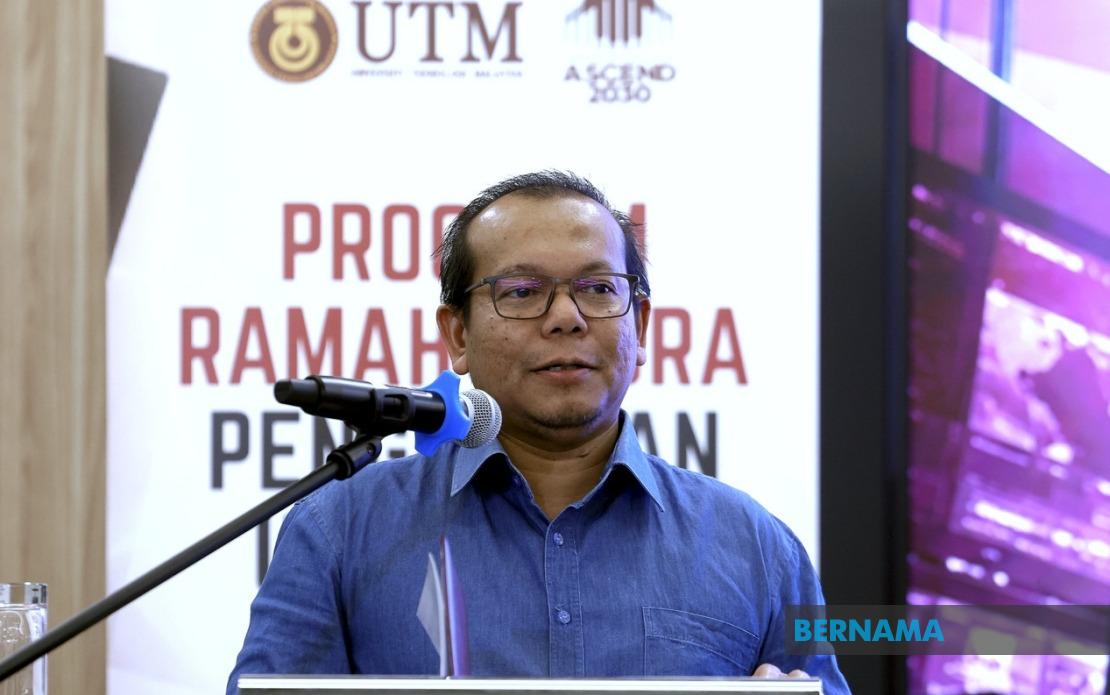
Universiti Teknologi Malaysia (UTM) is moving to deepen its partnership with media organisations, recognising that strong working relationships with journalists are essential for conveying accurate information and research-backed narratives to the public. This strategic shift came into focus at the University Management's Media Networking Session, where Vice-Chancellor Prof Dr Mohd Shafry Mohd Rahim outlined the institution's commitment to closer collaboration with news agencies and media practitioners.
The initiative reflects a broader concern among Malaysian universities about the speed at which misinformation can spread and damage institutional credibility. According to Prof Mohd Shafry, building a university's reputation takes decades of consistent effort and quality work, yet inaccurate negative portrayals in the media can erode public trust remarkably quickly. In an increasingly digital and polarised information environment, universities are vulnerable to baseless allegations and distorted criticism that can have far-reaching consequences. The reputational damage extends beyond the institution itself, potentially affecting student recruitment, research partnerships, and public perception of Malaysia's higher education sector on the international stage.
To address these challenges, UTM is taking concrete steps to embed itself within media networks and offer tangible support to journalists covering higher education and research topics. The university intends to launch training programmes focused on artificial intelligence for media professionals, recognising that AI literacy is now essential for quality reporting across multiple sectors. Beyond skill-building initiatives, UTM is also positioning its faculty members and subject-matter experts as reliable reference sources for journalists working on complex academic stories. This approach aims to reduce reliance on sensationalised narratives or uninformed commentary by ensuring journalists have direct access to qualified voices who can explain research findings and university initiatives in clear, accurate language.
The networking session drew participation from senior representatives of Malaysia's state news agency, including Bernama Chief Executive Officer Datin Paduka Nur-ul Afida Kamaludin and Acting Deputy Editor-in-Chief (Economic News Service) Harlina Samson. The presence of Bernama officials underscores the importance of the collaboration, as the national news agency serves as a primary source for many regional and international outlets covering Malaysia. Strengthening ties with Bernama could significantly amplify the reach and accuracy of information about UTM's research activities and institutional developments.
Prof Mohd Shafry emphasised that these partnerships must be built on mutual understanding and transparent communication. He acknowledged that universities face legitimate scrutiny and that media organisations have a responsibility to investigate and report critically. However, the key is ensuring that such scrutiny is grounded in fact-checking and direct engagement with institutional representatives rather than speculation or unverified claims. By facilitating regular dialogue and providing journalists with prompt, detailed explanations of university developments, UTM hopes to create a feedback loop where media coverage becomes more informed and contextualised.
The mechanics of disseminating research findings are also undergoing review at UTM. The university is developing new systems and processes to ensure that significant discoveries and innovations conducted by its researchers reach journalists and the general public in a timely manner. Many academic breakthroughs languish in obscurity because universities lack effective publicity channels or journalists lack awareness of the research being conducted. By streamlining this process and making research more accessible to media practitioners, UTM aims to amplify the visibility and societal impact of its work while simultaneously providing journalists with compelling, substantive stories that can compete with sensationalism.
For Malaysian and Southeast Asian readers, this initiative has broader implications for how information flows within our region. Universities in Malaysia, Singapore, Indonesia, and elsewhere function as engines of innovation and knowledge production, yet their contributions are often underreported or misrepresented in popular media. Strengthening university-media partnerships could help combat the misinformation landscape that increasingly affects public discourse on science, technology, education policy, and institutional credibility. When journalists have better access to expert voices and understand complex research, the quality of public debate improves markedly.
The challenges UTM identifies are not unique to Malaysia's flagship technology university. Institutions across Southeast Asia grapple with negative coverage rooted in misunderstanding, political opportunism, or deliberate distortion. In some cases, universities have been drawn into national political controversies despite their attempts to remain neutral knowledge institutions. Stronger proactive media engagement offers one protective strategy, allowing universities to shape the narrative around their activities rather than remaining passive subjects of journalistic scrutiny.
Prof Mohd Shafry's emphasis on maintaining Malaysia's global competitiveness in higher education also carries weight. International rankings, research reputation, and the ability to attract top-tier students and researchers increasingly depend on positive media coverage and public perception. When inaccurate information dominates discourse about Malaysian universities, it diminishes the country's standing in global academic networks. Conversely, well-coordinated media engagement can highlight genuine achievements and position Malaysian institutions as serious contributors to regional and global knowledge ecosystems.
The collaboration also signals a recognition that universities can no longer expect journalists to independently fact-check complex academic claims or seek expert commentary. In an era of shrinking newsroom budgets and compressed timelines, media organisations increasingly rely on institutional press releases and provided expertise. Universities that fail to provide this support often find their work either ignored or misrepresented. UTM's approach acknowledges this reality and attempts to be a supportive partner rather than a defensive critic of journalism.
Looking forward, the success of this initiative will depend on sustained commitment from both sides. Journalists must maintain editorial independence and critical distance, while universities must respect deadline pressures and the legitimate role of scrutiny. Trust cannot be manufactured through training programmes alone; it must emerge from consistent, honest engagement over time. If UTM and other Malaysian universities can model this kind of mature partnership with media organisations, it could set a precedent for stronger institutional communication practices across the region's higher education sector.

