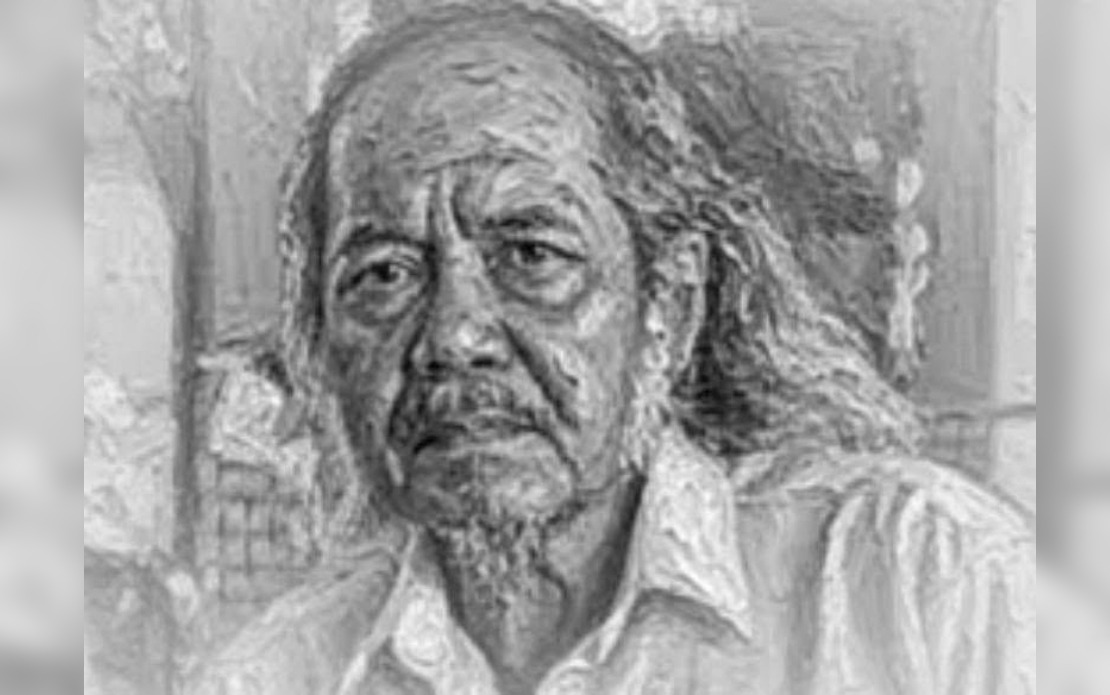
The Malaysian film and television industry has lost one of its most respected character actors with the passing of Kamarozaman Yusoff, popularly known as Cik Man, who died on August 5 at the age of 68 following heart complications at Tanah Merah Hospital in Kelantan. The Malaysian Artistes' Association (SENIMAN) has issued a statement honouring his substantial impact on the nation's creative landscape, acknowledging him as a pivotal figure whose artistry transcended the typical boundaries of mainstream entertainment.
According to SENIMAN secretary-general Hafiz Nafiah, Cik Man's departure represents a profound setback for Malaysia's arts sector. The late actor spent more than four decades cultivating a distinctive presence on screen and stage, distinguishing himself through performances marked by authenticity and emotional depth. His work was characterised by a particular connection to Kelantan's linguistic and cultural identity, with his use of the regional dialect becoming an integral element of his public persona. This regional authenticity set him apart in an industry often dominated by Kuala Lumpur-centric productions and performers.
Despite achieving considerable prominence within the entertainment world, Cik Man remained notably disinclined to chase celebrity status or public accolades. Instead, his reputation was built on unwavering professionalism, rigorous discipline, and a genuine commitment to advancing the craft of acting in Malaysia. These qualities earned him substantial esteem among his peers and younger performers who looked to him as a model of artistic integrity. Hafiz emphasised that such dedication, measured not in awards or tabloid coverage but in the respect of fellow professionals, constitutes perhaps the truest form of achievement in the performing arts.
The trajectory of Cik Man's career illuminates the evolution of Malaysian cinema across several decades. He first captured significant public attention through his portrayal of Farouk in the 1986 film Gila-Gila Remaja, a role that demonstrated his capacity to anchor narratives with compelling character work. Following this breakthrough, he systematically built a filmography that reflected both the commercial and artistic aspirations of Malaysian cinema during a period of considerable creative experimentation. Films such as Rozana Cinta 87, Rock, Rock Oo!, and Rock Bro! showcased his versatility across different genres and tonal registers.
However, it is perhaps his involvement in the Rock film trilogy directed by the late Mamat Khalid that most securely established Cik Man's place in Malaysian cinema history. The character he created within this series has become iconic, representing a particular strain of Malaysian popular entertainment that balanced humour with social observation. The trilogy maintains cultural resonance among local audiences decades after its original release, a testament to the durability of Cik Man's performance. His work in these films continues to be referenced, quoted, and celebrated by viewers across generational lines, indicating the depth with which his characterisation penetrated the collective memory of Malaysian cinema audiences.
Beyond his film work, Cik Man demonstrated range through involvement in television drama productions, most notably the series Banyak Chanteq, which expanded his reach into households across the country. His appearances in productions such as Cerita Hantu Malaysia and Tiada Tajuk further demonstrated his willingness to engage with diverse storytelling approaches and production scales. This breadth of experience across multiple platforms and formats reinforced his status as a consummate professional capable of adapting to different creative demands while maintaining artistic consistency.
The significance of Cik Man's contribution to Malaysian arts extends beyond the immediate realm of entertainment into the broader cultural conversation about national identity and artistic expression. His prominent use of regional dialect and his grounding in Kelantan culture represented a valuable counterbalance to the homogenising tendencies of centralised media production. By bringing authentic regional voices and perspectives to mainstream audiences, he contributed to a more diverse and nuanced representation of Malaysian society on screen. This regional representation matters considerably in a nation as geographically and culturally varied as Malaysia.
Hafiz Nafiah's statement underscores the understanding that an artist's true legacy does not terminate with death but rather becomes crystallised, existing within the body of work already created and within the influence that work continues to exercise. The films, television programmes, and performances in which Cik Man participated remain accessible to current and future audiences, continuing to entertain, move, and inspire viewers who engage with them. In this sense, his presence within Malaysian culture persists through the tangible artefacts he left behind.
SENIMAN's formal acknowledgement of his contributions serves to formally enshrine Cik Man's status within the institutional memory of Malaysian arts, ensuring that younger performers and industry professionals will understand his historical importance. The association's expression of collective grief signals that the loss extends beyond a single individual to encompass the diminishment of a particular kind of artistic authenticity and professional dedication. For the local film and television community, Cik Man's passing marks the end of an era characterised by a particular approach to character work and regional representation that may become increasingly difficult to replicate in contemporary media landscapes.

