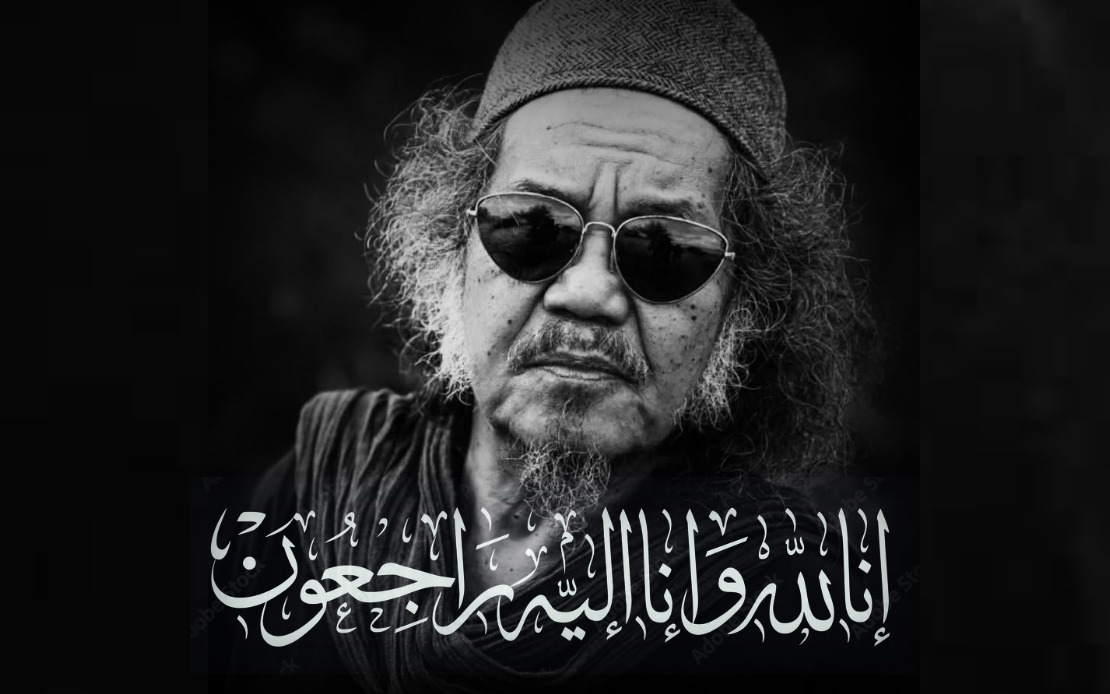
Kamarool Yusoff, the veteran Malaysian actor best remembered for his memorable portrayal in the popular comedy series Gila-gila Remaja, passed away on Monday at the age of 68. The entertainment personality, who was affectionately known as Cik Man throughout his career, succumbed to a heart ailment while undergoing medical treatment at Tanah Merah Hospital in Kelantan. His passing marks the end of an era for Malaysian entertainment, as he was among the generation of performers who helped shape the nation's comedy landscape during the height of local television productions.
News of his death spread quickly through social media on the evening of his passing, with comedian Mohammad Amirullah Azmi, professionally known as Amir Raja Lawak, being among the first to publicly share the information through Facebook. In his tribute, Amir Raja Lawak extended his sympathies to the deceased actor's family members, acknowledging the significant contribution Kamarool had made to Malaysian entertainment over the decades. The announcement prompted an outpouring of tributes from fellow entertainers and fans who remembered his distinctive comedic timing and memorable character portrayals that had entertained audiences across multiple generations.
Ahmad Fakhrol Aliff, Kamarool's 23-year-old son, confirmed the details of his father's death when contacted by news agencies. He revealed that his father breathed his last at 5.30 pm while receiving treatment for his cardiac condition at the Kelantan hospital. Despite the suddenness of the announcement, the family began making arrangements for the funeral rites, though the specific location for the ceremony had not been finalised at the time of reporting. The family's immediate response to the public indicated their intention to ensure that his passing would be properly commemorated, given his standing in the Malaysian entertainment fraternity.
Kamarool Yusoff's real name was Kamarozaman Yusoff, and he was also known professionally by other stage names including Farok during his lengthy career in local entertainment. His ascent to stardom came through his compelling portrayal of a villainous character in Gila-gila Remaja, a comedy series that achieved significant popularity among Malaysian television viewers. The role allowed him to demonstrate his versatility as a performer, successfully balancing comedic moments with darker character elements that made the antagonist memorable and engaging to audiences.
The Gila-gila Remaja series itself occupies an important place in Malaysian television history as a production that helped establish the template for local comedy entertainment during a formative period in the nation's broadcasting development. The show's success stemmed in large part from its cast's ability to create characters that resonated with viewers across different demographics and age groups. Kamarool's contribution to this ensemble cast proved instrumental in establishing the show as a cultural touchstone for several generations of Malaysians who grew up watching the programme during its original run and subsequent reruns.
Throughout his career, Kamarool managed to maintain a connection with the entertainment industry and his fans, despite the evolving landscape of Malaysian television and the rise of new forms of media. His longevity as a recognisable figure in entertainment speaks to the lasting impact of his work and the affection with which audiences held him decades after his most celebrated roles. The continued reference to his character name Cik Man by fans and fellow entertainers underscores how thoroughly this role had become intertwined with his public identity and legacy.
The passing of entertainers from this era often prompts broader reflection within Malaysian society about the evolution of local entertainment and the preservation of cultural heritage. Kamarool's generation of performers operated during a time when Malaysian television was still establishing its own distinctive character, separate from international imports. These local productions and the personalities who starred in them became important markers of national cultural identity, creating shared experiences that bonded viewers across the country.
For younger Malaysians who may not have watched Gila-gila Remaja during its original broadcast, Kamarool's death serves as a reminder of the rich archive of locally-produced entertainment that exists in the nation's television history. The availability of classic Malaysian television episodes through streaming platforms and digital archives has introduced these productions to new audiences, allowing them to discover the performances of actors like Kamarool who helped pioneer the medium within Malaysia. His work continues to entertain viewers who encounter it for the first time or who revisit it with nostalgia.
The death of established entertainment figures also raises questions about the care and recognition accorded to aging performers in the Malaysian entertainment industry. Unlike some countries that have formal systems for honouring retired entertainers or providing support networks, Malaysia has historically relied more on informal acknowledgment and family support structures. Kamarool's passing might prompt renewed discussion about how the nation values its cultural pioneers and whether more systematic approaches to performer welfare could be implemented.
As the Malaysian entertainment industry continues to evolve with new technologies, platforms, and audience preferences, the contributions of performers like Kamarool Yusoff remain anchored in the collective memory of the nation's viewers. His role in Gila-gila Remaja ensured that he would be remembered not merely as an actor, but as a cultural figure who participated in creating shared entertainment experiences that defined a particular moment in Malaysian popular culture. The legacy of such performers often extends far beyond their individual achievements, influencing how subsequent generations of entertainers approach their craft and understanding the possibilities of local production.

