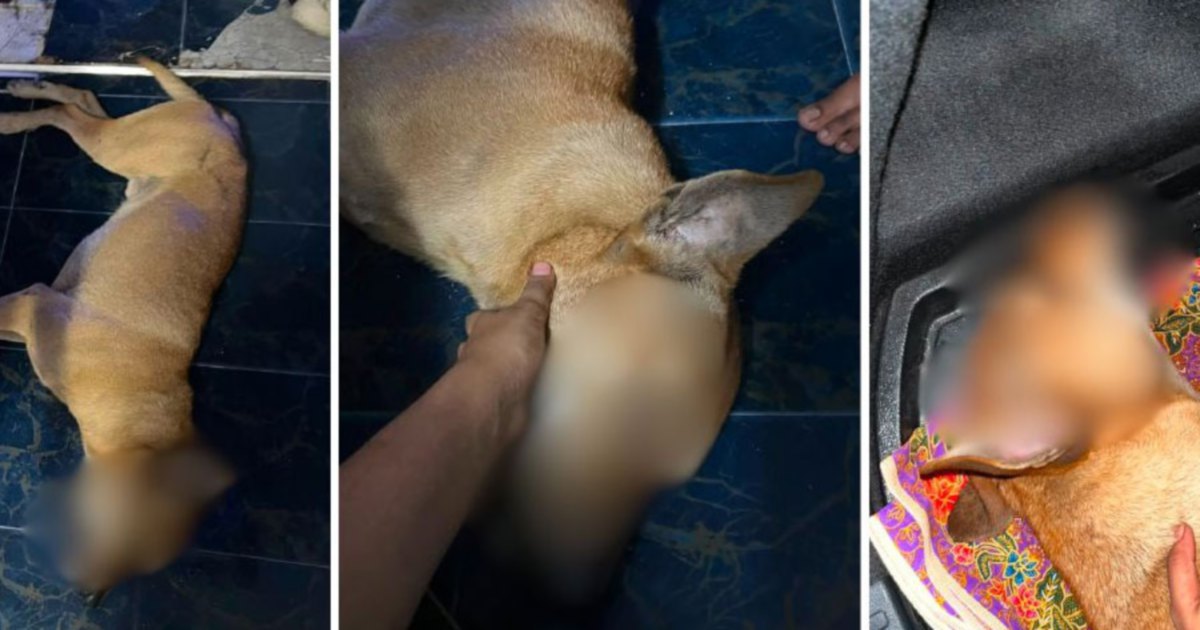
The Selangor Department of Veterinary Services has initiated formal criminal proceedings in connection with the alleged abuse of Rocky, an animal that became the subject of widespread public concern after a video documenting the incident circulated online. The department's decision to lodge a police report represents a significant escalation in the handling of the case, signalling official recognition of the seriousness of the allegations and the need for law enforcement intervention.
Beyond the filing of the police complaint, the DVS has been systematically collecting witness accounts from multiple individuals connected to the case. This methodical approach to gathering evidence is typical of animal welfare investigations in Malaysia, where authorities must establish a clear chain of custody and credible testimony to support any potential prosecution. The process of recording formal statements allows the DVS to preserve evidence while ensuring that accounts remain consistent with what may eventually be presented in court.
The emergence of video footage documenting animal abuse has become an increasingly common trigger for public outcry and regulatory action across Malaysia and the wider Southeast Asian region. Such visual evidence, particularly when shared through social media platforms, often accelerates official responses and brings cases that might otherwise remain localized incidents into the national spotlight. The Rocky case exemplifies this pattern, where community concern has translated into concrete investigative steps by the relevant authorities.
Animal welfare matters fall within the purview of state-level veterinary departments in Malaysia, giving the Selangor DVS primary responsibility for investigating abuse allegations within its jurisdiction. The involvement of police, however, indicates that the case may cross into territory governed by the Animal Welfare Act, which contains criminal penalties for persons convicted of causing unnecessary suffering to animals. This dual-agency approach ensures that both welfare standards and criminal statutes are properly evaluated.
The decision to record statements from multiple witnesses suggests that the DVS recognizes the need to build a comprehensive factual foundation. These interviews may involve individuals present at the time of the alleged abuse, those who documented the incident, and potentially experts who can provide context regarding normal animal care practices and what constitutes actionable harm. The witness statements serve as critical elements that can either corroborate or challenge the allegations contained in the video evidence.
Police involvement in animal cruelty cases in Malaysia has historically been variable, with some incidents receiving prompt law enforcement attention while others languish without action. The escalation in the Rocky case suggests that either the evidence is particularly clear or public pressure has motivated a more robust response. Such inconsistency in how similar cases are handled remains a point of concern for animal welfare advocates, who argue for more standardized protocols across all police jurisdictions.
The investigation's progression from DVS inquiry to formal police involvement also raises broader questions about the adequacy of existing animal protection frameworks. Malaysia's primary animal welfare statute dates back several decades, and enforcement mechanisms have been criticized as insufficiently resourced and inconsistently applied. Cases like Rocky's can serve as catalysts for reviewing whether current laws and enforcement structures adequately protect animals from abuse.
For residents of Selangor and observers across Malaysia, the DVS action demonstrates that viral video documentation of animal cruelty can trigger official consequences. This recognition may embolden other members of the public to report suspected abuse incidents rather than assuming authorities will overlook them. Conversely, the heightened attention also creates pressure on law enforcement to move expeditiously through investigations and reach conclusions that satisfy public expectations.
The gathering of statements also creates an opportunity for the DVS and police to explore whether the alleged abuse represents an isolated incident or part of a broader pattern of mistreatment. In some animal cruelty cases, investigation reveals systemic neglect or intentional harm extending beyond what appears in initial video evidence. A thorough witness interview process can uncover such patterns and guide whether investigators should examine related incidents or expand their inquiry to other locations or time periods.
As the investigation proceeds, the DVS will need to balance ensuring the integrity of its findings while managing public expectations for swift resolution. In high-profile cases involving animal welfare, communities often expect rapid conclusions and visible accountability. However, thorough investigations require time to verify facts, obtain expert opinions, and ensure that any charges brought can withstand judicial scrutiny. The formal recording of witness statements represents just one phase of what is likely to be a longer investigative process.
The case also highlights the evolving role of social media in animal welfare advocacy within Malaysia. The ability of concerned citizens to document alleged abuse and share it widely has created a new mechanism for bringing cases to official attention. While this democratization of reporting can drive positive outcomes, it also introduces challenges around verification, context, and potential misinformation that authorities must carefully navigate when responding to allegations based primarily on viral video evidence.

