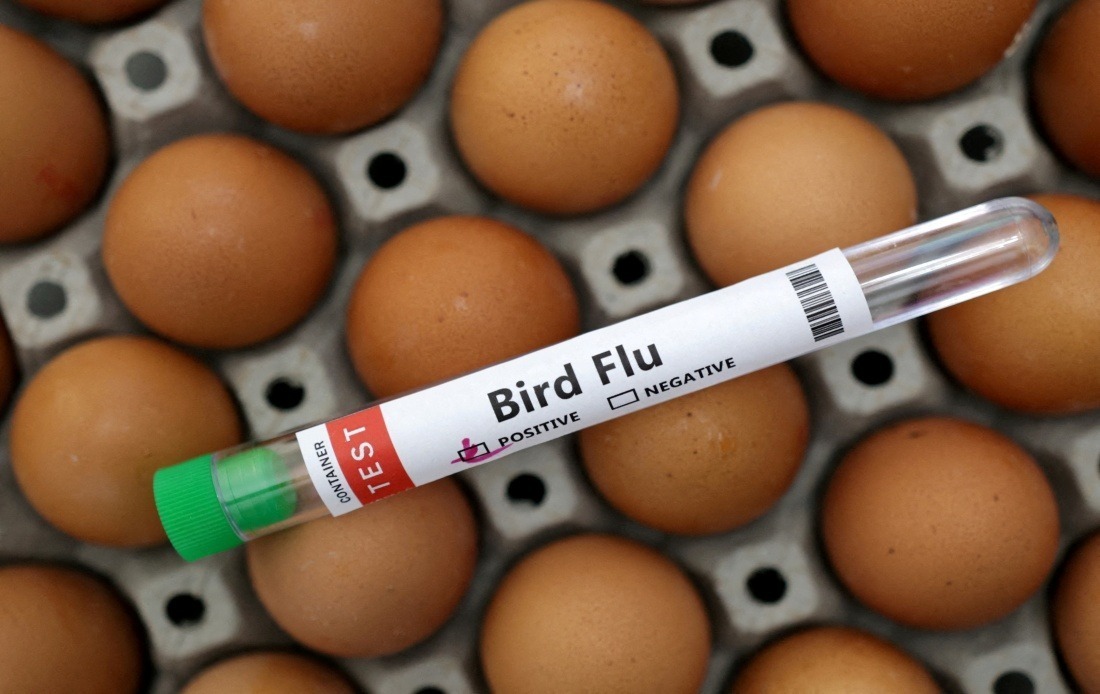
Australia's Victoria state has become the nation's first jurisdiction to impose a mandatory indoor housing requirement for poultry, marking an escalation in the country's response to escalating H5N1 avian influenza detections. The directive requires all poultry producers with more than 50 birds to keep flocks confined indoors, initially for a two-week period, building upon voluntary guidelines that had previously been in place across the farming sector.
Agricultural officials framed the decision as a precautionary intervention designed to minimise contact between domesticated poultry and wild bird populations that may carry the virus. Agriculture Minister Michaela Settle characterised the mandatory housing order as a proactive step intended to safeguard Australia's agricultural production system from potential infection pathways. The approach reflects growing confidence among policymakers that preventing direct exposure remains the most effective containment strategy currently available.
Victoria's Chief Veterinary Officer Graeme Cook cited emerging detections in multiple localities—Yambuk, Apollo Bay, and Clyde—as the primary catalyst for strengthening enforcement measures. The geographic spread of confirmed cases into previously unaffected regions prompted authorities to transition from voluntary cooperation to legally binding requirements, signalling concern about the virus's expansion trajectory across the state's agricultural zones.
National authorities have documented a substantial accumulation of confirmed or presumed positive cases. Australian Chief Veterinary Officer Beth Cookson reported an additional 20 positive detections in Victoria, all identified in greater crested terns concentrated in the Portland and Nelson coastal areas. The cumulative national tally now stands at 175 confirmed or presumed positive H5 bird flu detections based on laboratory-tested samples, though officials emphasise that these cases remain concentrated in wild bird populations rather than commercial farming operations.
A critical distinction underpins official messaging: despite widespread detections across the nation, Australian authorities have recorded no confirmed cases in managed poultry farms or commercial agricultural production systems. This separation between wild bird infections and domestic farming operations has been central to public health assurances. Officials maintain that the risk to human populations remains exceptionally low, given the epidemiological patterns observed thus far and the limited interface between infected wild birds and human populations.
The outbreak's implications have rippled beyond farming communities. The Royal Adelaide Show, South Australia's major annual agricultural exhibition, announced the cancellation of its bird and poultry exhibits scheduled for the coming month. This decision reflects broader institutional caution about large gatherings of birds during an active outbreak period, even in states where detections remain concentrated in specific regions.
For Malaysian readers, the Victorian situation offers instructive parallels to Southeast Asian biosecurity challenges. The region's poultry industries represent critical food security infrastructure, with millions of households and commercial operations dependent on consistent egg and meat production. Australia's shift from voluntary to mandatory controls demonstrates how rapidly regulators may escalate interventions when case numbers accelerate, a pattern worth monitoring should avian influenza establish footholds in major regional production centres.
The Victoria lockdown also underscores the administrative complexity of disease containment in federal systems. State-level authorities must balance production continuity against epidemiological precaution, a calculus that becomes more difficult as confirmed cases multiply across geographic boundaries. The 14-day timeline suggests officials anticipate either suppression of transmission within this window or planned expansion of quarantine measures if detections persist.
For Australian agricultural exporters, including those with Southeast Asian markets, the outbreak carries economic implications. While no production-system infections have occurred, the appearance of biosecurity concerns can influence buyer behaviour and regulatory scrutiny. Countries importing Australian poultry products may demand enhanced certification or testing protocols, even if the immediate disease risk remains concentrated in wild bird populations.
The outbreak also highlights the distinction between detection capacity and actual disease prevalence. Australia's robust surveillance infrastructure—capable of identifying multiple positive cases in wild birds—reflects investment in monitoring systems that many developing nations lack. This surveillance advantage simultaneously creates public awareness of avian influenza presence, requiring careful communication to prevent unnecessary alarm while maintaining genuine biosecurity vigilance.
Victoria's transition to mandatory controls signals confidence in enforcement capacity and coordination between agricultural producers and regulators. Unlike voluntary measures, which depend on compliance motivation, mandatory housing requirements shift responsibility to authorities for consistent monitoring and compliance verification. The success of this approach over the next 14 days will likely shape regulatory approaches across other Australian jurisdictions and potentially influence biosecurity policy discussions throughout the Asia-Pacific region.

