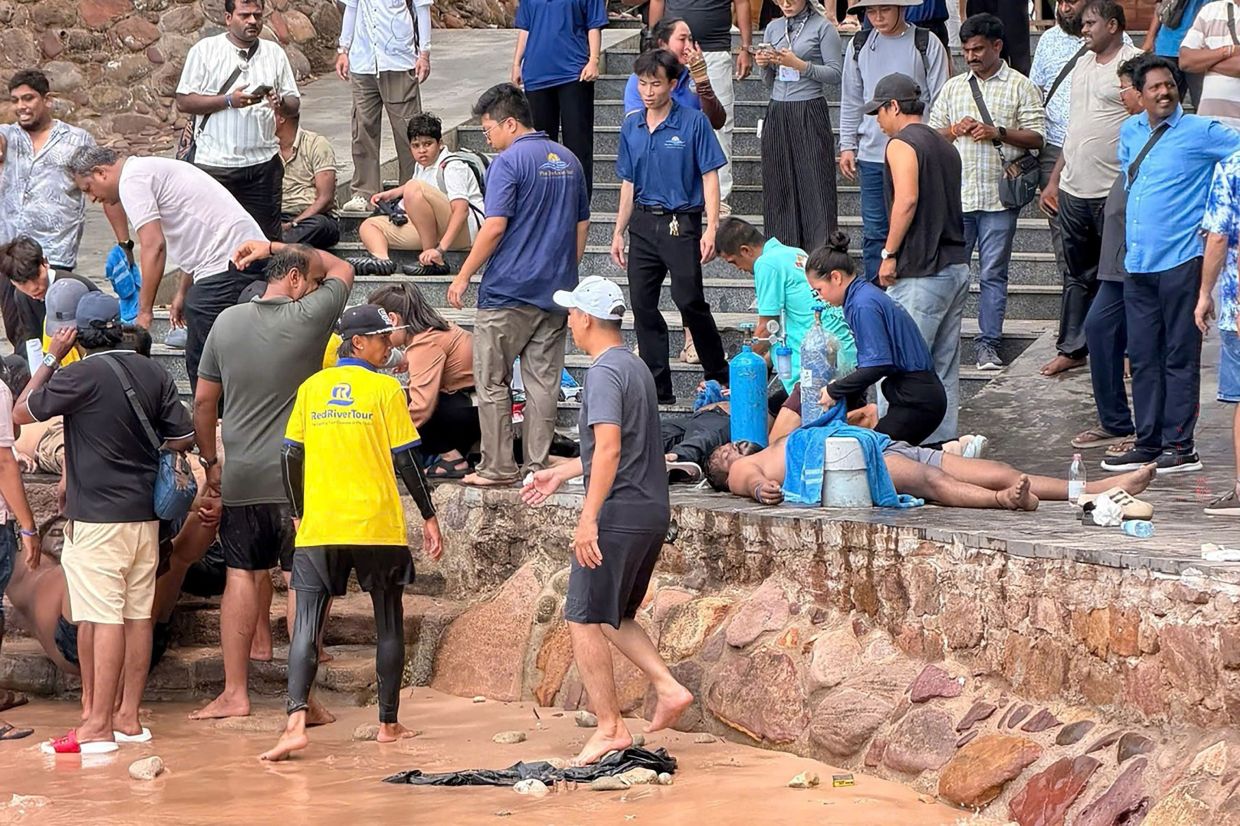
Vietnam has launched a comprehensive investigation into a speedboat accident that claimed the lives of 15 Indian tourists near Phu Quoc Island, with the country's Prime Minister issuing directives on July 11 to multiple government agencies to address the tragedy and prevent future incidents. The capsizing of the vessel carrying 32 Indian visitors, along with four crew members and guides, represents one of the region's deadliest maritime accidents involving foreign nationals in recent years and has prompted an unusually swift and coordinated response from Hanoi's top leadership.
The speedboat went down near Hon May Rut Ngoai in the Phu Quoc Special Zone, resulting in the deaths of 13 men and two women from India. Rescue operations managed to save 21 people from the water, but the loss of life has sent shockwaves through both Vietnam and India, with implications for tourism recovery in Southeast Asia's post-pandemic landscape. The incident occurred during peak tourist season when the region is attempting to rebuild visitor numbers after years of pandemic-related disruptions.
In his official dispatch, the Prime Minister emphasized the gravity of the situation by directing An Giang Province, which administers Phu Quoc Island, to assume leadership of the investigative effort. Local authorities have been tasked with working alongside national agencies to determine exactly what caused the vessel to capsize and to identify any systemic failures or regulatory lapses that may have contributed to the disaster. This provincial-level assignment reflects Vietnam's administrative structure, where such disasters typically require coordination between local government and central ministries.
The Ministry of Public Security has been charged with conducting a thorough criminal investigation into the incident. Officials will examine whether any organizations or individuals violated maritime safety regulations, navigation requirements, or operational standards that could have been prevented through proper adherence to established protocols. This investigation is critical not only for accountability but also for establishing whether negligence, mechanical failure, inadequate safety equipment, or operator error played a role in the tragedy.
Security officials must also determine whether the speedboat was properly licensed, maintained, and operated by qualified personnel. Questions about passenger capacity, weather conditions at the time, emergency procedures, and the availability of life-saving equipment aboard will likely form the basis of the investigation. For Malaysian readers familiar with regional maritime incidents, the thoroughness of this inquiry will be closely watched as a benchmark for how Southeast Asian nations handle such crises.
The Ministry of Construction has been assigned responsibility for conducting a wider safety audit of maritime and inland waterway traffic systems throughout the region where the accident occurred and in similar areas. This proactive approach suggests Vietnamese authorities recognize that individual vessel accidents often indicate broader systemic vulnerabilities in monitoring, inspection, and regulation. A comprehensive review could lead to revised safety standards, enhanced training requirements for operators, and improved inspection protocols across Vietnam's tourism destinations.
Medical response efforts have been coordinated with authorities mobilizing all available medical resources and medicines to treat survivors and minimize additional casualties. The focus on medical care reflects the immediate humanitarian concern following the disaster, as survivors often require specialized treatment for drowning, hypothermia, and trauma-related injuries. Vietnamese hospitals serving the affected area have been put on heightened alert to handle the influx of injured tourists.
The Ministry of Foreign Affairs has been directed to work closely with the Indian Embassy in Vietnam to manage consular affairs and ensure proper support for victims' families and affected nationals. The Indian Embassy has already established two contact points in Ho Chi Minh City and Hanoi to assist affected citizens, and it released a list of the 32 passengers who were aboard the vessel. This coordination between Vietnamese and Indian authorities is essential for managing the diplomatic dimensions of the tragedy and ensuring families receive timely information and consular support.
The accident has significant implications for Vietnam's tourism sector, which heavily relies on international visitors, particularly from India and other South Asian countries. Phu Quoc, a major tourist destination, will likely face increased scrutiny regarding safety standards at recreational facilities and water-based attractions. The incident may prompt international travel advisories and affect booking patterns for similar activities throughout Southeast Asia, creating pressure on authorities to demonstrate comprehensive safety improvements.
For Malaysia, this tragedy serves as a cautionary reminder of the importance of maintaining rigorous maritime safety standards across the region's tourism infrastructure. Both countries rely heavily on water-based attractions and speedboat excursions, making the lessons from this incident relevant to Malaysian tourism operators and regulators. Enhanced coordination on safety protocols and mutual learning between Southeast Asian nations could help prevent similar tragedies.
The speed with which Vietnamese authorities mobilized their response indicates growing awareness of how maritime accidents can damage a nation's tourism reputation and investor confidence. By demonstrating decisive action and transparency in investigation, Vietnam aims to restore confidence in its tourist destinations. However, the broader challenge lies in ensuring that such incidents do not become recurring events and that the investigation leads to concrete, enforceable improvements in safety standards.
The families of the deceased Indian tourists face an extended period of grief compounded by the complications of managing remains and arranging repatriation across international borders. Vietnamese authorities have committed to cooperating fully with Indian diplomats to facilitate this process with appropriate dignity and respect. The tragedy underscores how maritime accidents not only claim lives but create ripples of hardship across international communities.

