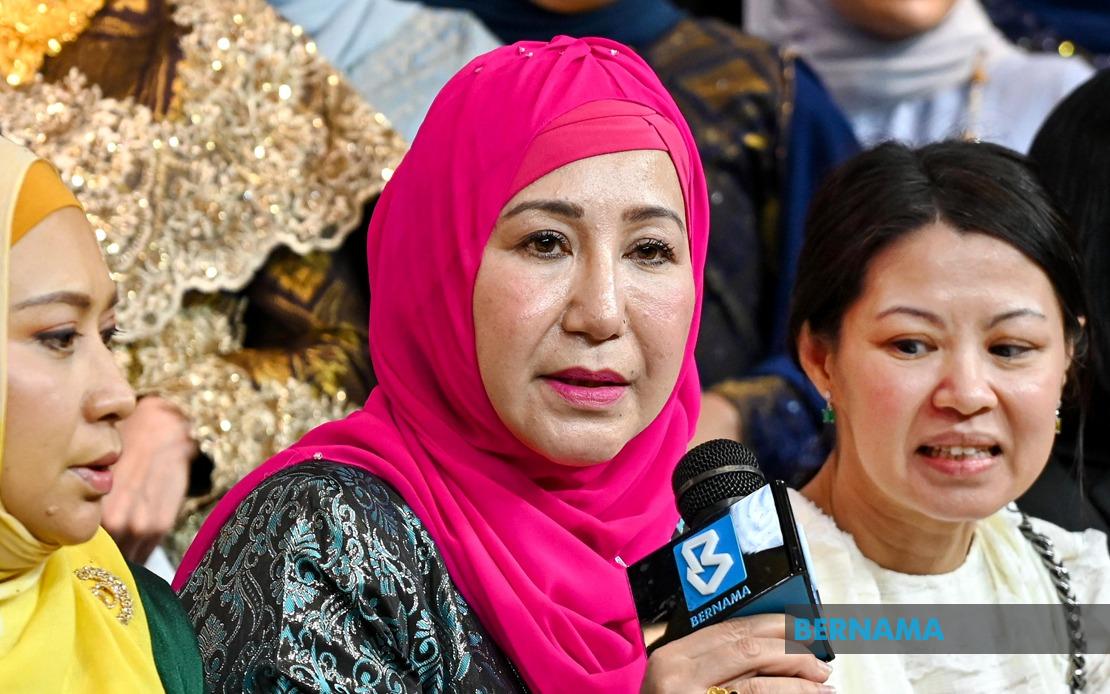
The Persatuan Usahawan Wawasan Wanita Malaysia (WAWASANITA) is moving forward with plans to establish an integrated food manufacturing and packaging hub in Sungai Besar, a strategic initiative designed to elevate the region's fragmented cottage food industry into a coordinated, export-ready operation. The project represents a significant attempt to address long-standing structural challenges facing Malaysia's rural food entrepreneurs, who have historically struggled to achieve economies of scale and maintain consistent product standards.
Dr Norli @ Norlaili Alias, president of WAWASANITA, outlined the ambitious scope of the undertaking, emphasizing that the hub would operate as a collaborative ecosystem bringing together more than 60 non-governmental organisations, private sector participants, industry associations, and village leadership. This expansive coalition reflects recognition that rural economic development requires coordination across multiple stakeholder groups rather than isolated interventions. The participating entities will pool resources and expertise to create infrastructure and support systems that individual small producers cannot afford independently.
Central to the hub's value proposition is the promise of substantial quality improvements across the entire production chain. Currently, many rural food businesses operate with outdated packaging equipment, leading to reduced shelf life, spoilage, and inability to meet international food safety standards. By concentrating these operations within a shared facility equipped with modern technology, participating entrepreneurs gain access to equipment and expertise previously unavailable to them. This modernization directly addresses one of the primary barriers preventing Malaysian cottage food products from achieving significant international market penetration.
The branding strategy represents another crucial dimension of the initiative. Rather than marketing dozens of products under separate, unfamiliar labels, the hub proposes to consolidate offerings under a unified international brand, tentatively named "Kerepek International." This approach mirrors successful models from other Southeast Asian nations, where pooled branding has enabled smaller producers to gain consumer recognition and command premium prices. A single recognizable brand carries significantly more weight in international distribution channels than numerous small-label products, particularly in competitive markets where retailers make purchasing decisions based on brand awareness and perceived quality consistency.
Financial projections accompanying the initiative suggest entrepreneurs participating in the hub could expect approximately 30 per cent increases in sales revenue and profit margins. While such forecasts warrant cautious interpretation, the figure reflects realistic gains achievable through reduced per-unit production costs, elimination of wasteful packaging, extended shelf life reducing spoilage losses, and access to export markets previously inaccessible to individual producers. For rural entrepreneurs operating on thin margins, such improvements could transform marginal operations into sustainable businesses capable of supporting families and contributing meaningfully to household incomes.
The launch event in Sungai Besar, attended by Datuk Mohd Razlan Muhammad Rafii in his capacity as Political Secretary to the Rural and Regional Development Minister, demonstrates government engagement with this initiative. The simultaneous distribution of offer letters to 20 Selangor entrepreneurs for complementary small business activities in car detailing and mobile coffee operations suggests a broader rural economic development strategy operating in parallel. Additionally, contributions to 16 asnaf children underscores the initiative's social dimensions beyond purely commercial objectives, connecting poverty alleviation to business development.
The presence of Sungai Besar UMNO chief Datuk Seri Jamal Md Yunos and Sungai Panjang state constituency coordinator Datuk Mohd Imran Tamrin indicates political stakeholder buy-in at district and state levels. Such political support proves essential for facilitating land allocation, utility connections, regulatory approvals, and other administrative requirements necessary for the hub's establishment. However, this political involvement also carries implications regarding project sustainability beyond electoral cycles, raising questions about long-term institutional commitment if political priorities shift.
For Malaysia's broader rural development agenda, this initiative addresses documented challenges within cottage food industries. Many rural food businesses possess genuine entrepreneurial capability and produce quality products, yet lack commercial infrastructure to scale operations. The hub model potentially offers a replicable template applicable across Malaysia's various agricultural regions and food production clusters. Success in Sungai Besar could justify expansion to other districts facing similar constraints.
International market access represents the initiative's most transformative potential dimension. Southeast Asian food exports have grown substantially over the past decade, driven by rising regional middle-class consumption and global interest in authentic Asian flavours. Malaysian snack products, particularly kerepek variants, occupy a recognizable niche within this market. However, individual small producers typically cannot navigate export compliance requirements, bulk order logistics, or international payment systems. A consolidated hub addressing these structural barriers could facilitate meaningful export revenue generation, with products reaching international markets where Malaysian food products increasingly command premium valuations.
The initiative's success will likely depend on management capacity within the coordinating organisation. Coordinating 60 plus participants, maintaining quality standards across different producers, managing shared equipment scheduling, and developing effective export channels require professional operational expertise. The degree to which WAWASANITA and partner organisations can provide sophisticated business management and international trade facilitation will substantially influence whether the hub achieves its commercial objectives or encounters the implementation challenges that frequently impede ambitious development projects.
Regional implications deserve consideration as well. If successfully implemented, the Sungai Besar hub could position Malaysia as a model for rural food industry consolidation within Southeast Asia, potentially attracting ASEAN-level interest in replicating the approach. Conversely, implementation difficulties would provide instructive lessons regarding challenges in coordinating multiple stakeholders around shared rural development infrastructure.

