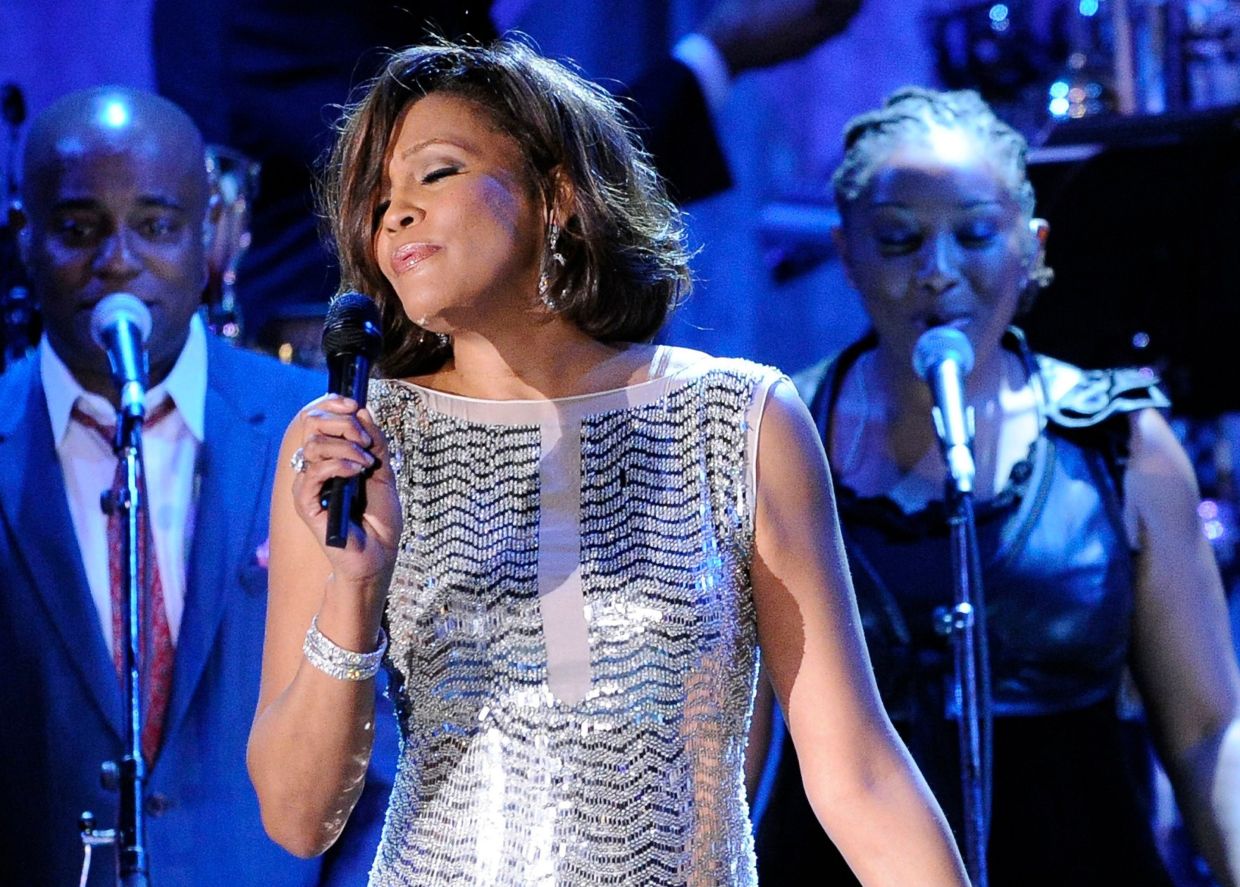
The legacy of Whitney Houston continues to expand beyond her lifetime with the release of a historic Barbie doll bearing her likeness and a comprehensive compilation of her chart-topping singles. The timing coincides with what would have been Houston's 63rd birthday on August 9, marking four decades since she first captured audiences with her breakthrough hits. These tributes represent a carefully curated approach to preserving the memory of an artist whose vocal prowess and cultural influence remain unmatched in popular music.
The greatest hits collection bringing together all 11 of Houston's Billboard Hot 100 No.1 singles serves as a musical testament to her dominance across decades. Pat Houston, the executor of Whitney Houston's estate and her sister-in-law, emphasises that these songs transcended mere commercial success to become the defining soundtracks of millions of lives worldwide. Each track represents a moment in cultural history where Houston's voice reached beyond the confines of the recording studio to touch hearts across generations and continents. The compilation underscores Houston's rare achievement of maintaining consistent chart presence across her career, a feat that places her among the most commercially successful vocalists in entertainment history.
The Whitney Houston Barbie represents the first doll in Mattel's iconic line honouring the late performer, arriving on her birthday as a fitting celebration. What makes this collaboration particularly meaningful is its unexpected personal history. Pat Houston reveals that conversations about creating a Barbie in Whitney's image began more than two decades ago, long before such tributes became commonplace. The realisation of this vision decades later carries emotional weight, serving as a reminder that significant artistic collaborations sometimes require time and patience to come to full fruition. The involvement of Mattel's creative team resulted in a product that Houston characterises as both meaningful and emotionally resonant rather than merely commercial.
The role of legendary music executive Clive Davis in shaping Houston's extraordinary career cannot be overstated. Pat Houston speaks eloquently about Davis's influence, noting that his relationship with Houston transcended the typical artist-manager dynamic. Davis revered Houston's talents and remained devoted to her legacy until his death, with Houston frequently crediting him as instrumental to her success. This partnership between artist and executive shaped the sound of an era, with Davis's guidance complementing Houston's unparalleled technical ability and emotional depth. The reverence with which estate representatives discuss Davis indicates his continued significance to how Houston's legacy is preserved and promoted.
Despite widespread speculation about potential film projects comparable to recent Michael Jackson documentaries, Pat Houston remains deliberately circumspect about future plans. She acknowledges that numerous proposals regularly arrive at the estate but emphasises the importance of exercising careful judgment before committing to any major project. The approach reflects a philosophy that Houston's catalogue and artistic legacy merit projects of genuine substance rather than efforts motivated purely by commercial opportunity. This measured stance suggests the estate is intent on protecting Houston's memory from potential oversaturation or misrepresentation in the entertainment marketplace.
Pat Houston articulates a broader vision for Houston's legacy that extends beyond traditional filmed entertainment. She expresses particular enthusiasm for producing and releasing previously unseen live performances that showcase Houston's extraordinary gifts in concert settings. Many of these performances remain unavailable to North American audiences despite having been witnessed by international viewers. Houston's live shows represented peak artistic expression, moments where her technical mastery combined with emotional authenticity to create unforgettable experiences. Making these performances accessible represents, in Houston's executor's view, one of the most valuable potential tributes to her artistry.
The strategic approach to Houston's legacy management reflects lessons learned from how other deceased artists' estates have navigated the balance between honouring memory and pursuing commercial opportunities. Rather than rushing to produce films, documentaries, or other projects, the estate prioritises intention and purpose in every release. This philosophy guards against the risk of oversaturation that could diminish Houston's cultural standing or reduce her complex legacy to reductive narratives. Each project under consideration must meet a threshold of artistic and cultural merit rather than simply capitalising on commercial demand for content featuring her name and image.
Houston's vocal capabilities remain central to how her legacy is understood and celebrated. Her voice represented not merely technical perfection but an embodiment of passion and artistry that set her apart from her contemporaries and successors. Pat Houston emphasises that any future project must prioritise what Houston brought to the music industry itself rather than focusing narrowly on commercial achievement or personal drama. This perspective reflects a desire to ensure that projects celebrating Houston centre the artistry that defined her rather than reducing her to sensationalised narrative elements.
For Malaysian and Southeast Asian audiences, Houston's legacy holds particular resonance given her global reach and influence on popular music across cultures and continents. Her songs penetrated international markets during an era when American pop music was establishing itself as a dominant global force. Young musicians throughout the region grew up inspired by Houston's vocal demonstrations and artistic approaches. The continued celebration of her catalogue and unreleased material appeals to both nostalgic audiences who experienced her heyday and younger listeners discovering her influence through contemporary artists who cite Houston as inspiration.
The intersection of commercial opportunity and artistic stewardship evident in how the Houston estate manages her legacy suggests a model for how iconic artists' contributions can be sustained long after their deaths. Rather than treating Houston's memory primarily as an asset to be exploited, the estate approaches each project as an opportunity to deepen public understanding of her artistry and cultural significance. This philosophy may increasingly influence how other entertainment estates approach legacy management in coming years.
Looking forward, the combination of the greatest hits compilation and Barbie doll establishes a foundation for additional announcements likely to follow. Pat Houston's hints about unreleased live performances and international content suggest a roadmap for projects that could maintain Houston's presence in popular culture while maintaining the high standards the estate has established. Whether such projects ultimately materialise as films, concert releases, or other formats remains to be seen, but the estate's measured approach suggests that whatever arrives will reflect genuine commitment to preserving Houston's artistic integrity and cultural significance.

