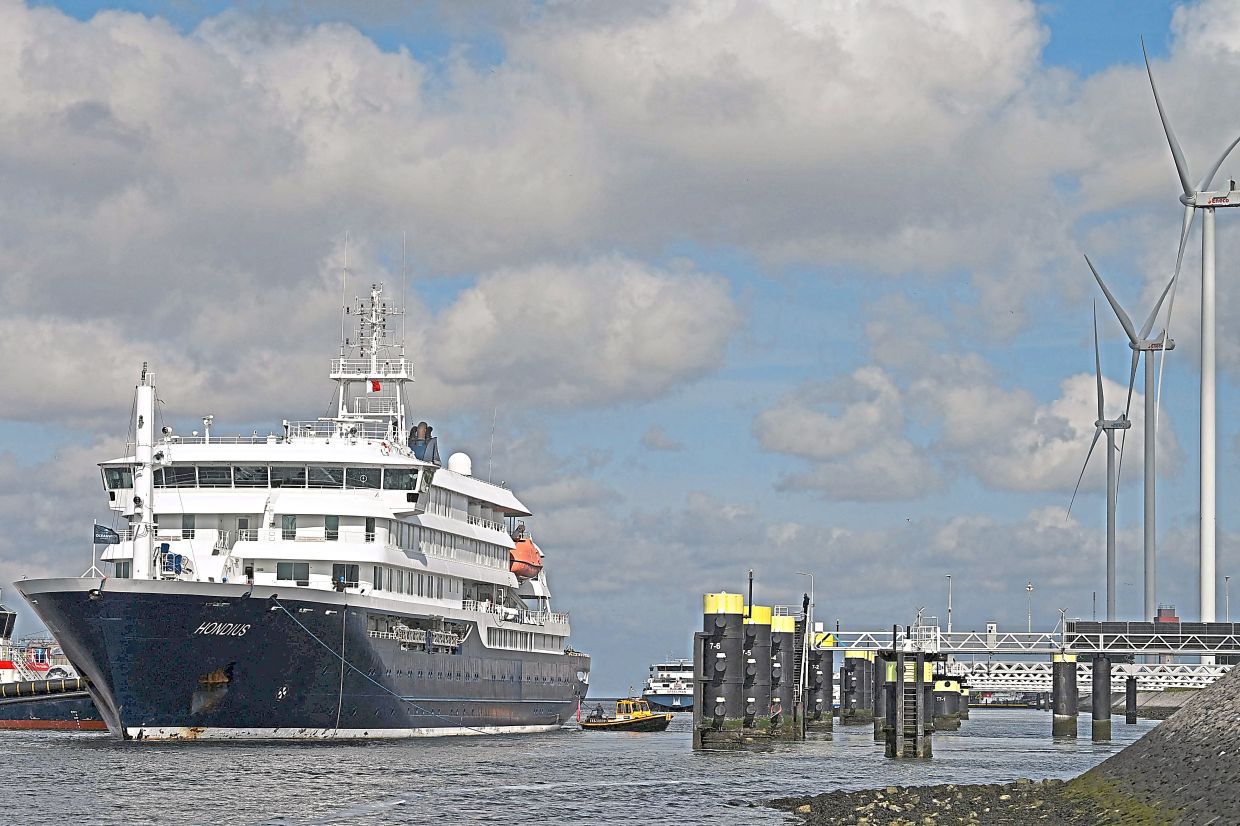
The World Health Organization formally concluded its response to a hantavirus outbreak that gripped international health authorities for months, with WHO chief Tedros Adhanom Ghebreyesus announcing the all-clear after the last person exposed to the virus completed quarantine and tested negative on July 2, 2026. The declaration marks a watershed moment for global disease surveillance, though scientists and public health officials are already grappling with the deeper implications of how such a rare pathogen managed to spread across multiple continents aboard a single vessel.
The MV Hondius, a Dutch-flagged polar exploration ship, became the epicentre of this unusual epidemic after departing from Ushuaia, Argentina on April 1, 2026. The vessel had been conducting a remote expedition through the South Atlantic, visiting isolated island territories including the windswept Tristan da Cunha before setting course towards the Canary Islands. By the time authorities fully grasped the severity of the situation and diverted the ship to Tenerife in Spain, the outbreak had already seeded across international borders, ultimately forcing the evacuation of remaining passengers and triggering a coordinated health response spanning 33 countries and territories.
The confirmed case count eventually settled at 12, with one additional probable case, alongside three deaths—a mortality rate that underscored the serious nature of hantavirus infection. No new cases emerged after May 25, 2026, suggesting that isolation measures and quarantine protocols effectively contained further transmission once the outbreak was formally recognized and systematically addressed. The absence of new infections for over a month before the final passenger was cleared provided health authorities with reasonable confidence that the acute phase had genuinely passed, though the psychological and epidemiological shadow cast by the outbreak would linger considerably longer.
Hantavirus typically spreads through contact with infected rodents or their droppings, making its appearance aboard a cruise ship somewhat anomalous from an epidemiological perspective. However, the Andes strain identified as the culprit possesses a concerning distinction: it is the only known hantavirus variant capable of human-to-human transmission, a characteristic that transformed what might have been a contained incident into a potential pandemic threat. This human transmissibility factor elevated the alarm level among international health agencies and explains the heightened scrutiny applied to tracking contacts and managing quarantine procedures across multiple jurisdictions.
The scale of the contact-tracing operation alone illustrates the resources mobilized in response. Health authorities identified and monitored more than 650 individuals who had potential exposure to the virus, dispersing their efforts across dozens of countries and territories. This sprawling network of investigation required unprecedented coordination between national health systems, port authorities, and international agencies—a logistical undertaking that revealed both the strengths and vulnerabilities of the global disease surveillance infrastructure. For many nations, particularly smaller island states and developing countries, the sudden influx of quarantine requirements and testing demands strained existing public health capacity.
Rolling the ship into Rotterdam harbour in the Netherlands on May 18, 2026 marked a symbolic turning point. The MV Hondius underwent comprehensive sanitization procedures designed to eliminate any remaining viral particles from its surfaces and ventilation systems. This decontamination process highlighted an underappreciated vulnerability in modern maritime health security: the challenge of systematically sterilizing large vessels with complex internal environments when facing novel or unfamiliar pathogens. Cruise ship operators and maritime regulators have since incorporated lessons from this incident into updated biosafety protocols.
WHO leadership has pivoted from outbreak containment toward epidemiological investigation, recognizing that understanding this episode thoroughly could yield insights applicable to future zoonotic disease emergencies. Tedros emphasized that the organization would continue coordinating an international research initiative spanning 21 countries to unravel how hantavirus infection progresses in human hosts. This collaborative study programme aims to accelerate development of diagnostic tools, therapeutic interventions, and ultimately vaccines—resources that have historically been sparse for such rare infectious diseases.
The absence of specific antiviral treatments or protective vaccines for hantavirus represents a critical gap in the global medical arsenal. Unlike influenza or measles, for which preventive and therapeutic options exist, hantavirus patients have received supportive care rather than targeted pharmaceutical interventions. This limitation underscores a broader challenge within infectious disease medicine: the difficulty of mobilizing research and development resources for pathogens that strike rarely and unpredictably. The MV Hondius outbreak, precisely because of its unusual nature and multinational dimension, may catalyze overdue investment in hantavirus research infrastructure.
For Southeast Asian health systems, the incident carries particular relevance as regional cruise tourism continues expanding and more exploration vessels operate in adjacent waters. The episode demonstrated that exotic pathogens can traverse international waters with alarming speed once they establish a human transmission chain. Malaysia's role as a major cruise ship hub and regional health authority means that similar outbreaks could feasibly emerge from vessels transiting through Malaysian ports or waters. The Hondius experience provides a practical template for rapid detection, multinational coordination, and proportionate response measures that Malaysian health officials are now incorporating into updated maritime health security frameworks.
The seven-week duration from initial cases to official containment declaration also reveals the temporal dynamics of managing infectious disease crises in an interconnected world. Unlike historical epidemics that might have remained geographically isolated, the MV Hondius outbreak achieved simultaneous presence across multiple continents through routine international travel and shipping networks. This compression of time and space presents constant challenges for epidemiologists attempting to maintain ahead of transmission curves, though the ultimate success in curtailing spread offers modest reassurance that coordinated international action remains feasible even in complex scenarios.
Moving forward, the hantavirus episode may prove less significant for its fatality count than for the systematic investigation and international cooperation it catalyzed. The WHO's continued involvement in understanding viral transmission patterns, combined with 21-country research coordination, positions the global health community to extract maximum scientific value from what was fundamentally a cautionary tale about zoonotic disease emergence. For maritime industries, government health agencies, and vaccine developers across the Asia-Pacific region and beyond, the MV Hondius outbreak represents a reminder that preparation and rapid response capacity remain the most effective defences against infectious disease surprises.

