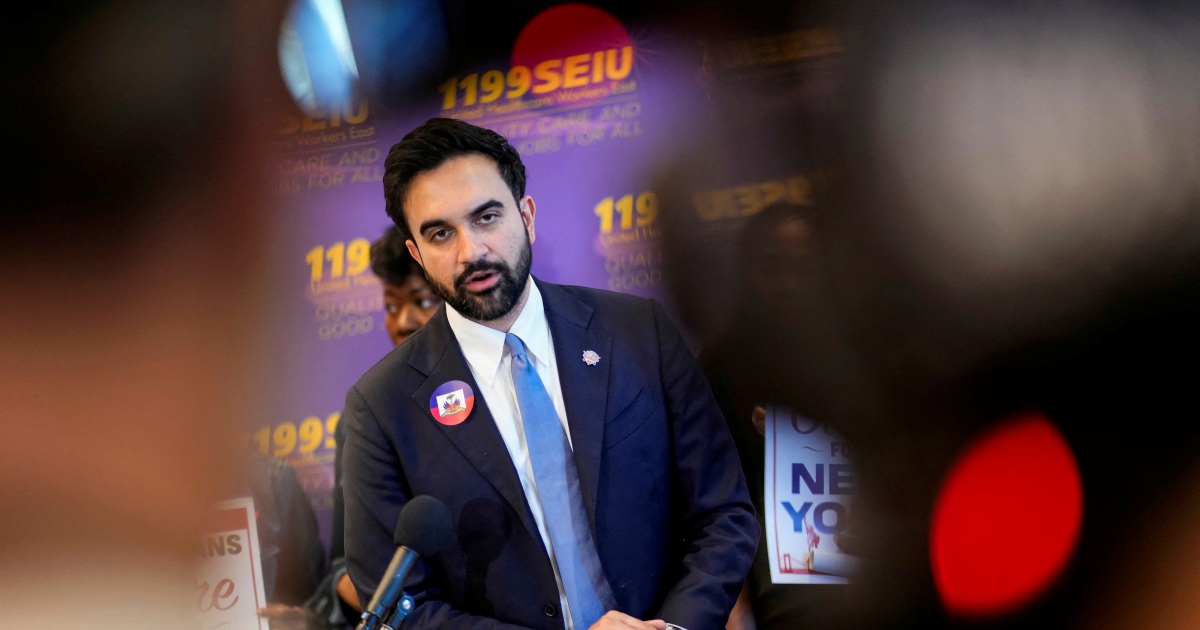
New York Mayor Zohran Mamdani has clarified that he does not possess the legal authority to arrest Israeli Prime Minister Benjamin Netanyahu should the latter visit the city, marking a significant retreat from his earlier stance on the matter. The mayor's statement this week represents an acknowledgment of the constitutional and jurisdictional limits that constrain municipal leadership in the United States, particularly regarding matters of international relations and criminal prosecution of foreign leaders.
Mamdani's initial suggestion that he might pursue Netanyahu's arrest had generated considerable political attention and international commentary. The mayor had appeared to consider invoking universal jurisdiction principles or other legal mechanisms that might theoretically allow a city official to detain a foreign leader accused of serious violations of international humanitarian law. However, upon further legal consultation and analysis, Mamdani determined that such authority simply does not exist within the scope of mayoral powers in New York.
The distinction between what a mayor might personally believe should happen and what the law actually permits represents a fundamental principle of democratic governance. While Mamdani may hold strong views regarding alleged Israeli military conduct in Gaza or elsewhere, the ability to act on those convictions through arrest powers is constrained by multiple layers of American law and constitutional practice. Federal law, state law, and municipal ordinances all interact to define precisely what authority the mayor of New York City may exercise.
Universal jurisdiction, a legal doctrine that theoretically permits any nation or jurisdiction to prosecute individuals for certain grave international crimes regardless of where those crimes occurred, has become increasingly contested in recent years. Even in countries with more robust legal frameworks supporting its application, universal jurisdiction remains controversial and faces significant practical obstacles. In the United States, where such doctrines enjoy limited support and where federal authority over foreign affairs is constitutionally reserved to the national government, a city mayor would face insurmountable barriers in attempting to invoke such powers.
The diplomatic implications of such an arrest would also be extraordinary. The United States maintains formal diplomatic relations with Israel, and the federal government would almost certainly view any attempt by a city to arrest a foreign head of state as a severe breach of protocol and international law. Federal law provides foreign dignitaries with immunity from prosecution in most circumstances, particularly when they are traveling on official business or represent their nations in an official capacity. These protections would almost certainly apply to a sitting prime minister of an allied nation.
Mamdani's reversal also highlights the tension between municipal leadership's aspirations to address global justice concerns and the constitutional structure that reserves foreign policy authority to Washington. Mayors across the United States have occasionally sought to make statements on international matters, but the formal power to enforce legal consequences against foreign leaders remains exclusively at the federal level. The president and Congress, not city governments, determine how the United States engages with accusations of international crimes and whether to cooperate with international legal mechanisms such as the International Criminal Court.
For Malaysian readers and observers across Southeast Asia, this episode provides instructive perspective on how democratic systems manage competing pressures. The region has witnessed various calls for accountability regarding alleged violations of international humanitarian law in different conflicts. Understanding how legal systems actually function, including their limitations and constraints, proves essential for those advocating for justice mechanisms. Mamdani's experience demonstrates that passionate commitment to human rights principles, while valuable, must ultimately operate within established legal frameworks.
The mayor's initial consideration of Netanyahu's arrest, even if ultimately deemed impossible to execute, reflected genuine public concern about accountability for alleged war crimes. These concerns are not unique to New York or to debates surrounding Israel. However, the path to meaningful accountability typically runs through established international mechanisms, domestic courts in relevant jurisdictions, and diplomatic pressure—not through unilateral action by municipal officials. The International Criminal Court represents one such mechanism, though the United States itself is not a member state and has historically maintained complicated relationships with international criminal justice institutions.
Mamdani's position also underscores how international law and municipal authority occupy different domains. While the mayor might advocate for policy changes, support relevant legislation, or use his office's moral authority to highlight concerns about alleged violations, the actual power to detain and prosecute individuals for international crimes requires constitutional authority that simply does not reside with city government. This separation of powers exists not to protect alleged perpetrators of crimes but to ensure that legal systems function through proper channels with appropriate checks and balances.
The episode reveals broader debates within American society about responsibility for global justice. Civil society organizations, activists, and concerned citizens increasingly voice demands that their governments take stronger stances regarding alleged international crimes. These demands deserve serious engagement and consideration. However, they must ultimately be addressed through proper legislative and executive channels, not through improvised legal theories deployed by local officials exceeding their authority.
Looking forward, Mamdani's clarification establishes a clear precedent regarding municipal limits in this context. Other American mayors contemplating similar positions regarding various international figures would face the same legal constraints that proved insurmountable for New York's mayor. While this may frustrate those seeking immediate accountability, it also serves important functions in maintaining stable legal systems and avoiding the chaos that would ensue if multiple jurisdictions attempted independent prosecution of foreign leaders.

