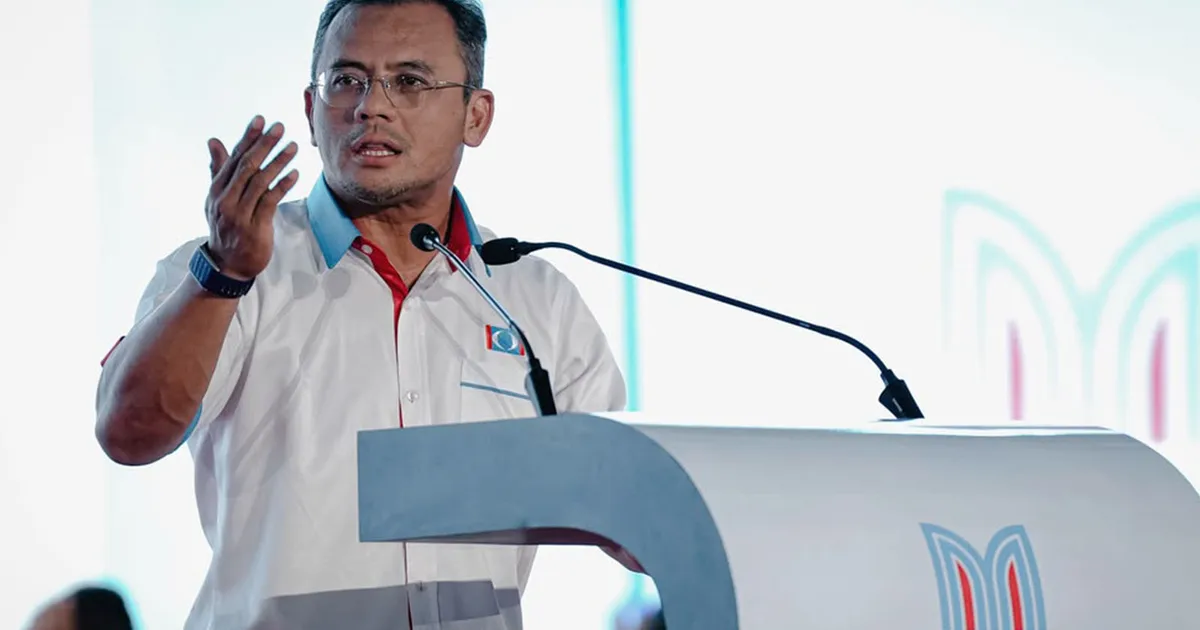
PKR vice-president Amirudin Shari has weighed in on the evolving relationship between Malaysia's two dominant Malay-Muslim political parties, offering a measured observation about their renewed efforts at cooperation. While deliberately avoiding explicitly naming the parties involved, Amirudin's remarks were widely understood to reference Umno and PAS, the two heavyweights that have repeatedly attempted—and failed—to maintain stable political partnerships over the past two decades.
The observation carries particular weight given the volatile history of Umno-PAS relations, which have oscillated between periods of close collaboration and bitter antagonism. These two parties have formed electoral pacts and attempted mergers multiple times, yet each initiative has ultimately collapsed under the weight of ideological differences, personality clashes, and competing ambitions for leadership within the Malay-Muslim political space. Amirudin's cryptic reference to a "third time" suggests a pattern of failed attempts, with the current rapprochement representing what analysts view as yet another critical juncture in their complicated dance.
The political context surrounding this latest effort to bridge Umno and PAS reveals deeper structural challenges within Malaysia's party system. These two organisations have fundamentally different origins and constituencies: Umno, the United Malays National Organisation, represents the establishment and traditionally appeals to urban professionals and the bureaucratic elite, while PAS, the Pan-Malaysian Islamic Party, draws strength from rural and small-town communities with more conservative Islamic leanings. This demographic divergence has repeatedly frustrated attempts at sustainable integration, as party machines and grassroots supporters on both sides maintain competing visions for Malaysia's future political direction.
Previous iterations of Umno-PAS cooperation have historically emerged during periods of perceived threat to Malay-Muslim political dominance. The most significant pre-2008 alliance saw these parties work together relatively harmoniously, though ideological tensions simmered beneath the surface. The early 2000s witnessed another attempt to formalise their relationship through various coordination mechanisms, yet personal rivalries among top leaders and disputes over electoral seat allocations regularly derailed negotiations. Each breakdown left lasting scars within both party organisations, breeding institutional memory of betrayal and mistrust.
For Amirudin and the PKR, which sits alongside these two giants in Malaysia's complex political ecosystem, the question of whether Umno-PAS can finally achieve durable unity carries strategic implications. PKR's positioning within Pakatan Harapan and its relationship with other opposition blocs depends partly on the stability and direction of Umno-PAS politics. A successful and genuine merger or sustained coalition between these parties would reshape Malaysia's entire political landscape, potentially consolidating Malay-Muslim political representation in ways that could marginalise other coalition configurations.
The scepticism embedded in Amirudin's "third time lucky" framing reflects widespread analytical consensus that structural obstacles remain formidable. PAS has become increasingly ideologically rigid in recent years, particularly regarding Islamic governance and identity politics, whereas Umno leadership remains more pragmatic about power-sharing arrangements and navigating multi-ethnic coalitional politics. These divergent philosophies have proven nearly impossible to reconcile in previous attempts, and current membership rolls within both parties include individuals who have personally experienced failed merger discussions.
Regional observers note that this latest cooperation attempt arrives amid shifting electoral mathematics and generational transitions within both organisations. Some younger leaders on both sides view past failures as historical baggage and express openness to genuine structural integration rather than the temporary electoral pacts of previous eras. However, entrenched senior figures who remember—and in some cases orchestrated—previous breakdowns remain influential in both parties' decision-making hierarchies, introducing caution into negotiations.
The Malaysian electorate's response to Umno-PAS coordination has historically proven unpredictable. While Malay-Muslim voters might theoretically welcome consolidated representation of their interests, actual electoral behaviour suggests complexity beneath surface-level ethnic solidarity. Competing visions of Islam, modernisation, and Malaysia's international orientation divide both the parties themselves and their voter bases. Urban and rural Malays often diverge sharply on priorities, making unified messaging perpetually challenging.
Amirudin's public comment serves multiple strategic purposes beyond face-value observation. For PKR and Pakatan Harapan, acknowledging Umno-PAS developments while maintaining studied distance from explicit commentary allows the opposition coalition to signal both confidence and flexibility. Should this latest cooperation fail—as two previous major attempts have—the opposition can claim vindication of their warnings. Conversely, if genuine unity emerges, PKR must position itself to retain relevance within transformed political alignments.
International observers tracking Malaysian politics recognise that Umno-PAS dynamics influence broader regional patterns. The success or failure of Malay-Muslim political integration has implications for how ethnically-defined political competition operates across Southeast Asia. Malaysia's experience with managing diverse ethnic and religious communities through competitive democratic mechanisms attracts scholarly and diplomatic attention, particularly as other regional democracies navigate similar tensions.
The coming months will test whether Amirudin's cautious hope proves warranted. Previous cooperation attempts have typically endured between two and four years before fracturing over specific grievances or electoral miscalculations. Both Umno and PAS face internal pressures from competing factions advocating different strategies, suggesting that even genuine good faith efforts face significant implementation challenges. The institutional memory of past failures within both organisations' senior ranks means that even well-intentioned negotiations must overcome decades of accumulated mistrust and competing organisational interests seeking primacy.

