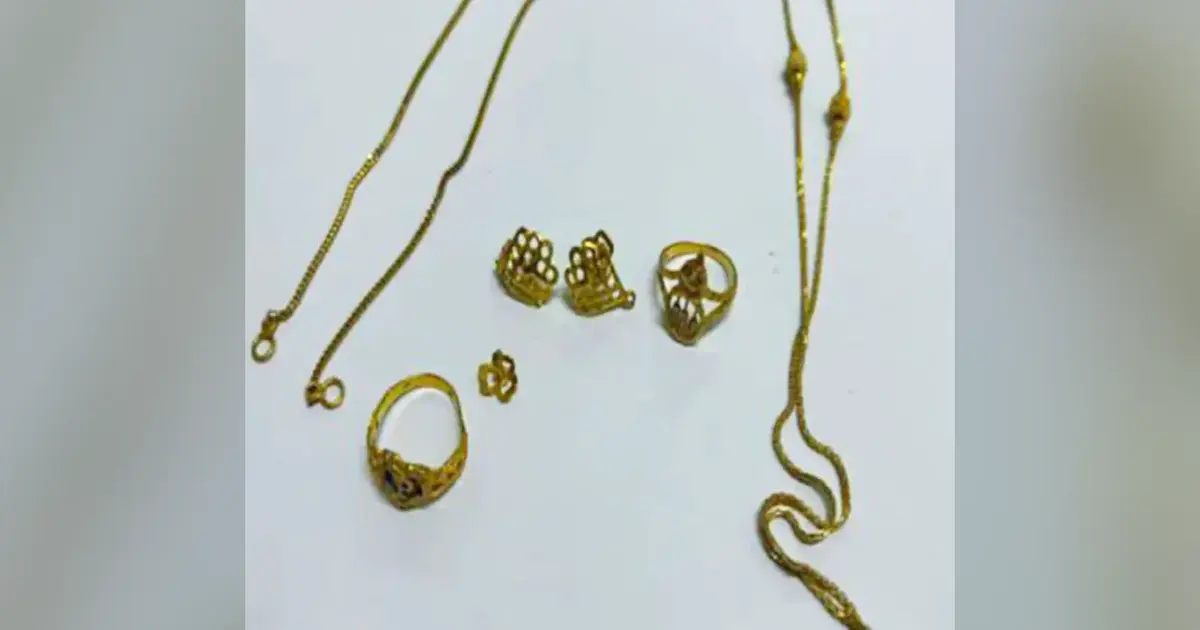
An elderly woman fell victim to a fraudulent welfare assistance scheme that cost her RM8,000 in jewellery, prompting police to launch an investigation that culminated in the arrest of a woman and her two adult children. The case highlights the vulnerability of senior citizens to sophisticated scams that exploit their trust in social support systems and prey on financial insecurity.
Police operations led to the recovery of the stolen jewellery, which the suspects had already disposed of by selling the items to a pawnshop. The swift recovery of these valuables provides some relief to the victim, though the psychological impact of such deception on vulnerable individuals extends beyond the monetary loss.
The modus operandi of welfare aid scams typically involves fraudsters posing as government officials or representatives from legitimate assistance programmes. They contact unsuspecting elderly individuals with promises of financial aid or welfare benefits, gradually building trust before requesting personal valuables as supposed collateral or processing fees. Once the targets hand over their jewellery and savings, the scammers disappear with the goods.
What makes this case particularly troubling is the involvement of family members in the scam. The arrest of the woman along with her two adult children suggests a coordinated operation, indicating that such frauds are not always perpetrated by strangers but sometimes by individuals within established criminal networks. This factor raises concerns about the sophistication of these operations and the deliberate targeting of elderly victims.
The decision to sell stolen jewellery to a pawnshop demonstrates a common pattern in property crimes. Pawnshops have become critical touchpoints for investigating theft and fraud, as perpetrators often convert physical valuables into cash quickly to avoid detection or pursue additional criminal activities. The fact that police successfully traced and recovered the items through this channel underscores the importance of coordination between law enforcement and pawnshop operators.
Cases like this underscore the urgent need for elderly citizens and their families to remain vigilant against fraud schemes targeting the senior population. Authentic government welfare programmes rarely demand jewellery or valuable items as prerequisites for assistance, and legitimate officials will always provide verifiable credentials and documentation. Victims should verify any assistance claims through official channels before parting with valuables.
Malaysia's senior citizen population faces increasing exposure to scams as digital literacy gaps and social isolation create vulnerabilities. Government welfare programmes such as BR1M and other social assistance schemes have become so commonplace that scammers exploit public familiarity with these initiatives to lend credibility to their fraudulent claims. Elderly individuals often hesitate to question authority figures or official-sounding voices, making them ideal targets.
The recovery of the jewellery through pawnshop channels offers a potential avenue for other victims of similar crimes. Many police districts have established closer working relationships with pawnshop operators to flag suspicious transactions and support investigations. However, the challenge remains significant: not all stolen goods reach pawnshops, and recovery rates vary across jurisdictions.
Family members of elderly relatives should establish clear communication channels and educate their parents and grandparents about common scam patterns. Regular financial check-ins and awareness discussions about welfare fraud can help seniors identify red flags before losing money or valuables. Creating a trusted point of contact for verification—such as a designated family member to call when receiving unexpected assistance offers—provides a practical safeguard.
The police investigation and subsequent arrests send an important message that such frauds will be prosecuted. However, prevention remains more effective than recovery. Authorities have increasingly partnered with community organisations and family support networks to distribute educational materials about scam awareness among elderly populations.
This case also reflects broader trends in Malaysian crime where property offences targeting vulnerable demographics continue to rise. Beyond individual arrests, addressing the root causes—such as poverty driving some to crime, inadequate social safety nets, and the proliferation of digital fraud tools—requires comprehensive national strategies.
Moving forward, enhanced regulation of pawnshop transactions, particularly regarding jewellery and high-value items, could create additional barriers for scammers attempting to convert stolen goods into cash. Mandatory reporting of suspicious transactions and verification of sellers' identities represent practical measures that could disrupt these criminal pipelines.
For the victim in this case, while the recovery of her jewellery provides some measure of justice, the broader implications extend to the thousands of other Malaysian seniors at risk. Building a society where elderly individuals can access legitimate welfare assistance without fear of exploitation requires vigilance from law enforcement, support from family networks, and awareness campaigns that reach vulnerable populations effectively.

