A contingent of 16 women civil servants from Malaysia's Prime Minister's Department will scale Mount Kinabalu this month as part of an initiative designed to strengthen their physical, mental and emotional resilience. The expedition, coordinated by Puspanita—the Malaysian Association of the Wives and Women Civil Servants—aims to harness the transformative power of mountaineering as a tool for personal and professional development within the federal civil service.
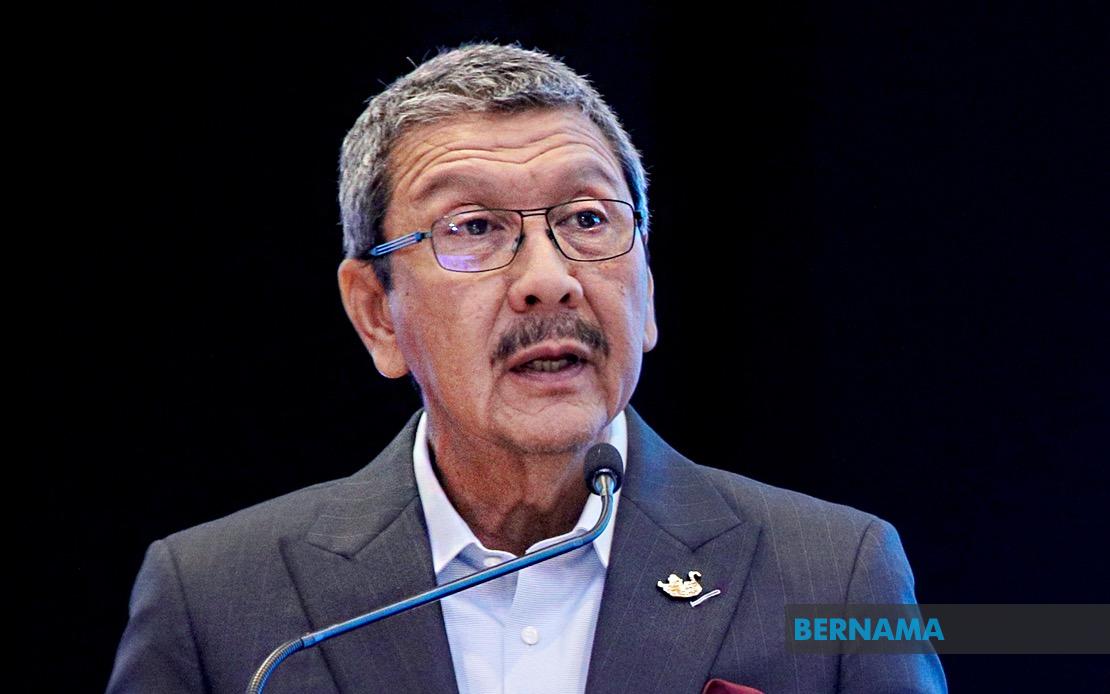
Tan Sri Wan Ahmad Dahlan Abdul Aziz, who holds the position of Director-General of Public Service and serves as adviser to the Puspanita JPM branch, underscored the broader significance of such expeditions during the official flag-off ceremony in Putrajaya on July 6. He characterised climbing programmes as instrumental mechanisms for cultivating individual resilience among government employees, moving beyond the conventional confines of workplace wellness initiatives. The expedition represents a deliberate strategic choice to engage civil servants in experiences that transcend ordinary professional development.
The 4,095-metre ascent of Southeast Asia's highest peak is framed not merely as a physical accomplishment but as a journey of self-discovery and internal conquest. According to Tan Sri Wan Ahmad Dahlan, the climb demands participants to engage with discipline, determination and a mature understanding of patience—qualities increasingly valuable in government service. This conceptualisation transforms the mountaineering exercise into a metaphorical parallel with the challenges confronting public sector workers navigating complex policy environments and institutional hierarchies.
Led by Dr Azlifah Bahari, the Puspanita JPM branch chairman, the mission will unfold from July 14 to 17, drawing participants exclusively from various departments and affiliated agencies within the Prime Minister's Department. The carefully curated group composition reflects an institutional commitment to integrating women into leadership and development pathways, signalling broader efforts within Malaysia's civil service to advance gender representation and women's professional advancement at multiple institutional levels.
The initiative arrives within a context where Southeast Asian governments increasingly recognise that conventional office-based training frameworks may inadequately address the multifaceted demands placed upon modern public sector employees. High-altitude expeditions, by introducing controlled physical and psychological stress, create immersive learning environments where participants develop coping mechanisms and interpersonal skills under genuine pressure. For Malaysian civil servants, such experiences potentially translate into enhanced capacity to manage demanding stakeholder relationships, navigate political sensitivities and respond effectively to crisis situations.
The women's participation in this expedition also carries symbolic weight within Malaysia's ongoing discourse concerning gender equity in public administration. While women constitute substantial portions of the civil service workforce, leadership positions and high-visibility professional development opportunities have historically remained disproportionately accessible to male colleagues. By organising gender-specific advancement initiatives, Puspanita positions itself as an agent advancing institutional culture change, though observers note that parallel opportunities for male colleagues remain comparatively limited.
Tan Sri Wan Ahmad Dahlan placed considerable emphasis on adherence to safety protocols and environmental stewardship throughout the expedition. These requirements acknowledge that mountaineering carries genuine hazards requiring rigorous preparation, professional guidance and adherence to established best practices. The Mount Kinabalu climbing season presents particular challenges including rapid weather changes, altitude adaptation difficulties and terrain-specific navigation demands. The explicit invocation of safety consciousness and environmental responsibility suggests institutional awareness of liability considerations and commitment to sustainable tourism practices on the protected mountain ecosystem.
The cohesion fostered through Puspanita membership was identified as a foundational asset ensuring mission success. The association functions not merely as an employee welfare organisation but as a social and professional network facilitating peer support, knowledge exchange and collective problem-solving among female civil servants and their families. This networked approach to institutional belonging potentially enhances retention and motivation among women employees who might otherwise experience workplace isolation within hierarchical bureaucratic structures.
The spiritual dimension invoked during the flag-off ceremony—with officials offering prayers for the expedition's safe conduct and divine protection—reflects cultural norms deeply embedded within Malaysian public administration. This religious framing operates simultaneously as genuine spiritual expression and as rhetorical affirmation of shared values within the institutional community. For participants drawn from diverse ethnic and religious backgrounds, such inclusive yet culturally-rooted language facilitates collective identity formation around institutional objectives.
This expedition exemplifies how Southeast Asian governments are experimenting with unconventional professional development methodologies, moving beyond traditional classroom-based training toward experiential learning models emphasising personal transformation. For Malaysian civil servants facing increasingly complex governance challenges—from climate adaptation to digital transformation to managing public expectations in an information-saturated environment—the resilience cultivated through such experiences may prove substantially more valuable than conventional workshop attendance.
The initiative also reflects recognition that women in public service often navigate particular pressures deriving from gendered expectations regarding professional conduct, work-life balance and leadership styles. By creating dedicated spaces for women's professional advancement and personal development, institutions acknowledge these distinctive challenges while facilitating peer support mechanisms potentially unavailable in mixed-gender settings. The Mount Kinabalu expedition thus becomes a vehicle for addressing systemic gender dimensions of institutional culture alongside the manifest objectives of physical resilience-building.
As Malaysia navigates ongoing civil service reforms aimed at improving efficiency, transparency and public confidence, initiatives enhancing employee wellbeing and professional development capacity signal institutional commitment to human resource advancement. The Puspanita JPM expedition, while involving a modest cohort of 16 participants, potentially catalyses broader cultural conversations concerning institutional priorities and the legitimate investment of government resources in employee development activities extending beyond traditional competency frameworks.

