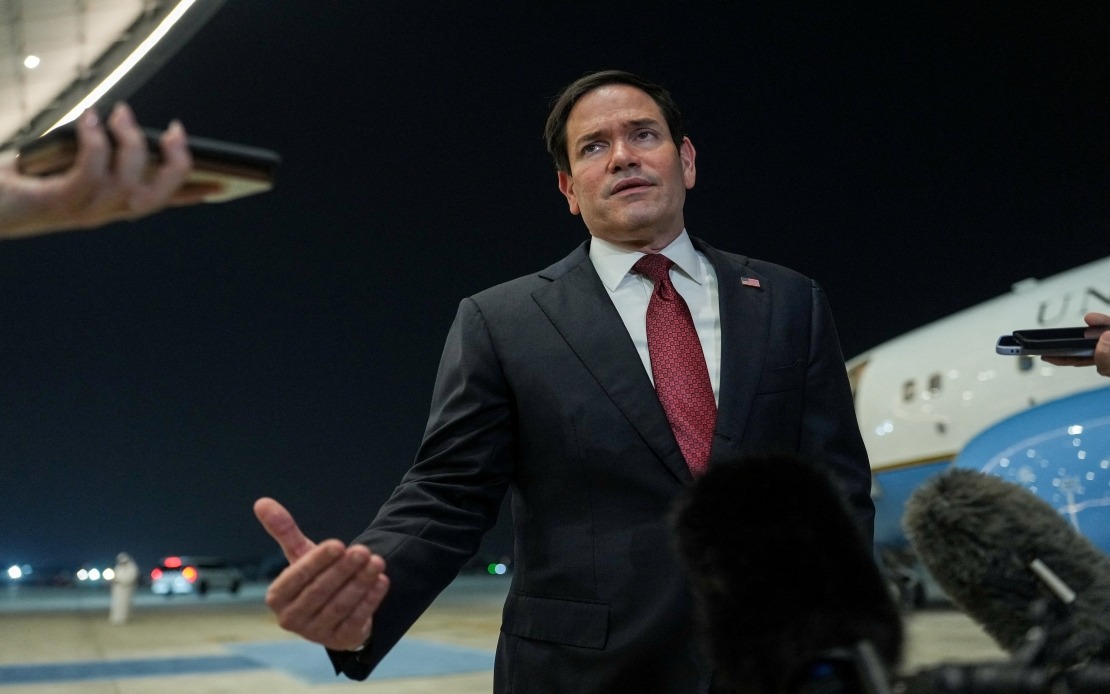
The United States and China are moving forward with preparations for a high-level presidential visit despite escalating friction between the two powers, according to assurances from US Secretary of State Marco Rubio on Sunday. Speaking to reporters at Joint Base Andrews before travelling to a regional diplomatic engagement, Rubio indicated that Chinese President Xi Jinping's anticipated journey to American soil remains on track for September, with both nations' teams actively engaged in logistical coordination for the encounter.
Rubio's comments come at a particularly delicate moment in bilateral relations. US President Donald Trump levelled serious accusations against China on Thursday, claiming that Beijing had attempted to meddle in the 2020 American presidential election—a contest that Trump lost to Joe Biden. The allegations drew swift rejection from Chinese officials, who dismissed the charges as baseless. Rather than derailing diplomatic efforts, however, both governments appear intent on compartmentalising their disputes and maintaining the planned summit as scheduled.
The visit represents a reciprocal engagement following Trump's own journey to Beijing in May, during which he formally invited Xi to visit the White House. The Chinese leader has accepted, with September 24 provisionally set as the date for this significant state visit. The fact that preparations continue despite the recent electoral interference dispute suggests that both Washington and Beijing view such top-level meetings as essential frameworks for managing their increasingly complex relationship.
Chinese diplomatic teams have remained actively engaged in preparation work for the visit, Rubio confirmed, indicating that Beijing is signalling its commitment to the planned meeting. Officials from China's Foreign Ministry have coordinated with their American counterparts to work through the considerable logistics involved in hosting a presidential delegation. The continuity of these preparations despite political tensions underscores how major powers compartmentalise disagreements from broader diplomatic architecture.
For Southeast Asian observers, the persistence of this high-level engagement carries particular significance. The region has long sought to maintain balanced relations with both superpowers, and any breakdown in US-China dialogue would create uncomfortable pressures for nations attempting to navigate between the two. The maintenance of diplomatic channels, even amid friction, helps preserve the regional stability that ASEAN nations depend upon for their own prosperity and security.
Rubio articulated a measured perspective on the inevitability of disagreement between major powers, emphasising that the United States and China, despite their competing interests, share fundamental responsibilities to maintain constructive dialogue. This framing suggests an American commitment to engagement rather than confrontation, a posture that contrasts with more hawkish rhetoric that occasionally emerges from Washington. The acknowledgment that tensions are normal between great powers, rather than exceptional crises, appears designed to contextualise the recent allegations within a broader framework of manageable bilateral differences.
An unexpected opportunity for preliminary discussions may materialise far sooner than the September summit. The ASEAN foreign ministers' meeting scheduled for Tuesday in Manila provides a platform where American and Chinese diplomatic representatives could engage in person. Chinese Foreign Minister Wang Yi's confirmed attendance at this gathering means that backdoor conversations might occur, potentially allowing both sides to address some concerns or clarify positions before the presidential visit takes place. Such preliminary contact at the ASEAN gathering could help ensure that the September encounter proceeds smoothly.
The decision to proceed with Xi's visit despite current tensions reflects a calculation by both governments that engagement serves their interests better than isolation or cancellation. A postponement or withdrawal of the invitation would signal deeper rupture and potentially trigger broader strategic recalibration across the region. For developing nations in Southeast Asia, a stable US-China relationship—even one marked by disagreement—remains preferable to open conflict or a complete breakdown of communication between the world's two largest economies.
The significance of maintaining this diplomatic schedule extends beyond bilateral US-China relations. Many nations, including those in Southeast Asia, depend on both American security commitments and Chinese economic integration. Any major deterioration in Washington-Beijing relations creates difficult positioning dilemmas for regional actors attempting to preserve relationships with both sides. The commitment to dialogue, despite the recent accusations and counter-accusations, provides reassurance that both powers remain committed to managing their differences through established diplomatic channels rather than through confrontation.
Rubio's statements also carry domestic political dimensions within the United States. His reassurance that the visit remains on schedule may be directed at multiple audiences—both internationally and at home. For an administration that has emphasised both confronting China and maintaining diplomatic engagement, confirming the presidential summit demonstrates that toughness on specific issues need not preclude high-level engagement. This balancing act represents a common challenge for US administrations navigating great power competition in the modern era.

