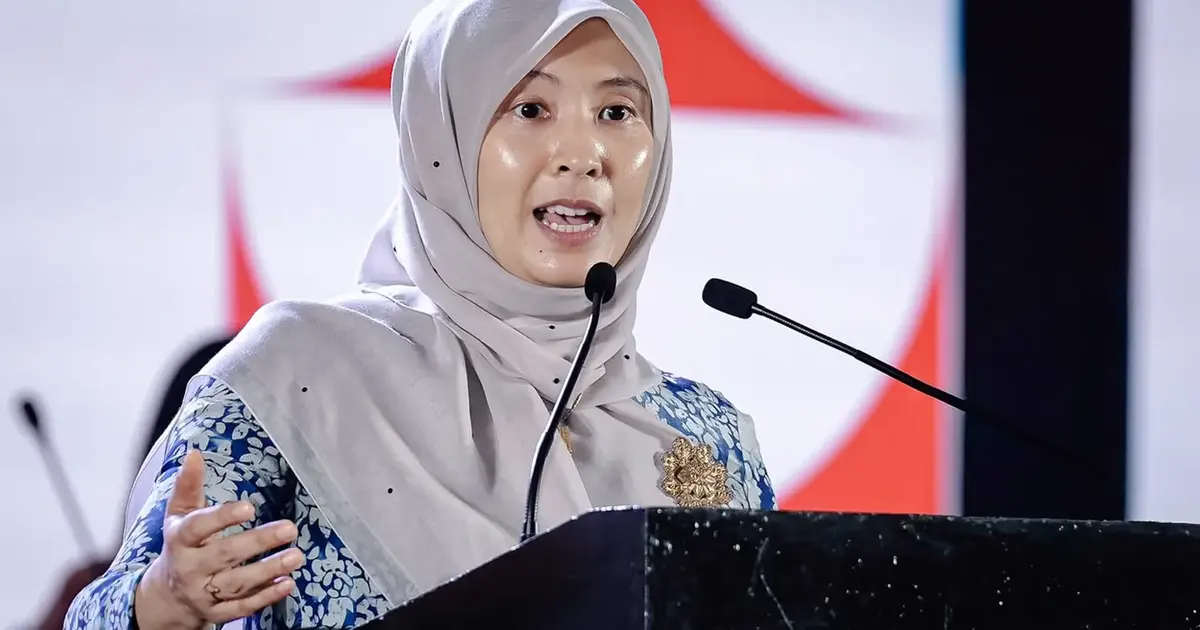
Nurul Izzah Anwar has pushed back against mounting criticism over her electoral performance, internal party challenges, and public absence from her political responsibilities, adopting a philosophical stance toward the varied expectations placed on senior party figures. The PKR leader's remarks come as she faces persistent questions about her political trajectory following a difficult period marked by electoral setbacks and organisational complications within the party hierarchy.
The Permatang Pauh MP encountered significant backlash following her inability to retain her parliamentary seat during the 15th General Election, a result that surprised many observers given her family's historical dominance in the constituency. Her subsequent decision to contest the deputy president position within PKR—the party's second-highest elected office—sparked internal debate about her readiness for elevated responsibility immediately after an electoral loss. The combination of these events created a challenging political narrative that observers argued could undermine her standing among party members and grassroots supporters.
Nurul Izzah's period of reduced visibility and reported leave of absence from party activities compounded existing concerns within PKR about leadership continuity and the commitment of senior figures to organisational rebuilding efforts. During a time when the coalition government navigated complex policy implementation and internal consolidation challenges, her withdrawal from prominent party roles generated questions about her immediate future political plans and long-term positioning within the party structure. Critics suggested that taking a step back during such a period might create leadership vacuums at a sensitive moment for political party dynamics.
However, her latest intervention demonstrates a more robust engagement with these controversies. Rather than providing detailed explanations or defensive responses to individual criticisms, Nurul Izzah has adopted a broader philosophical framework that acknowledges the inherent impossibility of satisfying all stakeholder interests simultaneously. This approach reflects a mature political perspective common among experienced politicians who recognise that high-profile roles inevitably generate diverse and sometimes contradictory expectations from different audience segments.
The political landscape in Malaysia has become increasingly scrutinous of senior party figures, particularly those with family political legacies. Nurul Izzah, as the daughter of former Prime Minister Anwar Ibrahim, carries both the advantages and disadvantages of such positioning. Her supporters emphasise her progressive policy contributions and intellectual engagement with complex governance issues, while critics have periodically questioned whether her parliamentary representation truly reflected constituent concerns or remained disconnected from ground-level needs. This fundamental tension shaped the discourse around her GE15 performance.
The dynamics within PKR itself present a separate layer of complexity. As the party led by her father underwent significant transformation and consolidation following the 2022 elections, internal positioning matters considerably. Her deputy president campaign, regardless of its outcome, represented a significant political statement about her ambitions and party commitment. The decision to later retreat from active party duties generated speculation about whether this reflected disappointment over that campaign result or represented a strategic recalibration of her political priorities.
For Malaysian observers and regional political analysts, the Nurul Izzah situation exemplifies broader challenges facing reformist-oriented political parties attempting to balance internal cohesion with progressive representation. PKR's positioning within coalition governments has historically required managing diverse internal factions while maintaining public credibility as a modernising force. Senior figures within the party must navigate between maintaining intellectual integrity, responding to organisational demands, and retaining electoral viability—a combination that cannot always be simultaneously achieved.
Her dismissal of blanket criticism also reflects a pragmatic understanding that political roles, particularly within complex multi-party coalitions, impose conflicting demands. Different constituent groups—party loyalists, parliamentary voters, policy-focused activists, and broader electorate segments—often hold incompatible expectations. What energises one group may alienate another. For figures operating at multiple political levels, this creates genuine management challenges that extend beyond simple strategic choice.
Looking forward, Nurul Izzah's repositioning carries implications for PKR's internal structure and succession planning. Whether her current approach represents a temporary recalibration or signals longer-term shifts in her political involvement remains unclear. Her intellectual contributions to policy discourse—historically her strongest suit—remain potentially valuable regardless of her formal party position. However, sustained political influence in Malaysian politics typically requires maintaining visible organisational engagement alongside intellectual credibility.
The broader question for PKR and Malaysian reformist politics concerns how parties manage transitions, absorb electoral setbacks, and maintain leadership continuity when senior figures face professional difficulties. Nurul Izzah's response—neither defensive nor explanatory, but rather a philosophical acknowledgment that universal satisfaction remains impossible—suggests she may be plotting a longer trajectory than immediate political circumstances suggest. Whether this approach ultimately strengthens or complicates her political position will become clearer as Malaysia's political cycle continues evolving and new electoral opportunities emerge.

