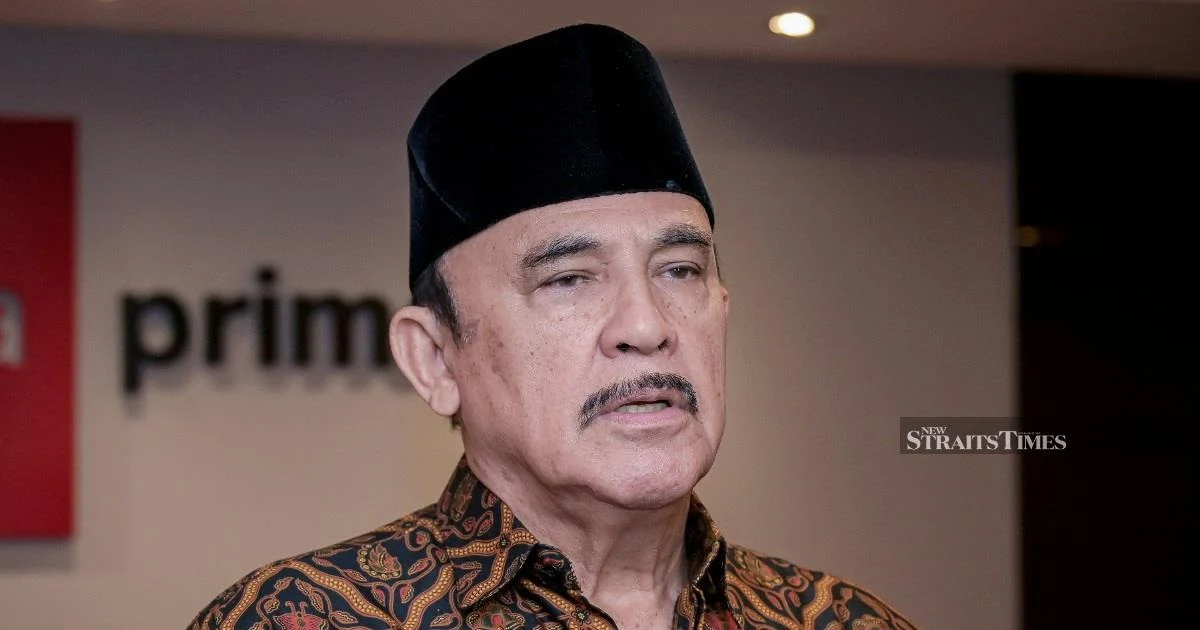
Veteran Malaysian film producer Datuk Yusof Haslam has maintained a measured stance regarding the legal difficulties facing actress Tisha Shamsir, who currently stands before the courts following her apprehension at a leisure venue in Kuala Lumpur after a positive drug screening result. Rather than wade into the particulars of her case, the respected industry figure has chosen to offer words of support while deferring substantive matters to the judicial system.
The arrest and subsequent legal proceedings have drawn considerable attention within Malaysia's entertainment sphere, given Shamsir's profile in television and film productions over recent years. Her detention at the establishment followed standard protocol involving drug testing, which subsequently returned a positive result. The incident represents a significant development in her career trajectory and has sparked broader conversations within the local showbiz community about conduct, accountability, and rehabilitation.
Haslam's public positioning on the matter reflects a delicate balance between industry solidarity and respect for legal procedures. His emphasis on prayer and hope for positive outcomes suggests an approach rooted in compassion rather than judgment. This stance proves notable given his stature within the production sector, where his views typically carry considerable weight among peers and younger industry participants who regard him as a mentor figure.
The producer's broader observation that "everyone makes mistakes" carries particular resonance within the context of Malaysian entertainment culture, where public figures face intense scrutiny and media examination. His comment appears designed to humanise Shamsir's situation while acknowledging the gravity of her circumstances. This perspective aligns with broader global conversations surrounding substance abuse as a public health matter requiring intervention rather than purely punitive responses.
Shamsir's case unfolds against the backdrop of Malaysia's stringent drug policies, which carry substantial penalties including potential imprisonment and mandatory rehabilitation programmes. The legal framework governing such offences remains among the strictest in Southeast Asia, reflecting the nation's long-standing commitment to drug enforcement. However, contemporary discourse increasingly acknowledges the intersection between criminal justice and healthcare approaches when addressing substance-related issues.
The entertainment industry's collective response to such incidents carries significance beyond immediate legal ramifications. Industry figures like Haslam wield considerable influence in shaping narratives around accountability, second chances, and societal reintegration. His measured approach neither dismisses the seriousness of the charges nor abandons the individual facing judicial proceedings, instead advocating for a balanced perspective that acknowledges human fallibility.
Shamsir's professional background in Malaysia's television and film sectors means her legal situation receives heightened public attention compared to similar cases involving private citizens. Entertainment personalities often find their personal challenges magnified through media coverage and social commentary, creating additional pressures beyond those imposed by formal legal systems. This amplification raises questions about proportionality in public discourse and the responsibility of industry leaders in shaping cultural attitudes toward those facing difficulties.
The timing and nature of Haslam's comments suggest deliberate restraint from providing detailed commentary on specific allegations or anticipated outcomes. Such caution reflects awareness of ongoing legal processes and the importance of allowing courts to function without prejudicial interference from public figures. His approach contrasts with instances where prominent personalities have commented extensively on cases still under judicial consideration, thereby potentially influencing public opinion and legal proceedings.
Within Malaysia's broader context, substance abuse among entertainment professionals periodically surfaces as a matter of public concern. Industry observers and health professionals have periodically highlighted the pressures inherent in performance careers, including demanding schedules, public expectations, and access to various recreational substances within certain social circles. Addressing these underlying factors requires approaches that extend beyond criminal sanctions to encompass support systems, mental health services, and workplace wellness initiatives.
The distinction Haslam draws between judicial processes and personal opinions proves significant for aspiring entertainment professionals observing how established figures respond to industry crises. By declining to prejudge while simultaneously offering compassion, he models an approach that respects due process while maintaining human dignity. This positioning carries implications for younger colleagues navigating their own challenges and seeking guidance from more experienced mentors.
Shamsir's case will ultimately be resolved through Malaysia's court system, where evidence will be examined and legal standards applied according to established procedures. The outcomes of such proceedings extend beyond immediate sentencing considerations to encompass longer-term questions of professional reintegration, public rehabilitation, and career trajectory. Haslam's prayers for her wellbeing suggest openness to her eventual reintegration within the industry, should judicial outcomes and personal circumstances permit such possibilities.
The incident underscores ongoing conversations within Malaysia's entertainment sector regarding support mechanisms for struggling professionals and the balance between accountability and compassion. Industry leaders like Haslam bear some responsibility for cultivating environments where individuals experiencing difficulties feel empowered to seek assistance before situations escalate to criminal intervention. His measured response, while respecting legal boundaries, implicitly acknowledges the shared responsibility entertainment figures bear in supporting one another.

