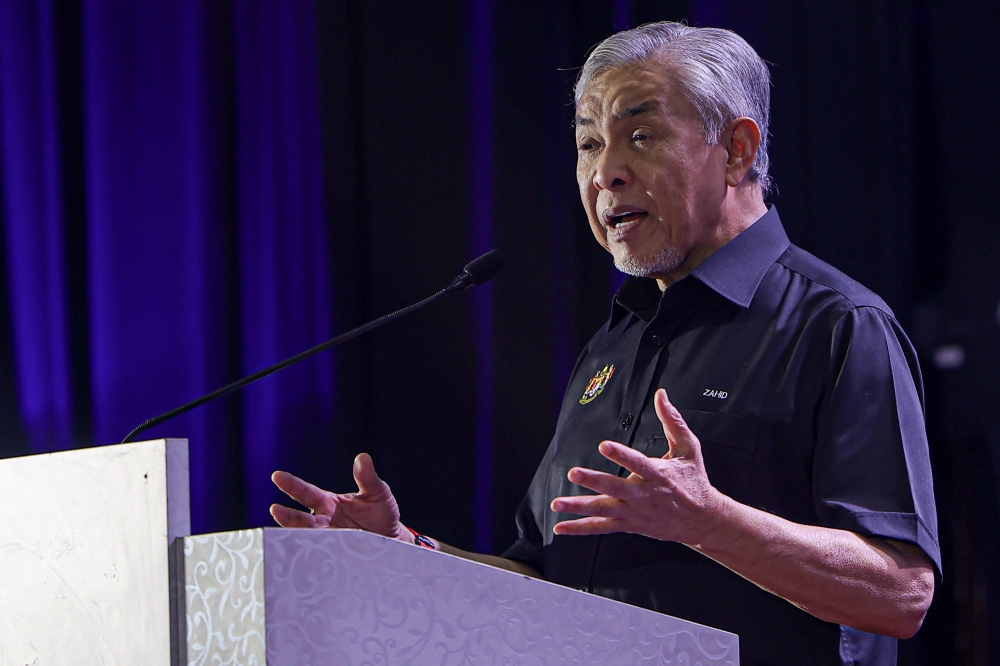
Deputy Prime Minister Datuk Seri Ahmad Zahid Hamidi has made fresh allegations about pressure placed on civil service personnel regarding their participation in Barisan Nasional-linked activities during state election campaigns, a claim that touches on fundamental principles of political neutrality within Malaysia's public administration.
Zahid's assertion centres on what he describes as coercive tactics directed at government ministry officers to ensure their attendance at BN-affiliated events held throughout the election period. The allegation, made in Putrajaya, suggests a systemic issue potentially affecting multiple departments and levels of the civil service. Such concerns carry significant weight given the traditional expectation that civil servants maintain political neutrality and avoid partisan entanglements that could compromise their professional integrity or create conflicts of interest.
The Deputy Prime Minister's comments emerge within a broader context of electoral administration and governance standards in Malaysia. During election campaigns, the line between legitimate political campaigning and improper use of state machinery has long been a contentious issue in Malaysian politics. Questions surrounding the appropriate boundaries of civil servant participation in political activities have periodically surfaced across different electoral cycles, reflecting ongoing tensions between political party operations and bureaucratic independence.
Zahid's remarks carry particular significance given his prominent position within the governing coalition. As the BN's de facto leader and a senior government figure, his willingness to publicly acknowledge such allegations demonstrates either genuine concern about internal party conduct or an attempt to address perceptions of irregularity that could damage coalition credibility. The timing and framing of these allegations merit careful examination within the context of broader political dynamics and any concurrent discussions about election management practices.
The allegation about officer pressure raises important questions about administrative accountability and the mechanisms that should exist to protect civil servants from political interference. Malaysia's public service operates under established codes of conduct intended to preserve political impartiality, yet instances of tension between these principles and partisan demands have occasionally emerged. Understanding whether such incidents represent isolated cases or broader patterns remains crucial for assessing the health of institutional governance.
From a regional perspective, Malaysia's approach to maintaining civil service neutrality carries implications for Southeast Asia's democratic institutions. As a major economy and established democracy in the region, Malaysian governance standards influence neighbouring countries' institutional development. Concerns about appropriate boundaries between political activity and state machinery resonate across the region, where several nations grapple with similar challenges regarding bureaucratic independence and political party operations.
The specific mechanism of alleged pressure warrants investigation. Whether such pressure took the form of explicit directives, subtle coercion, or implicit expectations significantly affects the severity of the alleged breach and potential remedial actions required. Civil service guidelines must be sufficiently clear to prevent ambiguity about what constitutes acceptable participation in political functions while maintaining necessary flexibility for government operations.
Zahid's disclosure potentially opens wider discussions about election-related governance practices beyond the immediate campaign period. Officials' involvement in pre-election activities, fundraising support, and logistical coordination for political events remain contentious issues internationally, and Malaysia is no exception. Distinguishing between permissible administrative support and inappropriate political mobilisation requires careful definitional work that satisfies both democratic principles and practical governance needs.
The allegation also touches on broader civil service morale and workplace dynamics. Employees feeling pressured regarding political participation may experience stress affecting workplace relationships and professional environments. Creating safe mechanisms for civil servants to decline unwanted political participation, without jeopardising their career prospects or workplace standing, represents an important institutional safeguard that may warrant review or reinforcement.
Moving forward, Zahid's comments invite scrutiny of existing oversight mechanisms and enforcement of civil service regulations. Whether current institutions adequately monitor and prevent inappropriate pressure on government employees requires examination. Strengthening complaint procedures, whistleblower protections, and investigation processes could help ensure that civil servants maintain appropriate professional boundaries while fulfilling legitimate governmental functions.
The broader implication involves rebuilding public confidence in institutional neutrality and administrative integrity. Allegations about pressure on civil servants, whether widespread or isolated, generate concerns about institutional independence that extend beyond the specific electoral context. Transparent investigation and remedial action could demonstrate commitment to maintaining professional standards while addressing any systemic issues that may exist.
Malaysian governance observers will likely scrutinise whether Zahid's allegations prompt formal investigations, policy adjustments, or institutional reforms. The response from relevant authorities and broader political actors will influence perceptions of whether such concerns receive serious attention or represent mere political positioning. Either way, the allegation highlights ongoing tensions in managing the relationship between political parties and civil service that warrant continued institutional attention.

