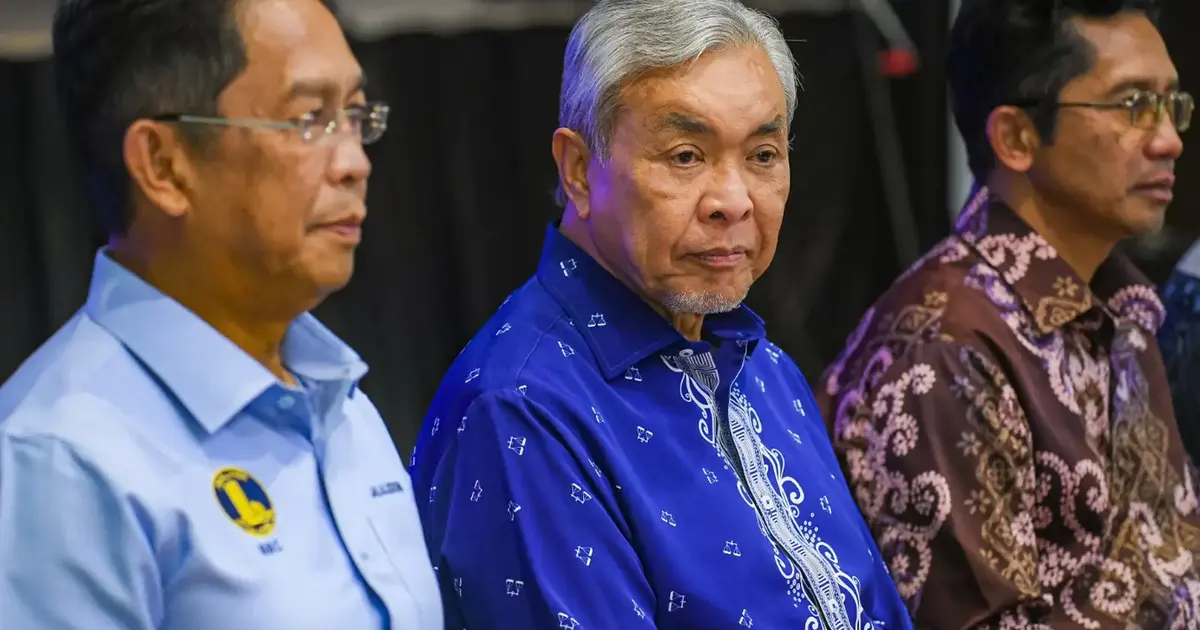
Barisan Nasional chairman Zahid Hamidi has publicly called for authorities to investigate allegations of electoral fraud in Negeri Sembilan, signalling the coalition's determination to address misconduct that could undermine public confidence in the electoral process. The demand comes as formal complaints have already been filed with law enforcement agencies, complete with corroborating evidence and accounts from individuals with direct knowledge of the alleged incidents.
The emergence of vote-buying claims in the state reflects broader concerns about electoral integrity that periodically surface across Malaysia's political landscape. Such allegations, if substantiated, represent a serious breach of the electoral code and democratic principles that underpin the nation's constitutional framework. The fact that Zahid has chosen to publicly champion this investigation suggests the BN is positioning itself as a guardian of electoral standards, a posture that carries significant implications for the coalition's credibility ahead of future electoral contests.
Vote-buying, or the inducement of voters through material incentives or promises of benefit, strikes at the heart of democratic representation. When electors are swayed by financial considerations rather than policy platforms and leadership credentials, the resulting mandate lacks legitimacy and mandates fail to reflect genuine public preference. In the Malaysian context, where state elections in Negeri Sembilan carry symbolic weight and influence the broader political narrative, such malpractices demand swift and transparent resolution.
The role of witness statements in these allegations cannot be understated. The involvement of individuals willing to provide testimony, often at personal risk, demonstrates that concerns about electoral propriety run sufficiently deep for people to come forward. The accumulation of evidence alongside these statements suggests investigators have material beyond mere hearsay to examine, lending credibility to the claims and justifying the urgency of Zahid's call for action.
Negeri Sembilan's significance within Malaysia's political architecture extends beyond its parliamentary seats and state assembly positions. The state serves as a proving ground for political strategies and messaging, with electoral outcomes frequently interpreted as barometers of national sentiment. Any taint on the integrity of the electoral process in the state thus carries repercussions for the broader political ecosystem, making the investigation's outcome a matter of national importance.
The involvement of law enforcement in formal investigations introduces an element of institutional accountability to proceedings that might otherwise remain within party-political circles. Police investigations, while sometimes subject to external scrutiny regarding their impartiality, provide a mechanism for systematic evidence gathering and the potential prosecution of offenders. This procedural framework distinguishes serious investigations from mere political posturing, a distinction that appears relevant given Zahid's public intervention.
For BN specifically, navigating these allegations requires careful calibration. The coalition must demonstrate genuine commitment to investigating misconduct by its own members or supporters, lest it be perceived as selectively pursuing allegations against opponents. Conversely, aggressive investigation of claims involving rival coalitions without corresponding scrutiny of internal issues risks accusations of hypocrisy. The balance struck in responses to these allegations will shape BN's reputation for governance and ethical standards.
The broader Southeast Asian context adds another dimension to Malaysia's ongoing struggles with electoral integrity. Regional democracies frequently grapple with similar challenges around vote-buying, voter intimidation, and campaign finance transparency. Malaysia's handling of these allegations in Negeri Sembilan thus contributes to the region's collective experience with maintaining democratic standards in increasingly complex political environments.
Police investigations into electoral misconduct typically involve painstaking verification of witness accounts, examination of financial transactions, and reconstruction of events that may have occurred across multiple locations and timeframes. The evidentiary threshold for proving vote-buying remains high in many jurisdictions, requiring demonstration not merely of money changing hands but of the explicit quid pro quo arrangement. These technical challenges mean that even well-documented allegations may not always result in prosecutions, a reality that underscores the importance of transparent communication about investigative progress.
The public nature of Zahid's call for investigation serves multiple functions simultaneously. It demonstrates BN's purported commitment to electoral integrity while simultaneously placing pressure on law enforcement to prioritise the matter. It also signals to potential violators that the coalition is monitoring for such misconduct, potentially serving as a deterrent for future offences. However, such public interventions also risk appearing to influence independent investigations, a dynamic that investigations must navigate carefully to maintain public trust in their objectivity.
Moving forward, the resolution of these allegations will carry implications for Negeri Sembilan's political trajectory and for BN's positioning heading into upcoming electoral contests. Should investigations substantiate claims and result in meaningful consequences for offenders, public confidence in electoral processes may be reinforced. Conversely, inconclusive outcomes or perceived whitewashing could deepen cynicism about political accountability, undermining the legitimacy that all democratic institutions require to function effectively.

