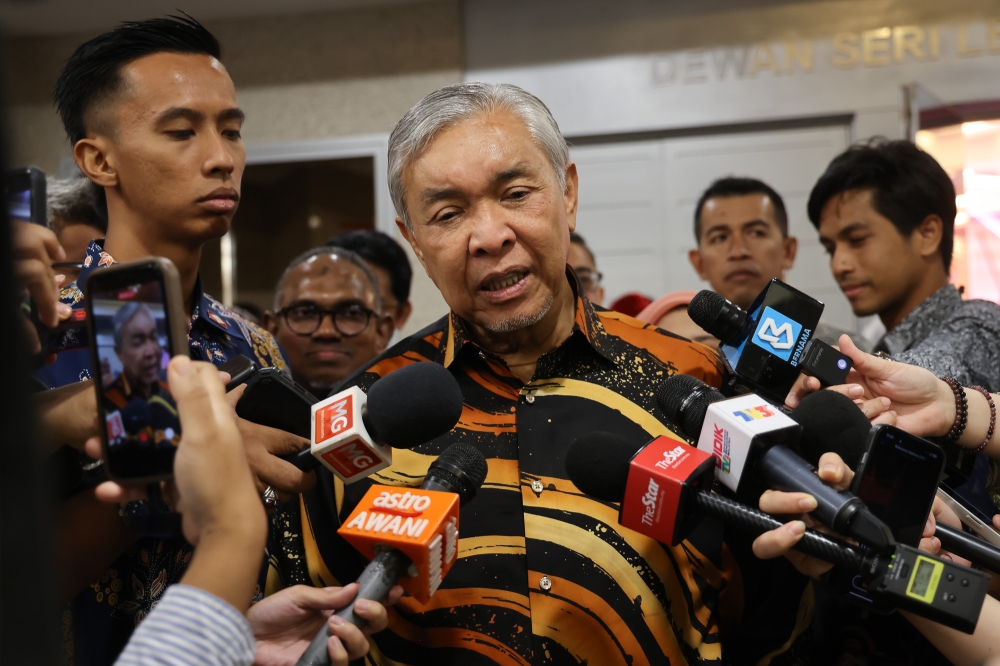
Deputy Prime Minister Datuk Seri Zahid Hamidi has signalled an uncompromising stance toward those implicated in mismanagement at Tabung Haji, warning that Barisan Nasional and Umno will not countenance any failure in governance or breach of fiduciary duty at the Islamic pilgrimage savings fund. Speaking in Putrajaya on August 6, Zahid emphasised that accountability must follow any wrongdoing within the organisation, reinforcing the coalition's commitment to transparency and proper financial stewardship.
Tabung Haji, one of Malaysia's most significant faith-based institutions, has faced mounting scrutiny over its financial health and operational decisions in recent years. The fund serves millions of Malaysian Muslims who save through its scheme to finance their Hajj pilgrimage to Mecca, making its integrity crucial to public confidence in Islamic financial institutions domestically. Any mismanagement within the organisation carries implications far beyond routine corporate governance, touching on religious trust and the savings of ordinary Malaysians.
Zahid's emphatic statement reflects broader political pressure on the government to demonstrate that it takes financial oversight seriously across state-linked entities. The pledge to hold individuals accountable aligns with Barisan Nasional's positioning as a coalition committed to good governance and anti-corruption principles, particularly important given the political challenges the coalition has faced over governance issues in previous years. By publicly committing to consequences, Zahid signals that no senior figure or official will receive protection based on political connections or seniority.
The Tabung Haji situation has attracted attention from various quarters, including civil society groups and opposition politicians who have questioned the fund's investment strategies and management decisions. These concerns have periodically surfaced in parliamentary debates and public discourse, with observers questioning whether the institution has operated with sufficient transparency and whether its leadership has made decisions genuinely in the interest of contributors. Zahid's statement appears designed to address these mounting questions by demonstrating governmental resolve.
For Malaysian Muslims who have contributed to Tabung Haji over decades, the organisation represents not merely a savings vehicle but a trust relationship rooted in religious obligation. Any perception that funds have been misappropriated or mismanaged creates anxieties that extend beyond financial returns to fundamental questions about institutional reliability. The Deputy Prime Minister's emphasis on consequences aims to rebuild or reinforce this trust by signalling that breaches will not go unpunished regardless of the perpetrator's standing.
Umno's specific mention in Zahid's statement carries additional weight given the party's historical relationship with Tabung Haji and its influence over the organisation's governance. By publicly committing the party to accountability standards, Zahid establishes clear expectations within Umno's own circles and among party members who may hold positions at the fund or related organisations. This represents a test of whether such high-level declarations translate into concrete action when investigations reveal wrongdoing.
The broader Southeast Asian context matters too, as Malaysia's major Islamic institutions serve as models and reference points for Islamic finance across the region. How Tabung Haji handles governance challenges and accountability affects perceptions of Islamic financial institutions throughout Southeast Asia. Countries like Indonesia, Brunei, and Singapore monitor how Malaysia manages its Islamic institutions, and any successful resolution of governance issues strengthens the credibility of Islamic finance throughout the region.
Zahid's position also reflects the government's need to demonstrate effective oversight of state-linked enterprises, a recurring challenge for Malaysian administrations. Tabung Haji represents one of many government-linked institutions requiring robust governance frameworks and credible enforcement of accountability measures. The Deputy Prime Minister's unambiguous language suggests the administration recognises that vague commitments to better management no longer satisfy public expectations.
The immediate question now centres on implementation. How will authorities identify those responsible for any mismanagement, and through what mechanisms will they face consequences? Whether consequences involve prosecution, dismissal, financial penalties, or other measures remains unclear from Zahid's statement. The credibility of his pledge will ultimately depend on whether visible enforcement follows any investigations that reveal wrongdoing.
For Malaysian pilgrims and their families, these developments offer reassurance that institutional safeguards remain a priority for government leadership. However, the true measure of Barisan Nasional's commitment will emerge through subsequent actions—whether investigations proceed transparently, findings are made public, and those found culpable face proportionate consequences. Political statements alone, however strong their language, cannot restore confidence in financial institutions; only consistent demonstrated accountability can achieve that outcome.

