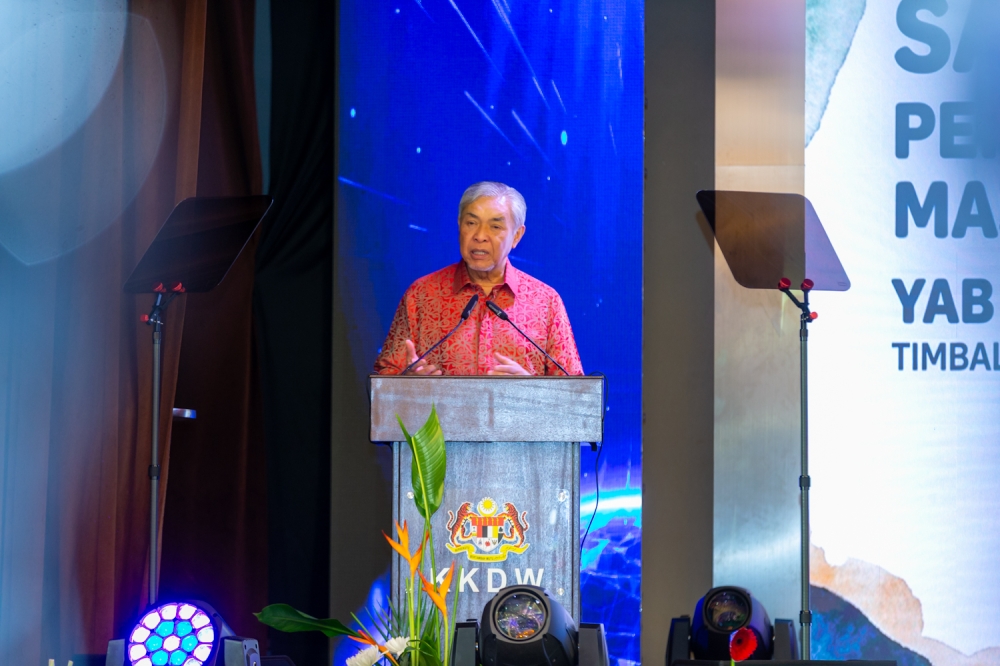
Deputy Prime Minister Datuk Seri Ahmad Zahid Hamidi has publicly dismissed speculation regarding alleged meetings between senior figures from Barisan Nasional, Perikatan Nasional, GPS, and GRS, using the occasion to reinforce his dedication to Malaysia's existing unity government framework. The dismissal comes as various online rumours and unverified claims have circulated suggesting behind-the-scenes discussions aimed at restructuring the nation's political coalitions, a narrative Zahid has characterised as baseless.
The Deputy PM's response underscores a broader pattern of reassurance from government officials whenever coalition stability faces public questioning. In Malaysian politics, where coalition arrangements have historically proven fragile and subject to frequent realignment, such denials serve as important signals to both domestic observers and international stakeholders regarding the administration's operational cohesion. Zahid's intervention suggests that leadership remains alert to potential fractures within the multiparty alliance that currently governs the country.
Zahid's reaffirmation of support for the unity government addresses persistent anxieties among political observers about the durability of Malaysia's current power-sharing arrangement. The unity government, which incorporates multiple political parties and coalitions, has faced periodic testing since its formation, with various factions occasionally signalling discontent over ministerial positions, policy direction, or resource allocation. By explicitly stating his commitment, Zahid attempts to project certainty and stability at a moment when such reassurance may have been deemed necessary.
The timing of these denials reflects the delicate balance required in managing multi-coalition governments. Political formations like those comprising Barisan Nasional, Perikatan Nasional, GPS, and GRS represent distinct regional and ideological interests. Barisan Nasional, historically Malaysia's dominant coalition, includes multiple component parties such as UMNO. Perikatan Nasional encompasses parties with different organisational bases. GPS represents East Malaysian interests, particularly in Sarawak, whilst GRS similarly anchors governance in Sabah. Maintaining alignment across these disparate entities demands constant attention and political management.
Such coalitional arrangements carry inherent tensions that periodically surface in Malaysian politics. Component parties within any broader alliance frequently harbour different policy preferences, compete for ministerial appointments, and possess varying support bases among voters. When rumours of realignment emerge, they typically reflect underlying anxieties about representation, influence distribution, or future electoral prospects. Zahid's dismissal attempts to contain such speculation before it gains sufficient momentum to destabilise working relationships between coalition partners.
For Southeast Asian observers, Malaysia's coalition dynamics hold broader significance. The region contains numerous multiparty democracies where coalition building shapes governance and stability. Malaysia's experience of managing complex coalition arrangements offers both cautionary tales and practical lessons. The unity government model represents an attempt to transcend traditional two-bloc politics that characterised Malaysian governance during earlier periods, substituting instead an encompassing arrangement that seeks to incorporate broader political representation.
The Deputy PM's position also reflects calculations about international investor confidence and institutional credibility. Perceptions of governmental instability can influence foreign direct investment decisions, currency valuations, and credit ratings. Zahid's reaffirmation serves partly to signal continuity and reliability to external stakeholders who monitor Malaysian governance structures. Such considerations frequently motivate political leaders to publicly emphasise coalition coherence, even when navigating significant internal disagreements.
Zahid's comments illustrate how senior government figures utilise public statements as instruments for managing political expectations and preventing rumour from crystallising into actual defection or realignment. By dismissing the claims whilst simultaneously reaffirming commitment to the unity framework, he attempts to construct a narrative of stability and forward momentum. This rhetorical strategy aims to discourage junior politicians or dissatisfied factions from interpreting vague speculation as indication that fundamental structural change is imminent or acceptable.
The broader political context matters considerably for understanding these dynamics. Malaysia approaches electoral cycles and demographic shifts that will influence coalition viability and electoral calculations. Component parties within the unity government maintain distinct electoral bases and must periodically demonstrate their continued relevance to supporters. Rumours of coalition restructuring often intensify when constituent parties worry about electoral prospects or perceive unfavourable policy directions from coalition leadership.
Zahid's intervention also acknowledges the role of digital communication in amplifying political speculation. Viral claims, regardless of veracity, can shape perceptions and create pressure on political leaders to respond. The Deputy PM's willingness to publicly address unverified claims suggests awareness that silence might be misinterpreted as tacit acknowledgement. Managing information environments and political narratives has become integral to maintaining coalition stability in contemporary Malaysia.
Looking forward, the sustainability of Malaysia's unity government depends substantially on whether coalition partners perceive adequate representation and policy influence. Zahid's statements provide temporary reassurance but cannot address structural tensions indefinitely. The arrangement's durability ultimately rests upon whether constituent parties believe that continued participation better serves their interests than pursuing alternative alignments. Periodic reaffirmations of commitment, whilst valuable, must be accompanied by substantive resource distribution and policy accommodation.
The episode demonstrates how Malaysian political leadership navigates perpetual tensions inherent in multiparty governance. These systems require constant communication, negotiation, and public affirmation of shared purpose. Zahid's comments represent routine maintenance of political relationships rather than definitive resolution of underlying coalition dynamics. Observers of Malaysian politics should anticipate continued rumours and occasional denial cycles as normal features of how the unity government manages its inherent complexities and competing interests.

