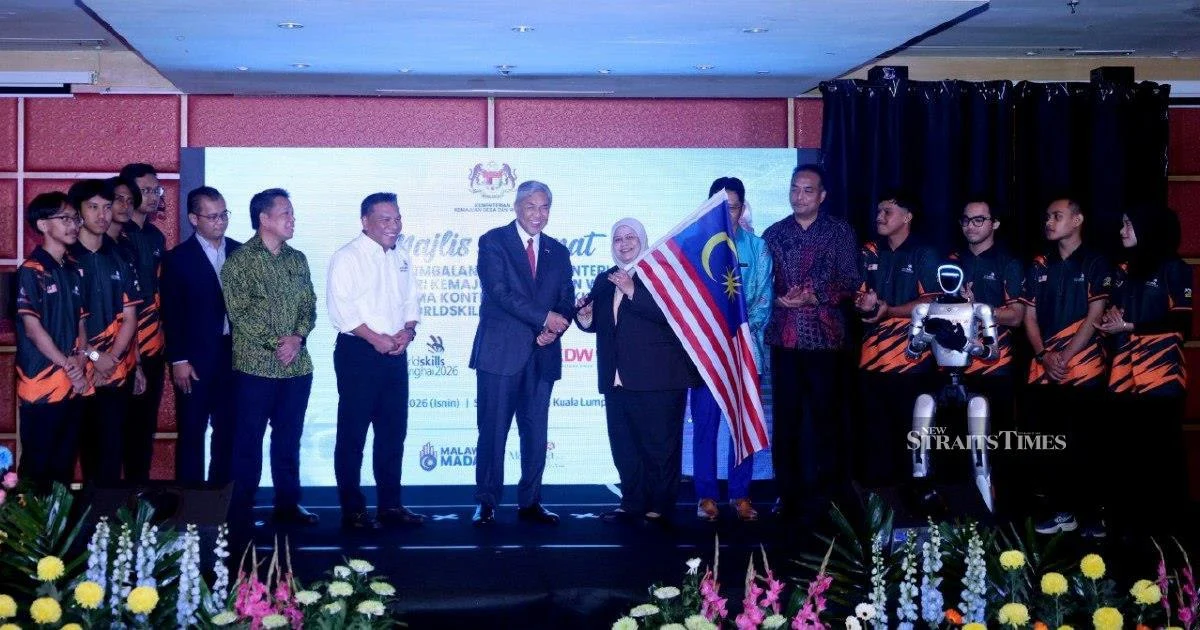
Deputy Prime Minister Datuk Seri Dr Ahmad Zahid Hamidi has signalled his intention to hold discussions with Housing and Local Government Minister Nga Kor Ming regarding comments the minister made about tendering his resignation, contingent on whether Barisan Nasional would achieve substantial gains in the recent Johor state election. The development comes as coalition politics within BN's component parties continue to draw public attention following the electoral outcome in the southern state.
Nga Kor Ming, who leads the Malaysian Chinese Association (MCA), had previously made a public statement suggesting he would step down from his ministerial position should Barisan Nasional secure what he characterised as a major or decisive victory in Johor. The conditional resignation pledge appeared designed to inject accountability messaging into campaign discourse, yet it now requires clarification given the actual electoral results and the broader coalition dynamics at play within the government.
The proposed meeting between Malaysia's second-highest ranking official and a senior cabinet minister underscores the delicate balance required when coordinating messaging and commitments across BN's diverse membership. The coalition, which traditionally represents Malay-Muslim, Chinese, and Indian communities through its principal components UMNO, MCA, and MIC respectively, depends heavily on inter-party negotiation to maintain cohesion. Any public statements from senior figures that appear to create unilateral conditions or challenge existing power arrangements can generate internal friction that requires resolution at higher levels.
Zahid's willingness to engage Nga directly suggests the issue warrants structured dialogue rather than dismissal. In Malaysian political practice, such meetings typically serve multiple purposes: clarifying intentions, managing public perception, and reinforcing hierarchical relationships within the administration. The timing of the announcement itself demonstrates how the government seeks to address potentially divisive matters before they escalate into broader coalition tensions that could undermine cabinet stability.
For MCA specifically, the party has long balanced its representation of Malaysian Chinese interests with loyalty to the broader BN framework. The Housing and Local Government portfolio held by Nga carries significance beyond its administrative scope, as it symbolises MCA's continued relevance in federal governance. Any uncertainty about ministerial tenure therefore touches on the party's internal standing and its ability to deliver benefits to constituencies that support it.
The Johor election results, which delivered success for Barisan Nasional after years of electoral challenges, created a political environment where coalition members sought to demonstrate their individual contributions to the victory. Nga's earlier conditional resignation remark, viewed charitably, could be interpreted as confidence in BN's prospects and willingness to be held accountable by voters. Viewed more critically, it risked appearing as a challenge to the existing power structure or an attempt to stake claims based on electoral performance.
Zahid's prominence as Deputy Prime Minister and his role within UMNO's leadership hierarchy position him as an appropriate mediator for such matters. His engagement with Nga signals that the government takes inter-party communications seriously and seeks to resolve issues through diplomatic channels rather than allowing public disagreements to fester. This approach reflects lessons learnt from previous coalition crises when unmanaged tensions spiralled into open conflicts that damaged BN's cohesion.
The broader context matters for Malaysian observers and regional watchers of Southeast Asian politics. Barisan Nasional's electoral recovery in Johor came after difficult years when component parties questioned their coalition strategy and some members explored alternative political arrangements. Successfully managing internal dynamics following an electoral success becomes crucial for consolidating gains and preventing triumphalism by any single party from destabilising the coalition's equilibrium.
For the housing ministry specifically, continuity of leadership provides administrative benefits as the government pursues various development and infrastructure agendas. Malaysia's urbanisation challenges, housing affordability issues, and local government reform initiatives require sustained ministerial attention and expertise. Any disruption at this level could delay important policy implementation at a time when the government has reasserted its electoral mandate.
The MCA, which has historically struggled to remain relevant in Malaysian politics as demographic and voting pattern changes have reshuffled the coalition's internal balance, likely views Nga's ministerial position as important for demonstrating the party's continued utility to BN and its capacity to deliver federal appointments to communities it represents. The party has experienced periods of internal strife and debate about its coalition future, making leadership stability and visible ministerial roles significant for organisational morale and member retention.
Zahid's planned meeting with Nga therefore represents more than a routine administrative discussion. It serves as a mechanism for reaffirming coalition norms, clarifying ambitions and commitments, and preventing individual political positioning from undermining the collective framework that BN requires for effective governance. The meeting's outcome will likely shape perceptions of how the coalition manages success and whether it can maintain the internal discipline necessary to sustain its recent electoral momentum.
As Malaysian politics continues to evolve with shifting party dynamics and voter preferences, the capacity of coalition frameworks like Barisan Nasional to absorb internal disagreements while maintaining functional governance remains crucial. The Zahid-Nga discussion exemplifies how senior leaders navigate these tensions through structured engagement, ensuring that electoral victories translate into sustained political advantage rather than becoming catalysts for internal conflict that ultimately benefits opposition forces seeking to exploit coalition weaknesses.

