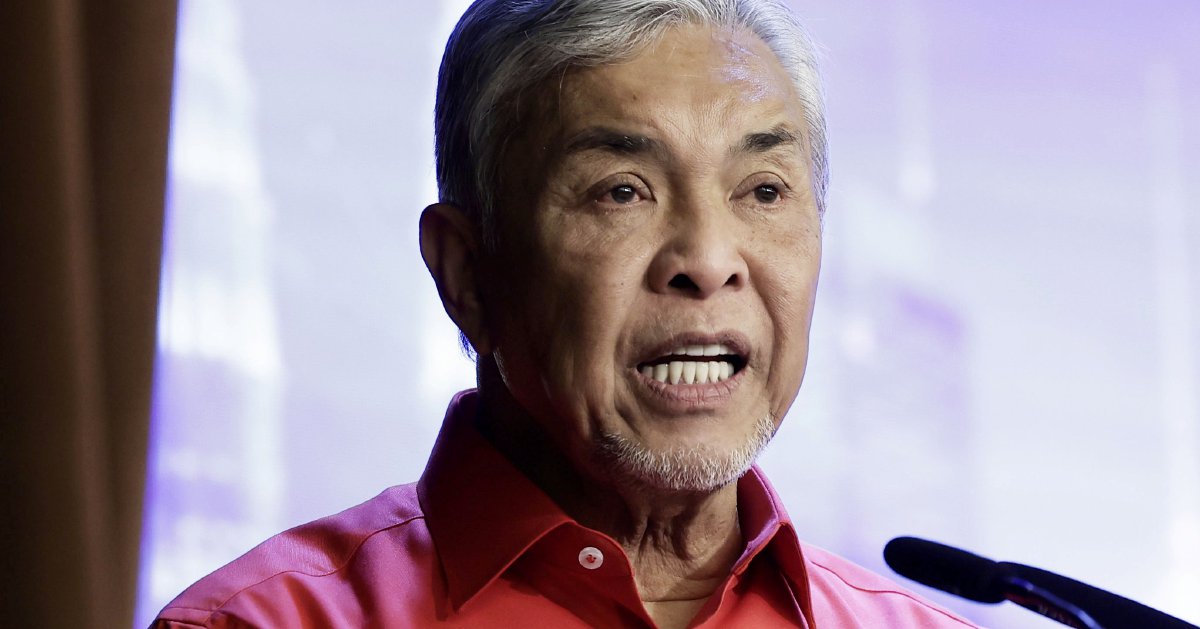
Deputy Prime Minister Datuk Seri Dr Ahmad Zahid Hamidi has stepped into the ongoing debate surrounding Lembaga Tabung Haji (TH) by making a direct appeal for restraint in public discourse. Rather than allowing unverified claims to circulate unchecked, he has urged all parties to cease spreading allegations that lack factual grounding, stressing the importance of distinguishing between perception and verifiable reality when discussing the institution.
The call represents an attempt to elevate the conversation around TH beyond what the Deputy Prime Minister characterises as unfounded assertions. The institution, which functions as a dedicated savings and investment vehicle for Malaysian Muslims intending to perform the hajj pilgrimage, has occasionally found itself at the centre of public scrutiny. Zahid's intervention suggests concern that the accumulated effect of unverified claims may be eroding public confidence in the organisation without corresponding evidence to support such doubts.
Tabung Haji has historically occupied a significant place in Malaysia's financial and social landscape. As the world's largest Islamic pilgrimage savings institution, it serves hundreds of thousands of account holders who contribute regularly to set aside funds for one of Islam's five pillars. The organisation manages billions of ringgit entrusted by ordinary Malaysians, many of whom view their TH accounts as a crucial component of their hajj preparation strategy.
The Deputy Prime Minister's remarks carry particular weight given his position within the federal government. His direct engagement with this issue suggests that officials at the highest levels are paying attention to the narrative surrounding TH and view the prevalence of unsubstantiated claims as potentially damaging to public trust. The statement appears designed to establish a standard for responsible public commentary, implicitly calling on media outlets, social media users, and opinion leaders to verify information before circulating claims about the institution.
Public institutions in Malaysia, particularly those handling public funds or serving large constituencies, frequently face scrutiny from various quarters. However, the boundary between legitimate oversight and baseless rumour can sometimes become blurred, especially in the digital age where information spreads rapidly regardless of verification status. Zahid's call for facts-based discussion aligns with broader concerns about misinformation and the responsibility of public figures to distinguish between evidence-grounded criticism and mere speculation.
For Malaysian Muslims planning their hajj journey, the reputation and perceived stability of Tabung Haji remains paramount. Many families depend on the institution's reliability to help them fulfil a deeply personal religious obligation. When unsubstantiated allegations circulate, they can create unnecessary anxiety among account holders who may question whether their accumulated savings remain secure. This psychological impact, irrespective of whether the underlying allegations contain merit, can affect individuals' financial planning and religious aspirations.
The organisation's management structure and investment strategies have periodically drawn attention from financial analysts and media commentators. Like any large financial institution, TH must balance growth objectives with prudent risk management while maintaining transparency with stakeholders. However, distinguishing between informed criticism based on publicly available financial data and speculation presented as fact represents a critical challenge in public discourse around institutional governance.
Zahid's intervention also comes at a time when Malaysian public institutions face increasing scrutiny regarding transparency, accountability, and financial stewardship. Rather than dismissing all concerns about TH as merely perceptual, his statement acknowledges that legitimate questions about institutional performance deserve evidence-based examination. The distinction matters: institutions should welcome informed scrutiny while simultaneously countering baseless allegations that have no empirical foundation.
For the broader Malaysian audience, particularly those without direct experience with Tabung Haji's operations, the Deputy Prime Minister's statement serves as a reminder to exercise discernment when encountering claims about public institutions. In an information landscape crowded with competing narratives and occasional deliberate misinformation, consumers of news bear some responsibility for distinguishing between credible reporting and unverified allegations. Zahid's call essentially asks the public to adopt a higher standard of evidence before accepting or amplifying claims.
The timing of this statement suggests ongoing attention from senior government figures to TH's public standing. Rather than allowing negative perceptions to accumulate without response, officials are actively defending the institution against what they characterise as unfounded commentary. This proactive approach reflects recognition that institutional reputation, once damaged by widespread negative perception, proves difficult to rehabilitate even if the underlying allegations prove baseless.
Moving forward, the Deputy Prime Minister's remarks implicitly call on multiple stakeholders—the institution itself, media organisations, regulators, and the public—to participate in more disciplined discourse. For TH management, this may necessitate enhanced communication and transparency efforts to counter misinformation with factual information. For journalists and commentators, it emphasises the obligation to verify claims before publication. For the public, it encourages critical evaluation of sources and evidence before accepting allegations as true.

