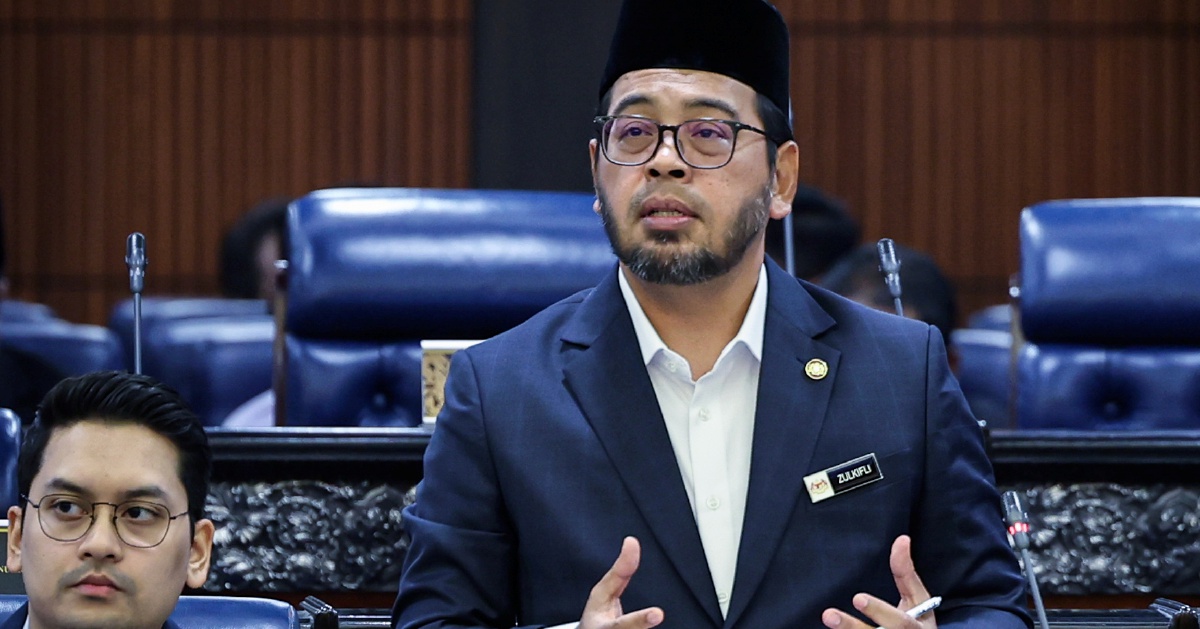
Zulkifli Aziz has intensified scrutiny over the lengthy suppression of a Royal Commission of Inquiry report into Lembaga Tabung Haji, demanding that former Prime Minister Datuk Seri Ismail Sabri Yaakob provide a substantive explanation for the near four-year withholding of the document.
The call represents a significant development in a controversy that has plagued Malaysia's pilgrimage fund management sector, as questions mount regarding why such a critical investigative report remained hidden from public view for an extended period. Lembaga Tabung Haji, which manages savings and investment accounts for Muslims intending to undertake the hajj pilgrimage, has faced multiple governance and financial challenges in recent years, making transparency around any official inquiry into its operations a matter of considerable public interest.
The Royal Commission of Inquiry into Lembaga Tabung Haji was established to investigate serious institutional and administrative issues at the organisation. Such bodies are tasked with delivering thorough, independent examinations of matters affecting public institutions and the welfare of ordinary Malaysians. When findings from such inquiries remain classified or unpublished, questions inevitably arise about whether governments are attempting to shield institutional failures or powerful individuals from public scrutiny.
Ismail Sabri served as Prime Minister from August 2021 until November 2022, a period during which the decision to withhold the RCI report appears to have been made or maintained. His administration's handling of the document raises broader questions about governmental openness and adherence to principles of accountability that democracies depend upon. The timing of Zulkifli's demand suggests renewed political pressure on the issue, possibly as new administrations prioritise transparency over legacy concerns.
For Malaysian savers who have entrusted substantial sums to Lembaga Tabung Haji, the delayed release of an official inquiry's findings represents a significant breach of their right to know how their investments are being managed. The hajj pilgrimage is a fundamental religious obligation for Muslims with means, and the fund's stewardship directly affects millions of account holders' life savings and religious aspirations. Public disclosure of RCI findings would enable account holders to understand whether their money has been properly safeguarded and managed according to Islamic financial principles.
The withholding of such reports sets a troubling precedent within Malaysia's administrative culture. When governments suppress inquiry findings, they implicitly suggest that institutional problems are better left hidden than confronted. This erodes public confidence in official institutions and creates an environment where accountability mechanisms lose their teeth. Zulkifli's intervention attempts to reverse this dynamic by placing the issue back in the political spotlight, where pressure can be brought to bear on those responsible.
The four-year delay is particularly striking given Malaysia's stated commitments to governance reform and institutional strengthening. Following years of political turbulence and concerns about institutional credibility, successive administrations have publicly pledged renewed dedication to transparency and good governance. Yet the persistence of the withheld RCI report contradicts these commitments, suggesting that selective disclosure and political convenience still trump systematic transparency in practice.
Politically, Zulkifli's demand positions him as an advocate for institutional accountability at a time when governance remains a contested political terrain in Malaysia. His willingness to challenge a former prime minister over this issue demonstrates that the matter retains political salience beyond the immediate circle of Lembaga Tabung Haji stakeholders. The call may also reflect broader demands from within Malaysia's political establishment for improved governance standards and reduced tolerance for institutional opacity.
The implications extend beyond Lembaga Tabung Haji itself. If government bodies routinely withhold investigative reports, the entire framework of accountability through royal commissions and independent inquiries becomes compromised. Such bodies exist precisely to provide governments with honest assessments of institutional problems, allowing for corrective action. When reports are suppressed rather than acted upon, the inquiry mechanism itself becomes merely performative.
Related concerns about governance at Lembaga Tabung Haji have surfaced repeatedly in recent years, including questions about investment decisions, administrative efficiency, and adherence to Islamic banking standards. The RCI was established to examine these issues comprehensively, and presumably delivered findings and recommendations. The withholding of such guidance deprives subsequent administrations of official guidance on necessary reforms, potentially prolonging institutional dysfunction.
Moving forward, the pressure generated by Zulkifli's intervention may force the current government to reconsider whether continued suppression of the report serves any legitimate purpose. Public release of the document—assuming it does not contain information that genuinely compromises national security or violates privacy protections—would answer fundamental questions about Lembaga Tabung Haji's governance and restore public trust. The choice to continue withholding it would require substantial justification and would further erode governmental credibility on transparency commitments.
The case ultimately reflects a tension between old habits of institutional secrecy and emerging expectations for openness in Malaysian governance. Zulkifli's demand represents an important assertion that former prime ministers remain answerable for their administrative decisions, and that the public's right to know about matters affecting national institutions cannot be indefinitely deferred by claims of executive privilege or bureaucratic routine.

