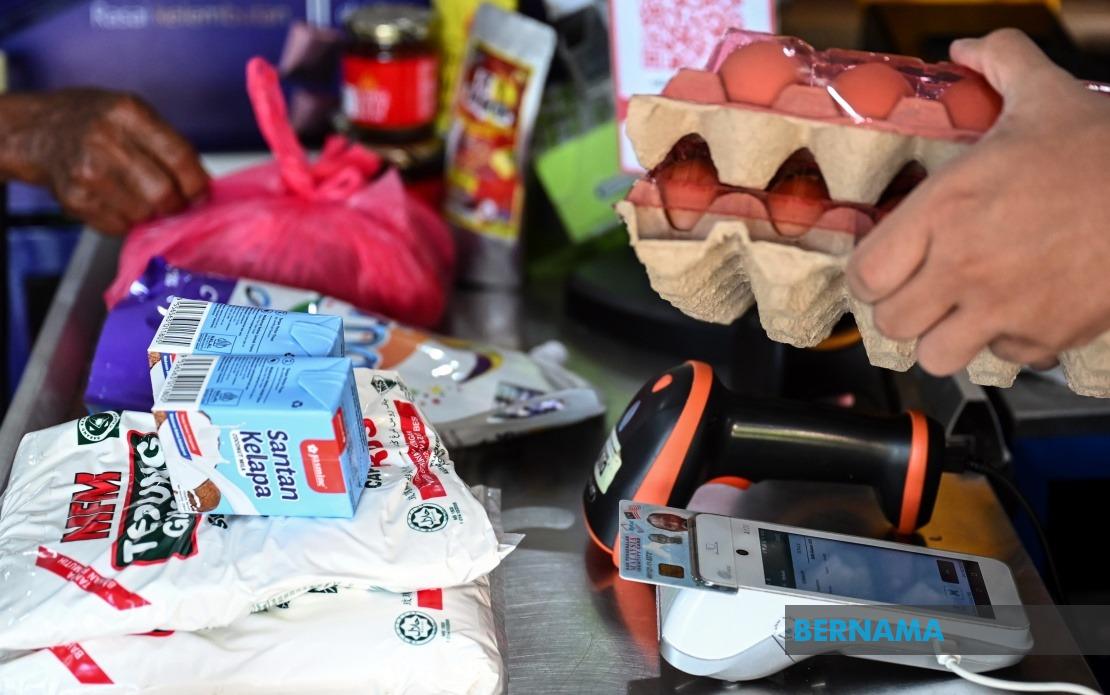
The Malaysian government has begun rolling out the third phase of its Sumbangan Tunai Rahmah (STR) cash assistance scheme, targeting 5.3 million recipients with an injection of RM1.2 billion into household finances. The initiative marks another significant milestone in the administration's commitment to providing regular financial support to vulnerable segments of the population, particularly as Malaysians continue grappling with elevated living costs. Phase 3 represents a substantial expansion from the programme's inception earlier in the year, when beneficiary numbers stood at five million recipients. The growth of 300,000 additional households reflects both improved targeting mechanisms and expanded eligibility criteria designed to capture more families struggling with economic pressures.
The composition of Phase 3 beneficiaries underscores the government's dual focus on household support and elderly welfare. Among the 5.3 million recipients, 3.9 million comprise low- and middle-income households—the demographic most vulnerable to inflationary pressures on essential goods and services. The remaining 1.4 million are single senior citizens, a recognition that pensioners and elderly individuals without family support networks face particular hardship in navigating contemporary price increases. This segmentation reflects a nuanced understanding of where assistance can generate the most meaningful impact on living standards across Malaysian society.
Payment amounts vary according to recipients' circumstances, recognising that different household compositions require tailored support levels. Those in low- and middle-income brackets receive between RM150 and RM600, with the precise amount determined by family income levels and the number of dependent children. This graduated approach ensures that families with greater financial responsibilities receive proportionally enhanced assistance. Single senior citizens, regardless of other factors, receive a fixed RM150 allocation, acknowledging their typically fixed income streams and reduced capacity to increase earnings through employment.
The cumulative impact of the three-phase disbursement cycle demonstrates the scale of the government's financial commitment to domestic welfare. Combined STR allocations across all three phases in 2026 total RM3.6 billion, representing a substantial commitment of public resources directed specifically toward alleviating household financial strain. When combined with the SARA basic assistance programme—which provides monthly support to qualifying households—eligible recipients stand to accumulate up to RM3,300 by August 2026. This aggregate figure excludes the one-off SARA payment extended to all Malaysian citizens aged 18 and above, indicating the comprehensive nature of the assistance ecosystem constructed this year.
The structural redesign of Malaysia's cash assistance architecture represents a deliberate shift toward more frequent, predictable support mechanisms. Prior to 2026, assistance payments were typically clustered into irregular distributions. The current model introduces quarterly STR payments alongside monthly SARA disbursements, creating a more stable income stream for recipient households. This regularisation enables better household budgeting and reduces the boom-and-bust cycles that irregular lump-sum payments create, theoretically improving the effectiveness of social safety net interventions by aligning assistance flows with actual consumption patterns.
Prime Minister Datuk Seri Anwar Ibrahim framed the expansion of assistance programmes within a broader economic strategy encompassing both immediate relief and structural reform. He acknowledged that persistent cost-of-living challenges continue to constrain household purchasing power and quality of life for substantial segments of the Malaysian population. However, he positioned cash assistance as a complementary measure rather than a comprehensive solution, emphasising that government efforts to strengthen macroeconomic fundamentals, implement governance reforms, and stimulate income growth represent the longer-term foundation for sustainable improvements in living standards. This rhetoric reflects recognition that direct transfers, while essential in the near term, cannot indefinitely substitute for wage growth and economic expansion.
The expansion of STR coverage from 3.7 million to 3.9 million households within a single year indicates either improved identification of eligible populations or deliberate policy decisions to broaden eligibility thresholds. Either scenario suggests the government views expansion of the safety net as a priority, potentially reflecting assessments that a larger proportion of the population faces genuine hardship. The 300,000 household increase represents approximately an eight percent expansion, a meaningful shift in programme scope that will absorb additional budget allocation without proportional growth in the recipient base.
Ministry officials attributed the government's capacity to expand assistance allocations to restructured public finance management and improved governance practices. These claims suggest that reallocation of resources from administrative inefficiencies or improved revenue collection has created fiscal space for enhanced welfare spending without requiring equivalent increases in taxation or debt issuance. The ability to fund substantially increased assistance programmes while maintaining macroeconomic stability depends heavily on the veracity of these assertions regarding improved fiscal discipline and resource mobilisation.
Total 2026 spending on STR and SARA programmes reaches RM15 billion—the highest annual welfare allocation in Malaysian federal budget history. The comparison to BR1M payments in 2016, which totalled approximately RM5 billion, demonstrates near-tripling of assistance spending within a decade. This escalation reflects both inflation affecting programme costs and genuine policy decisions to prioritise household support as a central government function. For Malaysian taxpayers and policymakers, this trajectory raises medium-term questions about the fiscal sustainability of such elevated welfare spending and the balance between immediate assistance and longer-term economic development investments.
Administrative mechanisms for Phase 3 distribution prioritise accessibility while managing programme integrity. Recipients maintaining bank accounts receive automatic direct transfers, streamlining the process and reducing administrative costs. Those without banking relationships can collect cash payments at any Bank Simpanan Nasional branch, ensuring geographic accessibility across urban and rural areas. The ministry simultaneously maintains open application and appeals processes year-round through the STR portal, attempting to minimise both programme leakage and legitimate exclusion of eligible households. This dual approach acknowledges that rigid annual application windows create genuine barriers for some populations while creating opportunities for fraudulent claims by others.
Security and fraud prevention remain central concerns in programme administration. The ministry issued explicit warnings against counterfeit portals and scam schemes targeting beneficiaries, directing recipients exclusively toward the official bantuantunai.hasil.gov.my portal for information and transactions. Such warnings reflect documented instances of fraud targeting welfare programmes across the region, where criminals exploit beneficiary populations' familiarity with government assistance to redirect payments or harvest personal information. The emphasis on official channels and published FAQs represents modest efforts to combat such schemes, though the effectiveness of such warnings depends on beneficiary digital literacy and access to secure communication channels.
For Malaysian citizens and policymakers, the Phase 3 rollout encapsulates both the government's commitment to immediate economic relief and ongoing questions about programme sustainability and economic strategy. The expansion to 5.3 million beneficiaries and RM15 billion annual allocation signals that cost-of-living pressures remain acute enough to warrant major policy priority. However, the concurrent emphasis on governance reform and economic strengthening suggests recognition that direct transfers represent a stopgap measure rather than fundamental solution to underlying structural economic challenges affecting household welfare across Malaysia.

