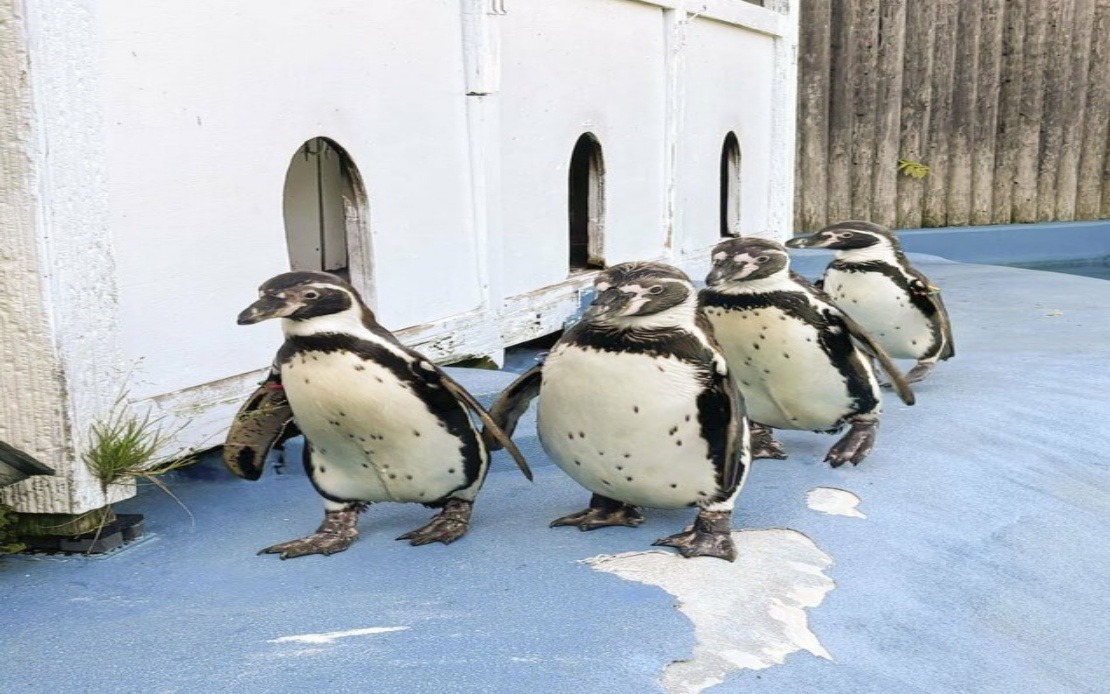
A zoo in Japan's northeast has lost its entire population of four Humboldt penguins to avian malaria, according to investigation results released on Friday. The birds, kept at Yagiyama Zoological Park in Sendai, died in succession last month after contracting the mosquito-borne illness. Iwate University, commissioned to determine the cause of death, confirmed the diagnosis following examination of the animals.
The tragedy unfolded with unusual speed and stealth. Beginning with a male penguin named Aramasa, all four birds perished between July 9 and 19. What made the outbreak particularly alarming to zoo personnel was the absence of warning signs. None of the penguins displayed any visible illness until the day immediately before each died, leaving caretakers with virtually no opportunity to intervene or seek treatment.
Avian malaria represents a significant threat to captive bird populations globally, yet remains virtually harmless to human health. While transmission occurs through mosquito vectors, the disease poses no contagion risk to visitors or staff at zoological facilities. However, the condition's unpredictable nature makes it especially dangerous in zoo settings. The illness can remain asymptomatic until it suddenly accelerates, progressing from no apparent symptoms to death in what may be a remarkably short timeframe. This rapid deterioration pattern meant zoo staff had no realistic chance of detecting infection early enough to provide medical intervention.
Humboldt penguins occupy a unique ecological niche among penguin species. Native to the Pacific coasts of Peru and Chile, these birds have evolved to thrive in warmer marine environments compared to their Antarctic and sub-Antarctic cousins. This adaptation to temperate climates makes them particularly suitable for captive breeding programs in developed nations, and they have become a popular exhibit species across Japanese zoological institutions. Their presence in zoos appeals to visitors while theoretically reducing stress from cold-climate housing requirements.
The facility has decided against immediately replacing the deceased birds. Zoo management recognizes that replenishing the population without addressing the underlying environmental vulnerabilities would invite another outbreak. Instead, the institution has committed to implementing a comprehensive prevention strategy before attempting to reestablish the penguin exhibit.
Central to the zoo's recovery plan is a complete redesign of the penguin enclosure infrastructure. Mosquitoes require standing water to breed, and the current facility's design inadvertently created breeding grounds through puddle formation. By eliminating these water accumulation points, the zoo aims to interrupt the disease vector's reproduction cycle and prevent future transmission to any birds housed in the space. This environmental engineering approach represents a more sustainable solution than relying on periodic pesticide application or other temporary interventions.
For Malaysian and Southeast Asian readers, this incident carries particular relevance. The tropical and subtropical climates of the region provide ideal breeding conditions for mosquito populations year-round, making avian malaria a persistent concern for any facility maintaining penguin collections. Singapore's zoos and other regional institutions housing similar species should take note of Sendai's experience. The case demonstrates that even in Japan's temperate zones with cooler winter months that typically suppress mosquito populations, avian malaria remains a substantial risk requiring careful management.
The Sendai incident also highlights the broader challenge facing zoological institutions in Asia and globally: maintaining healthy populations of animals adapted to radically different climates and ecosystems. While Humboldt penguins' warmth tolerance makes them more manageable than Antarctic species, they remain vulnerable to tropical and subtropical pathogens. Zoo operators across Southeast Asia must balance visitor engagement and conservation goals against the genuine health risks that arise when housing animals outside their native ranges.
The timeline of deaths occurring within a ten-day window suggests the mosquitoes may have infected multiple penguins simultaneously or in rapid succession, with the latency period allowing infection to progress before clinical manifestation. This clustering raises questions about the scale of the initial mosquito-borne transmission event and whether environmental conditions in July—potentially warmer and more humid—created particularly favorable conditions for vector activity and disease transmission.
Yagiyama Zoological Park's decision to prioritize prevention over rapid replacement reflects a maturing approach to zoo management in developed nations. The facility's commitment to redesigning the enclosure and implementing robust anti-mosquito measures before restocking demonstrates understanding that animal welfare extends beyond basic feeding and space provision. The zoo acknowledges responsibility for creating an environment where captive species can survive and thrive without constant threat from preventable diseases.
As regional zoos continue expanding their collections to include species from varied climates and geographic origins, the Sendai case serves as a cautionary tale. Comprehensive environmental audits identifying potential disease vector breeding sites should precede the introduction of any climate-sensitive species. For Malaysian institutions considering such exhibits, the Japanese experience underscores the necessity of investing in proper infrastructure and environmental controls from the outset, rather than discovering vulnerabilities through tragic loss.

