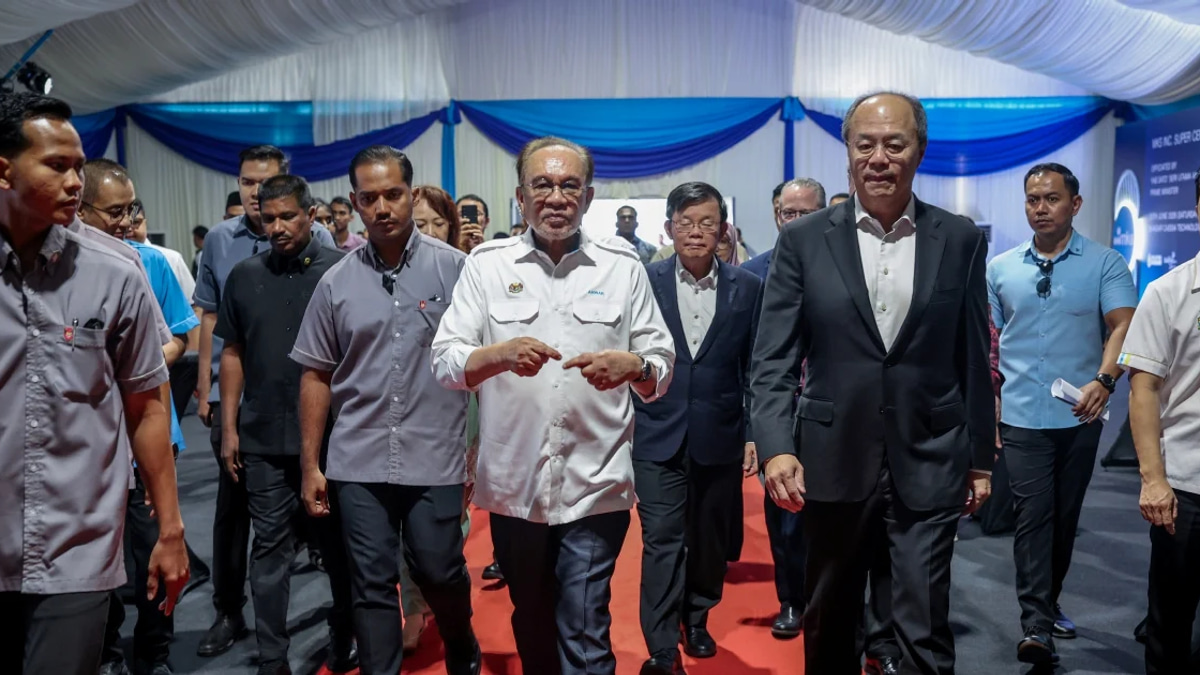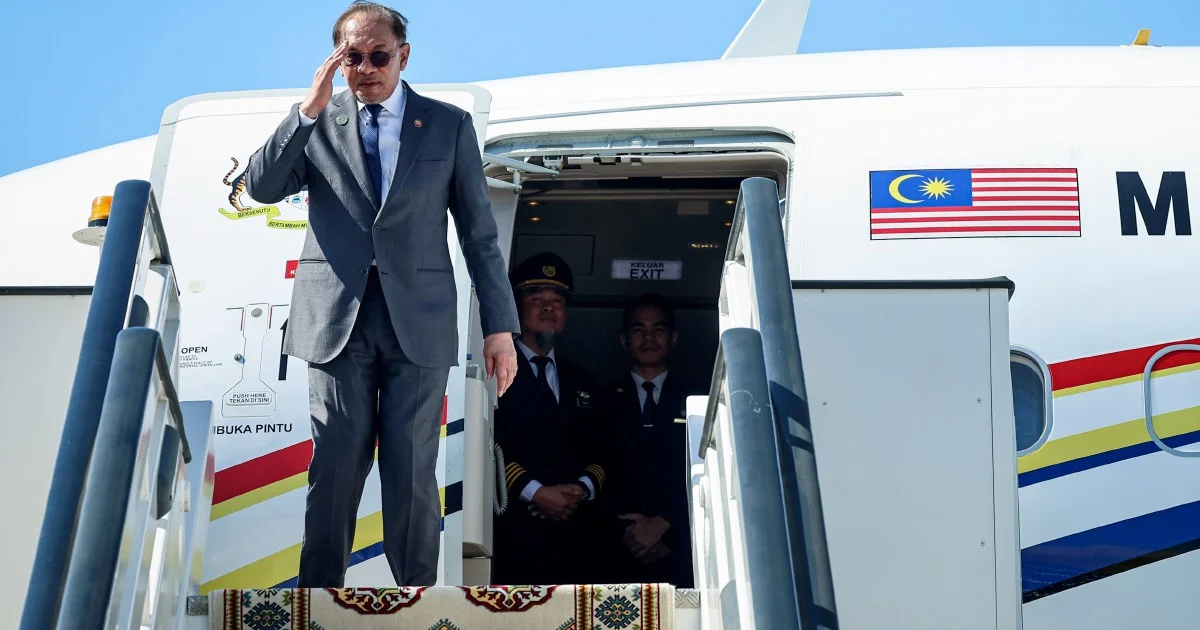
Prime Minister Datuk Seri Anwar Ibrahim has arrived in Penang fresh from concluding his official business in Turkmenistan, marking the next phase of his packed diplomatic and domestic agenda. The arrival underscores the government's commitment to maintaining momentum on multiple fronts—from international relations to domestic economic initiatives—with the premier personally leading key events that signal Malaysia's media landscape priorities and investment ambitions.
The most prominent engagement on Anwar's Penang itinerary is the grand finale of Hawana 2026, the annual National Journalists' Day celebration that represents one of Malaysia's key platforms for recognising media professionals and discussing press freedom. This event carries symbolic weight given the government's positioning on media relations and the importance of a functioning fourth estate in Malaysia's democratic framework. By attending in person, the Prime Minister is reinforcing the administration's support for journalism and underlining the significance the government places on professional media standards.
Hawana, celebrated each year, serves as a moment for Malaysia's media industry to reflect on its role in society, address contemporary challenges facing journalism, and honour journalists who have demonstrated excellence in their work. The 2026 edition, by virtue of its grand finale status, suggests substantial programming and potentially significant announcements related to the media sector. For Malaysian media practitioners, the PM's presence offers an opportunity to hear directly about government priorities regarding press operations, editorial independence, and the evolving media landscape.
Beyond the journalists' event, Anwar's Penang schedule encompasses several investment-focused activities that reflect the government's economic strategy. These gatherings typically involve dialogues with business leaders, investors, and stakeholders from key economic sectors. Penang, as one of Malaysia's major commercial and industrial hubs with a substantial manufacturing base and growing tech sector, frequently serves as a venue for such high-level economic engagements. The positioning of investment events alongside the Hawana programme suggests a coordinated effort to showcase Malaysia's institutional stability and economic potential to both domestic and international audiences.
The sequential timing of Anwar's Turkmenistan visit followed immediately by the Penang engagements illustrates the pace at which Malaysia's diplomatic and domestic agendas operate. Turkmenistan, while geographically distant and less frequently visited by Malaysian leaders, represents part of a broader diversification of Malaysia's international partnerships. The transition from Central Asian diplomatic work to these Penang-based domestic events demonstrates the government's intent to translate international engagement into tangible economic and institutional benefits for Malaysian constituencies.
For Penang specifically, the arrival of the Prime Minister for these multiple events signals continued central government attention to the state's development priorities and investment climate. The state, governed by Pakatan Harapan leadership, has been a focal point for various federal initiatives aimed at boosting innovation and attracting foreign investment. Anwar's physical presence at these events reinforces federal-state coordination on economic growth, particularly as Penang positions itself as a destination for semiconductor, digital technology, and advanced manufacturing ventures.
The Journalists' Day component of Anwar's visit also carries implications for Malaysia's international standing on press freedom metrics. International observers frequently assess countries' media environments based on government engagement with journalism institutions and the tone of official interactions with the press. By actively participating in Hawana's grand finale, the Prime Minister is sending a signal—domestically and internationally—about the government's stance toward media operations and professional journalistic practice.
Investment forums associated with Anwar's presence typically attract regional and international business delegations interested in exploring opportunities within Malaysia's economic zones and emerging sectors. These events function as platforms for government officials to outline policy frameworks, regulatory certainty, and sector-specific incentives designed to attract capital. The conjunction of the PM's participation with Penang's established reputation as an industrial and innovation centre creates a compelling proposition for prospective investors assessing Southeast Asian opportunities.
The immediate succession of Anwar's activities—moving from international diplomacy to domestic media and investment engagements—reflects contemporary governance demands where prime ministers must simultaneously manage foreign relations, demonstrate commitment to domestic stakeholders, and champion economic growth initiatives. The pace and breadth of these commitments illustrate the administrative intensity of leading a government navigating both regional strategic considerations and pressing domestic economic development objectives.